Month: September 2026

Signs Your Freezer Temperature Monitoring System Needs An Upgrade

A freezer temperature monitoring system is meant to protect stock, satisfy compliance, and reduce the stress of constant manual checks. When it starts missing issues, creating false alarms, or leaving gaps in records, it is no longer doing its job.

Below are clear, practical signs that a freezer temperature monitoring system needs an upgrade, with an Australian lens across food, hospitality, healthcare, and logistics.

Is their temperature data missing, patchy, or full of gaps?

Yes, and it is one of the most obvious signals their setup is past its prime. If logs show blank periods, dropouts overnight, or unexplained “flat lines”, the system is not reliably capturing what is happening inside the freezer.

In Australia, gaps can quickly become an audit headache, especially for organisations relying on documented cold chain controls. A modern freezer temperature monitoring system should store data locally if the network drops, then sync automatically when connectivity returns.
Signs Your Freezer Temperature Monitoring System Needs An Upgrade

Are they still relying on manual checks or clipboard records?

If staff are still doing multiple daily manual checks, it usually means their monitoring is not trusted or not automated. Manual checks also only capture a moment in time, not what happened between readings.

For venues in Sydney, Melbourne, Brisbane, Perth, and regional towns alike, staffing pressures make manual routines brittle. An upgraded freezer temperature monitoring system reduces labour and improves coverage by logging continuously and generating reports without extra admin.

Are alarms arriving too late to prevent stock loss?

If notifications arrive after product is already compromised, the system is functionally reactive, not preventative. Late alarms often come from slow polling intervals, poor signal strength, or alerts routed through outdated channels.

They should expect near real-time alerts via SMS, app push, and email with clear escalation. A robust freezer temperature monitoring system also needs alarm delays and rules that match real operations, such as brief door openings versus sustained temperature rises.

Do they get frequent false alarms that staff ignore?

When alerts are constant and mostly meaningless, staff develop alarm fatigue and stop responding quickly. False alarms can come from cheap sensors, poor placement, badly configured thresholds, or systems that cannot distinguish normal defrost cycles.

In Australian commercial kitchens and pharmacies, ignoring alarms can quickly become a serious risk. An upgraded freezer temperature monitoring system should support smarter alert logic, better sensor accuracy, and clearer root-cause visibility so alarms regain credibility.

Are sensors drifting or readings inconsistent across devices?

If one probe says -18°C while another says -12°C, it is not just annoying, it is dangerous. Sensor drift happens over time, and many older probes are not stable enough for critical cold storage.

They should look for calibration support, traceability, and simple workflows to document verification. A modern freezer temperature monitoring system should also make it easy to spot outliers across multiple freezers and locations.

Is remote access limited or impossible after hours?

If they can only view readings on-site, they are effectively blind outside business hours. Many temperature excursions happen overnight, on weekends, or during public holidays when nobody is standing in front of the display.

Organisations across Australia often run lean teams, so remote visibility matters. A cloud-connected freezer temperature monitoring system lets managers check status from anywhere and confirm whether an issue is real before driving in or calling a technician.

Are compliance reports hard to generate or easy to lose?

If reporting means exporting messy spreadsheets, taking photos of screens, or hunting for files, the system is creating risk. Records need to be legible, consistent, and quick to produce when an auditor asks.

Whether they operate under HACCP-aligned plans, aged care standards, or internal QA requirements, reporting should take minutes. A better freezer temperature monitoring system produces audit-ready reports with clear time stamps, min-max summaries, and alarm event histories.

Do they lack clear audit trails for alarm acknowledgements and actions?

If there is no record of who acknowledged an alert and what they did about it, the system cannot prove corrective action. That weakens internal accountability and makes compliance harder.

They should expect user-level logs showing acknowledgement times, comments, and actions taken. An upgraded freezer temperature monitoring system should support role-based access so only authorised staff can change thresholds or mute alarms.

Is the system unable to scale as their sites or storage needs grow?

If adding one more freezer requires a new base station, complex wiring, or expensive custom work, scalability is a problem. Growth can be gradual, such as adding a second cool room, or fast, such as expanding to multiple sites.

Australian operators with distributed storage, including medical centres, childcare providers, and 3PL warehouses, need central oversight. A scalable freezer temperature monitoring system should allow easy onboarding of sensors, locations, and users without rebuilding the whole platform.

Are they still using outdated connectivity like 3G or unreliable Wi‑Fi bridges?

Many legacy units relied on older mobile networks or fragile on-site networking. With 3G already switched off across Australia, any device that cannot use 4G/5G or stable Ethernet options is a reliability risk.

They should prioritise connectivity that matches their environment, such as cellular for remote or regional sites, and robust Wi‑Fi or wired links for metro facilities. A modern freezer temperature monitoring system should also confirm connectivity status and alert if a device goes offline.

Do they struggle to pinpoint the cause of temperature excursions?

If all they see is “temperature high”, they are left guessing. The real value is understanding why it happened, such as door left ajar, compressor cycling issues, power interruption, or a blocked condenser.

They should look for event timelines, temperature graphs, and context that speeds up troubleshooting. A better freezer temperature monitoring system turns a vague alarm into a clear story that helps prevent repeat incidents.

Is maintenance reactive because there are no trend insights?

If their first sign of a failing freezer is a crisis, the monitoring is underpowered. Trend insights can reveal early warnings, such as rising average temperatures, longer recovery times after door openings, or more frequent defrost spikes.

For Australian businesses paying high energy costs, these patterns also point to efficiency improvements. An upgraded freezer temperature monitoring system should make trends obvious and exportable for service providers and facility managers.

Are they unsure whether the system meets Australian expectations for cold chain control?

If they cannot confidently explain their monitoring approach, it is time to reassess. Cold chain expectations vary by sector, but the core ideas are consistent: continuous monitoring, reliable alarms, and defensible records.

They should ensure their solution aligns with their risk profile, whether they store frozen food, pathology samples, vaccines, or temperature-sensitive chemicals. A modern freezer temperature monitoring system should support validated workflows and practical evidence, not just raw numbers.
Signs Your Freezer Temperature Monitoring System Needs An Upgrade

Are costs rising due to wasted product, call-outs, or admin time?

If they are losing stock, paying emergency technician fees, or spending hours on reporting, the “cheap” system is not cheap anymore. Costs often hide in overtime, wasted deliveries, customer complaints, and insurance discussions.

Upgrading can reduce losses by catching issues earlier and shortening response time. A well-designed freezer temperature monitoring system typically pays for itself through fewer incidents and less manual workload.

What should they prioritise when upgrading?

They should prioritise reliability, fast alerts, and audit-ready reporting first. Features matter, but basics matter more: accurate sensors, stable connectivity, and clear records.

A sensible upgrade checklist includes continuous logging, offline data buffering, multi-channel alerts, escalation rules, calibration support, role-based access, and simple reporting. Most importantly, their freezer temperature monitoring system should match their real-world operations in Australia, including staffing patterns and after-hours coverage.

When is the best time for them to upgrade without disrupting operations?

The best time is before peak periods and before a failure forces a rushed decision. Many teams plan upgrades around quieter trading windows, planned maintenance, or site refits.

They can also stage the rollout, starting with the highest-risk freezers first. A careful approach reduces downtime and ensures their freezer temperature monitoring system is fully configured, tested, and trusted before it becomes mission-critical.

What are the signs that a freezer temperature monitoring system needs an upgrade?

Signs include missing or patchy temperature data, reliance on manual checks, late alarms after stock compromise, frequent false alarms causing alarm fatigue, sensor drift or inconsistent readings, limited remote access, difficulty generating compliance reports, lack of clear audit trails for alarm acknowledgements, inability to scale with growing storage needs, outdated connectivity like 3G or unreliable Wi-Fi bridges, and struggles to pinpoint causes of temperature excursions.

Why is continuous and reliable data logging important in freezer temperature monitoring systems?

Continuous and reliable data logging ensures there are no gaps or dropouts in temperature records, which is critical for compliance with Australian cold chain controls. It helps protect stock by capturing real-time conditions inside freezers and provides audit-ready documentation that supports food safety and healthcare standards.

How can modern freezer temperature monitoring systems reduce manual workload?

Modern systems automate continuous temperature logging and generate reports automatically without extra administrative effort. This reduces the need for multiple daily manual checks and clipboard records, which are time-consuming and only capture momentary readings. Automation improves coverage and reliability while easing staff workload across hospitality, healthcare, and logistics sectors.

What features should a robust freezer temperature monitoring system have to prevent stock loss?

It should provide near real-time alerts via SMS, app push notifications, and email with clear escalation paths. The system must have alarm delays and rules tailored to actual operations—distinguishing brief door openings from sustained temperature rises—to ensure timely intervention before product compromise occurs.

How do false alarms affect staff response in freezer monitoring environments?

Frequent false alarms lead to alarm fatigue where staff begin ignoring alerts, increasing the risk of missing genuine issues. Causes include cheap sensors, poor placement, incorrect thresholds, or inability to differentiate normal defrost cycles. Upgraded systems support smarter alert logic, better sensor accuracy, and clearer root-cause visibility to restore alarm credibility.

Why is remote access important for freezer temperature monitoring systems in Australian businesses?

Remote access allows managers to view real-time temperature readings outside business hours—including overnight, weekends, and public holidays—when many excursions occur. Given lean staffing common across Australia’s food service, healthcare, and logistics sectors, cloud-connected systems enable timely issue verification from anywhere before dispatching technicians or driving onsite.

What Are Danger Zone Food Temperatures For Australian Kitchens?

Danger zone food temperatures are the range where bacteria can grow quickly on many foods. In Australian kitchens, they matter because busy prep, warm weather, and long service windows can push food into risky ranges without anyone noticing.

This guide explains what the danger zone is, why it matters, and how Australian food businesses and home cooks can control it with simple, repeatable checks.

What are danger zone food temperatures in Australia?

Danger zone for food temperatures are typically between 5°C and 60°C, where food poisoning bacteria can multiply fast. If food sits in this band for long enough, the risk of illness rises sharply.

In practice, Australian kitchens aim to keep cold food at or below 5°C and hot food at or above 60°C to stay out of the danger zone.

Why do danger zone food temperatures matter so much?

Danger zone food temperatures matter because bacteria can double rapidly in warm conditions, especially in protein-rich and moist foods. The longer food stays in this range, the more likely it becomes unsafe, even if it looks and smells fine.

They also matter because many outbreaks start with common steps like cooling, reheating, transport, or a fridge running a few degrees warm.

What Are Danger Zone Food Temperatures For Australian Kitchens?

Which foods are most affected by danger zone food temperatures?

Danger zone food temperatures affect potentially hazardous foods most, particularly those that support bacterial growth. These foods usually have moisture, nutrients, and a neutral enough acidity level for microbes to thrive.

Common Australian examples include cooked rice, pasta, meat, poultry, seafood, eggs, dairy, cut fruit, and prepared salads, plus foods like gravy, soups, and casseroles.

How long can food sit in danger zone food temperatures?

Food should spend as little time as possible in danger zone food temperatures, because time is the multiplier. Many Australian kitchens manage this by tracking how long food is out during prep, display, delivery, and service.

If food has been sitting in the danger zone for an extended period, it should be treated as unsafe rather than “rescued” by re-cooling or re-heating.

What temperatures should fridges and freezers be set to in Australian kitchens?

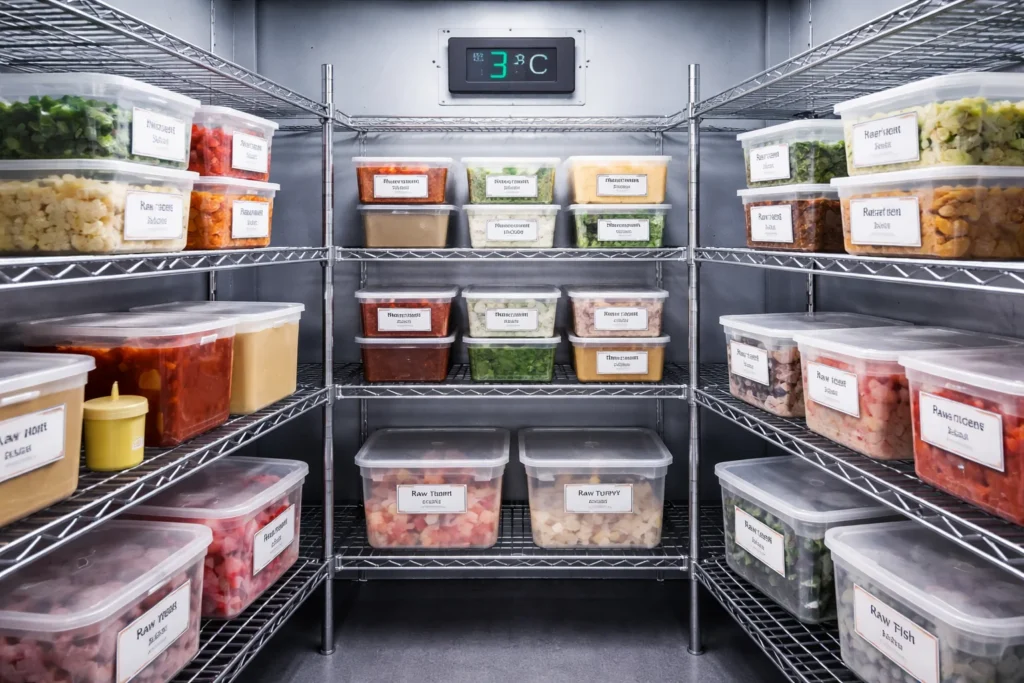
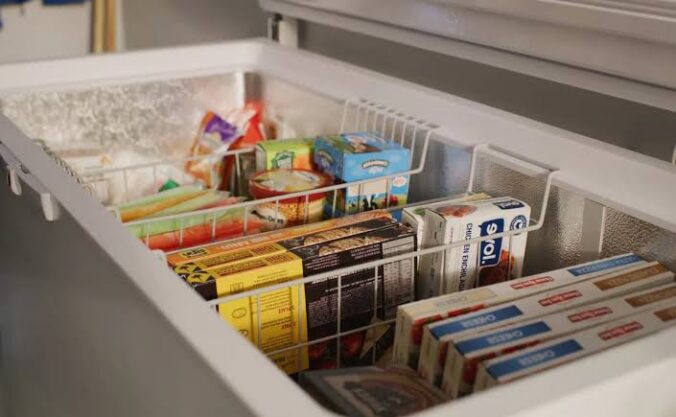
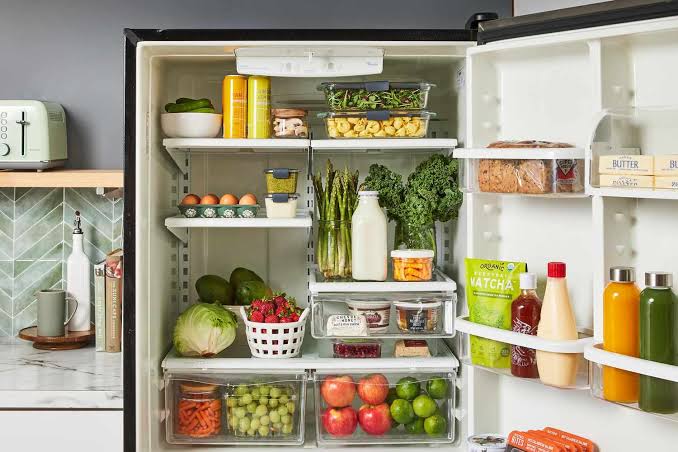
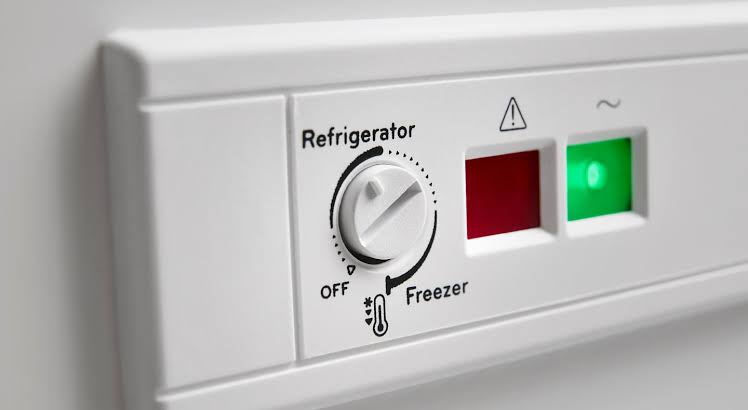
To avoid danger zone food temperatures, fridges are commonly kept at or below 5°C, with many kitchens targeting around 3°C to allow for door openings and load changes. Freezers are typically kept frozen solid, commonly at or below -15°C to -18°C for reliable storage.

They should also verify the actual air and product temperatures with a thermometer, since a dial setting is not proof of performance.

What hot holding temperatures keep food out of the danger zone?

Hot holding should keep food at or above 60°C to stay out of danger zone food temperatures. That applies to bain-maries, heat lamps, pie warmers, hot display units, and pass benches during service.

They should remember that hot holding is not the same as reheating, and units often hold poorly if trays are shallow, lids are off, or food is stirred infrequently.

What internal cooking temperatures are practical for safety?

Cooking is one of the most reliable controls against danger zone food temperatures because it reduces bacteria to safer levels when done properly. The key is checking the thickest part of the food with a clean probe thermometer.

Many Australian kitchens use targets such as: poultry cooked thoroughly, minced meats cooked through, and reheated foods brought back to steaming hot. When in doubt, they should use thermometer checks rather than colour or texture.

How should they cool food quickly to avoid danger zone food temperatures?

Cooling is a high-risk step because large pots and deep trays can sit in danger zone food temperatures for hours. The safest approach is to cool food fast and shallow, then refrigerate promptly once it drops.

They can portion food into smaller containers, use shallow trays, ventilate briefly, and place containers where cold air can circulate. Ice baths, blast chilling, and cooling paddles can also help in busy Australian kitchens.

How should they reheat food safely without lingering in the danger zone?

Reheating should be fast so food does not spend long in danger zone food temperatures. Slow warm-ups in bain-maries or warmers are a common mistake because they heat too gently and unevenly.

They should reheat quickly using stovetops, ovens, microwaves, or combi ovens, then move food into hot holding above 60°C. Stirring and turning during reheating helps remove cold spots.

How can they manage buffets, displays, and catering where food sits out?

Buffets and catering are where danger zone food temperatures can sneak in because food is often displayed for convenience, not control. They should plan for shorter service windows, smaller replenishment batches, and clear time tracking.

Cold displays need enough refrigeration capacity to keep food at or below 5°C, and hot displays must hold above 60°C. If conditions cannot be maintained, they should swap to timed service and discard policies.

What thermometer practices reduce risk the most?

Thermometers reduce risk because they replace guesswork with proof, which is essential when controlling danger zone food temperatures. A probe thermometer, a fridge thermometer, and basic logging cover most needs.

They should calibrate probes when required, sanitise between uses, and check: incoming deliveries, fridge temperatures, hot holding units, cooling foods, and reheats. A simple routine prevents gaps during peak periods.

What are common Australian kitchen mistakes that push food into the danger zone?

Many issues happen during the busiest moments, which is exactly when danger zone food temperatures become easiest to miss. The most common pattern is good cooking followed by poor cooling, weak cold storage, or slow reheating.

Typical mistakes include overfilling fridges, stacking hot containers straight into cool rooms, relying on bain-maries to reheat, leaving food on benches during prep, and transporting catering without insulated equipment.

How do they build a simple daily checklist to control the danger zone?

A checklist works because it turns danger zone food temperatures into a few non-negotiable checks. It also helps casual staff and split shifts keep standards consistent across the week.

A practical daily routine can include: record fridge temps at open and mid-shift, verify hot holding temps during service, probe-test one cooling batch per shift, confirm reheats are steaming hot before hot holding, and document any corrective actions like discarding or rapid chilling.

What Are Danger Zone Food Temperatures For Australian Kitchens?

What should they do if food enters danger zone food temperatures?

If food enters danger zone food temperatures, they should act based on time and risk, not hope. The safest option is often to discard, especially when the time out is unknown or the food is high-risk.

If they can prove the time and control the process, they may be able to correct it by rapidly returning food to safe cold holding or hot holding, but only if it has not been sitting too long. When unsure, they should treat it as unsafe.

How can they explain danger zone food temperatures to staff in one minute?

They can explain danger zone food temperatures as a simple rule: keep cold food cold (≤5°C), keep hot food hot (≥60°C), and minimise time in between. That framing is easy to remember during service and prep.

They should also link the rule to real tasks: quick cooling, fast reheating, smaller batches, covered storage, and thermometer checks at the points where food changes temperature.

What’s the simplest takeaway for Australian kitchens?

Danger zone food temperatures are best controlled by setting firm cold and hot targets, then managing time whenever food is in transition. If they focus on cooling, reheating, and storage checks, most everyday risks drop fast.

With consistent thermometer use and a short checklist, Australian kitchens can keep food out of the danger zone and keep service moving without cutting corners.

What are danger zone food temperatures in Australian kitchens?

Danger zone food temperatures in Australia typically range between 5°C and 60°C. Within this temperature band, bacteria can multiply rapidly, increasing the risk of foodborne illness. To maintain food safety, cold foods should be kept at or below 5°C, and hot foods should be maintained at or above 60°C to prevent bacterial growth.

Why is it important to control danger zone food temperatures?

Controlling danger zone food temperatures is crucial because bacteria double rapidly in warm conditions, especially in protein-rich and moist foods common in Australian kitchens. Prolonged exposure to these temperatures increases the risk of food poisoning, even if the food appears and smells normal. Many outbreaks originate from improper cooling, reheating, transport, or slightly warm refrigeration.

Which foods are most vulnerable to danger zone temperatures?

Potentially hazardous foods that support bacterial growth are most affected by danger zone temperatures. These include cooked rice, pasta, meat, poultry, seafood, eggs, dairy products, cut fruit, prepared salads, gravy, soups, and casseroles. Such foods have moisture and nutrients that enable microbes to thrive if not properly stored.

How long can food safely remain within the danger zone temperature range?

Food should spend as little time as possible between 5°C and 60°C since bacterial growth accelerates over time. Australian kitchens often track how long food is exposed during preparation, display, delivery, and service. If food has been in the danger zone for an extended period, it should be considered unsafe and discarded rather than relying on re-cooling or reheating to make it safe.

What are the recommended fridge and freezer temperature settings for Australian kitchens?

To avoid danger zone temperatures, fridges in Australian kitchens are commonly set at or below 5°C—often around 3°C to compensate for door openings and load variations. Freezers should be maintained frozen solid at or below -15°C to -18°C for reliable storage. It’s important to verify actual air and product temperatures with thermometers rather than relying solely on dial settings.

How can Australian kitchens safely cool and reheat food to prevent entering the danger zone?

Safe cooling involves rapidly reducing food temperature by using shallow containers, portioning into smaller batches, ventilating briefly before refrigeration, and employing tools like ice baths or blast chillers. For reheating, food should be heated quickly using stovetops, ovens, microwaves or combi ovens to reach steaming hot temperatures above 60°C promptly; slow warming methods like bain-maries can cause uneven heating and prolong time spent in the danger zone. Stirring during reheating helps eliminate cold spots.

© 2026 Innovation Suk Ltd

Theme by Anders Noren — Up ↑