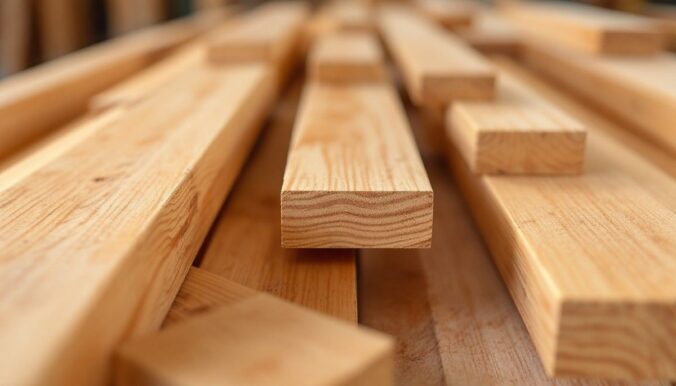
At their best, LVL systems reduce rework, improve finish quality, and keep layouts consistent across pours. That is why many contractors choose them when timelines are tight and tolerances matter.
What is an LVL formwork system?
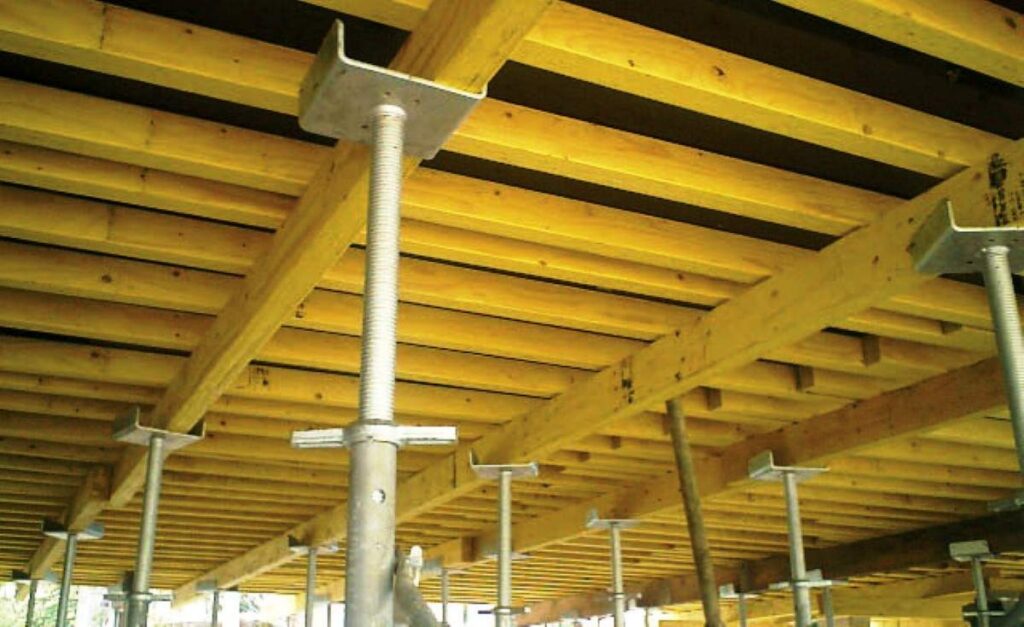
An LVL formwork system uses Laminated Veneer Lumber components, typically beams, joists, and walers, as the structural backbone for concrete shuttering. Because LVL is engineered from thin wood veneers bonded together, it is built to be uniform, predictable, and strong.
They are usually paired with formwork plywood faces, connectors, clamps, and props to create wall and slab formwork that can be cycled across multiple pours.
Why do LVL formwork systems tend to be stronger than traditional timber?
They are stronger largely because LVL is engineered for structural consistency, not cut from a single piece of wood with natural defects. That means fewer weak spots, less variation between members, and more reliable performance under load.
On site, this often translates to better resistance to bending and fewer issues when spans, pour heights, or concrete pressure increase.
How do LVL systems help achieve straighter pours and better finishes?
They help because the members are typically straighter out of the bundle and stay straighter during use. When frames remain true, form faces sit flatter, joints close cleaner, and the concrete finish is more consistent.
They also support repeatable alignment. Crews can set out once, then cycle panels with fewer adjustments, which helps keep walls plumb and edges crisp across floors.
What makes LVL formwork more reliable across multiple reuses?
They are more reliable because LVL holds its shape better than many non engineered timber members, especially when handled repeatedly. When stored and maintained correctly, they can deliver more consistent performance over many cycles.
Reliability is also about predictability. If components behave the same way each time, crews can plan pours with more confidence and fewer last minute fixes.
Where are LVL formwork systems used most often?
They are commonly used in wall formwork, slab and beam decks, columns, and suspended slabs. They suit residential projects, commercial builds, and civil works where repetition and accuracy matter.
They are especially useful when the job needs a modular approach. Standardized LVL beams and accessories can be configured for changing layouts without rebuilding everything from scratch. Check out more about Reobars vs Standard Steel: Understanding the Differences.
What should they look for when choosing an LVL formwork system?
They should look for load ratings, compatibility with existing hardware, and the quality of protective coatings or edge sealing. A strong system is not only about the LVL itself, but also the connectors, clamps, and support layout.
They should also consider local support and availability. If replacement parts and consumables are easy to source, downtime drops and scheduling becomes simpler.
How should LVL formwork be handled and maintained on site?
They should keep LVL members stored off the ground, protected from standing water, and stacked straight to avoid induced bowing. Cleaning concrete residue early helps prevent damage and keeps connections seating properly.
They should also inspect components each cycle. If there are crushed ends, deep splits, or damaged connection points, they should be repaired or removed so the system stays safe and accurate. You may like to visit https://www.safework.sa.gov.au/workplaces/work-tasks-and-projects/formwork to get more about formwork.
Are LVL formwork systems cost effective?
They can be cost effective because they often reduce labor time, improve reusability, and cut rework from misalignment or poor finishes. Even if upfront material costs are higher than basic timber, the total cost per pour can drop when cycles increase.
They benefit most when projects have repetition. The more times the same panels and beams are reused, the more value they tend to deliver.
What is the bottom line for stronger, straighter, more reliable builds?
They are a practical upgrade for teams that want consistent performance across pours. LVL formwork systems support higher accuracy, better concrete finishes, and more predictable on site outcomes.
When paired with good planning and proper handling, they help crews build faster with fewer corrections, which is often where the biggest savings and quality gains come from.
FAQs (Frequently Asked Questions)
What is an LVL formwork system and why is it preferred on construction sites?
An LVL formwork system uses Laminated Veneer Lumber components as the structural backbone for concrete shuttering. Preferred for its speed, accuracy, and repeatable results, it helps crews pour straighter concrete with fewer surprises while holding up better over multiple cycles than many traditional timber setups.
How does LVL formwork provide stronger and more reliable performance compared to traditional timber?
LVL is engineered from thin wood veneers bonded together, ensuring uniformity and structural consistency. This results in fewer weak spots and less variation between members, offering better resistance to bending and improved reliability under load during concrete pours.
In what ways do LVL systems contribute to straighter pours and higher quality concrete finishes?
LVL members are typically straighter out of the bundle and maintain their shape during use. This keeps form faces flatter and joints cleaner, supporting repeatable alignment so crews can set out once and cycle panels with fewer adjustments, leading to consistent wall plumbness and crisp edges across floors.
Where are LVL formwork systems most commonly used in construction projects?
LVL formwork systems are commonly used for wall formwork, slab and beam decks, columns, and suspended slabs. They are suitable for residential, commercial, and civil projects where repetition, accuracy, and modular adaptability are essential.
What factors should contractors consider when choosing an LVL formwork system?
Contractors should consider load ratings, compatibility with existing hardware, quality of protective coatings or edge sealing, as well as local support and availability of replacement parts. A strong system includes not only high-quality LVL but also reliable connectors, clamps, and support layouts.
How should LVL formwork be handled and maintained on site to ensure longevity?
LVL members should be stored off the ground, protected from standing water, and stacked straight to avoid bowing. Cleaning concrete residue promptly prevents damage. Regular inspections for crushed ends, splits or damaged connection points are vital to maintain safety and accuracy throughout multiple reuse cycles.