Tag: ‘childcare cleaning services

Childcare Cleaning Services: How to Reduce Germ Spread in Early Learning Centres

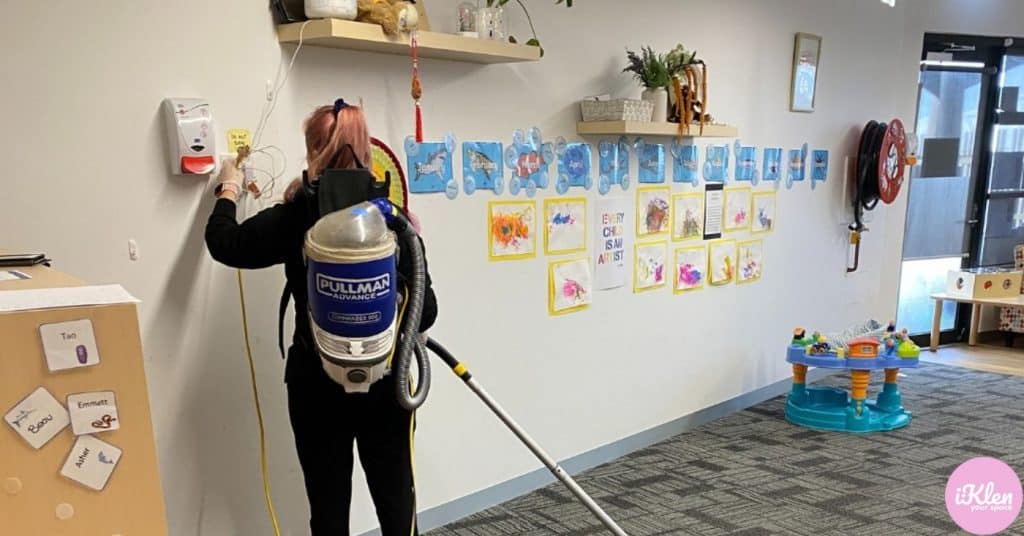
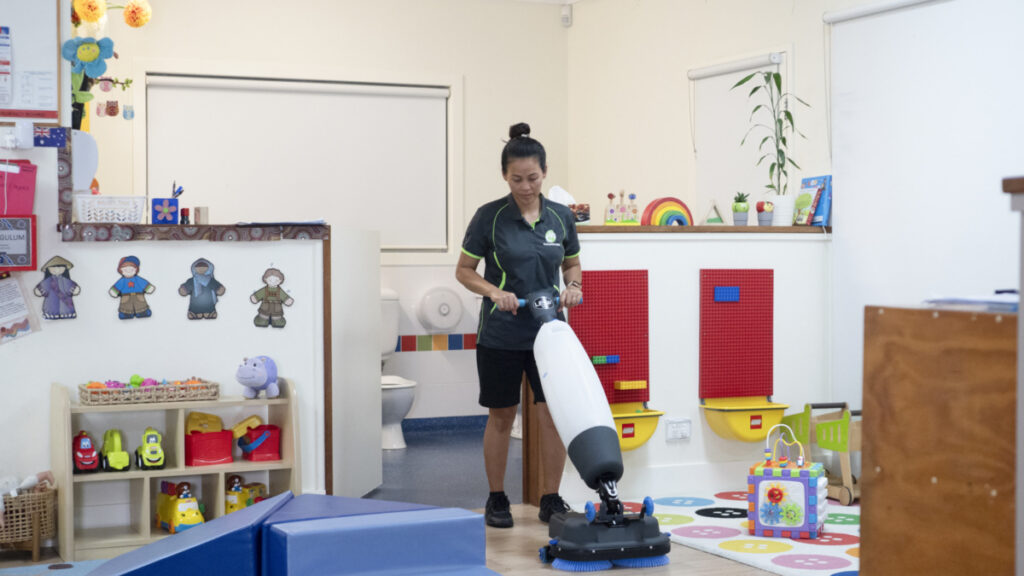
Childcare cleaning services help centres reduce outbreaks, meet hygiene expectations, and protect children, educators, and families. The key is not “cleaning more” in a vague way. It is cleaning the right things, at the right frequency, with the right products, and with clear accountability.

What makes early learning centres so prone to germ spread?

They combine frequent touch, shared items, and developing immune systems in one place. Children explore with hands and mouths, which means pathogens move from surfaces to faces fast.

In childcare centre cleaning Sydney, add nappy changes, toileting, food prep, and group play, and there are multiple transmission routes. Without a structured cleaning plan, even well-meaning daily tidying leaves high-risk areas under-cleaned.

What should a childcare cleaning service focus on first?

They should prioritise high-touch points and high-risk zones before “general” cleaning. That usually delivers the biggest reduction in germ transfer.

High-priority targets include door handles, light switches, taps, toilet flush buttons, handrails, shared devices, locker handles, and sign-in areas. Bathrooms, nappy change spaces, kitchens, and infant rooms should be treated as critical zones with tighter routines.

How often should key areas be cleaned and disinfected?

They should align frequency to risk and touch rate, not the clock. In practice, that means some areas need multiple passes per day, while others can be handled daily.

A practical baseline:

  • Bathrooms and nappy change areas: disinfected at least daily, spot-disinfected as needed.
  • High-touch points (handles, taps, rails): at least daily, more often during outbreaks.
  • Eating areas: cleaned and sanitised after each use.
  • Floors: daily, with extra attention in infant and food areas.
  • Bins: emptied daily and cleaned regularly to prevent odours and contamination.

What is the difference between cleaning, sanitising, and disinfecting?

They are not the same task, and confusing them leads to gaps. Cleaning removes dirt and many germs. Sanitising lowers germs to safer levels. Disinfecting kills germs using a chemical process and needs correct dwell time.

A good childcare cleaning service builds workflows that start with cleaning, then apply sanitiser or disinfectant where appropriate. Skipping the “clean first” step can reduce disinfectant effectiveness.

Which surfaces and objects are most commonly missed?

They often miss the items that do not look dirty but get handled constantly. Those are usually the biggest drivers of cross-contamination.

Common misses include cot rails, highchair straps, chair backs, sensory tables, soft-play edges, shared pencils and craft tools, remote controls, pram parking rails, and staff room touch points. Toy storage lids and book covers also collect residue and need routine wiping.

How should toys and learning materials be managed to reduce germs?

They should treat toys as part of the infection-control system, not just play equipment. The goal is to reduce shared-mouth contact and make cleaning easy.

Centres can rotate toy sets so one set is in use while another is being washed and dried. Mouthed toys should be removed immediately into a labelled container for washing. Plush toys should be limited, washable, and cleaned on a schedule that matches use.

What should they look for in childcare-safe cleaning products?

They should choose products that are effective, approved for the intended setting, and used exactly as directed. “Stronger” is not automatically safer or better in childcare environments.

A reliable service uses clearly labelled chemicals, correct dilutions, and documented dwell times. They also separate tools by zone to avoid spreading pathogens from bathrooms to classrooms. Fragrance-heavy products can be an issue for sensitivities, so low-odour options are often preferred.
Childcare Cleaning Services

How can staff routines support professional cleaning?

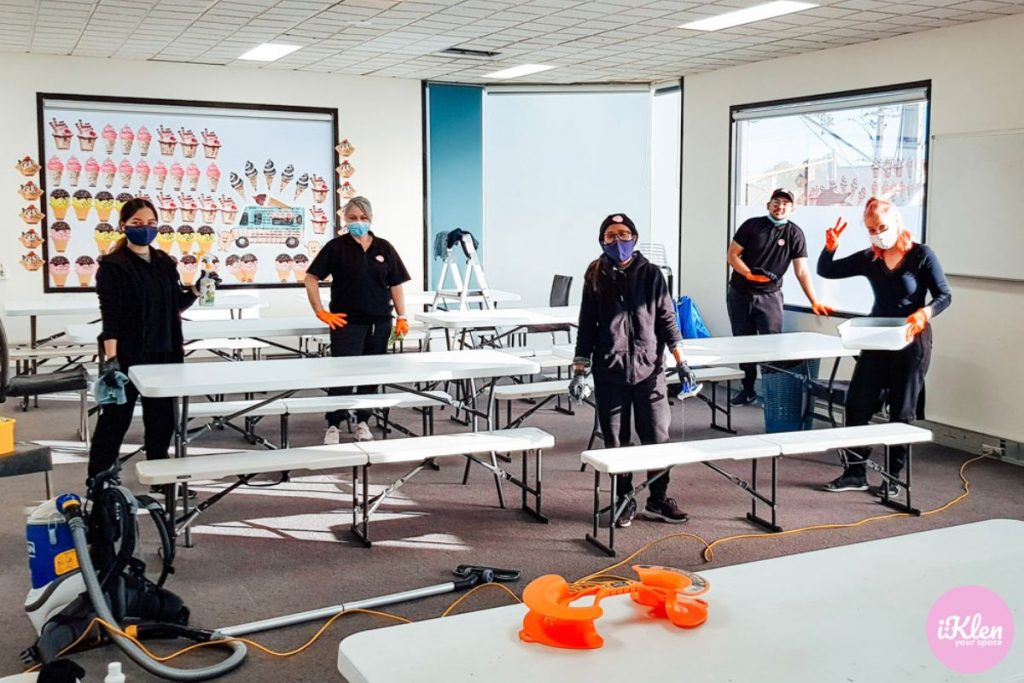
They work best when educators handle quick, consistent “during the day” hygiene while cleaners handle structured, end-of-day and deep-clean tasks. When responsibilities are unclear, high-risk items fall through the cracks.

Simple support routines include: immediate removal of mouthed toys, wipe-down of tables after meals, regular hand hygiene prompts, and keeping clutter low so cleaners can access edges, corners, and floors. A clear checklist avoids duplication and gaps.

What should a good childcare cleaning checklist include?

They should use a checklist that is specific, measurable, and signed off. A vague list like “clean playroom” is hard to verify and easy to miss.

A strong checklist names surfaces, methods, and frequency. It separates zones (rooms, bathrooms, kitchen, entry) and includes high-touch points explicitly. It also includes restocking (soap, paper towels), bin handling, and a notes section for incidents like spills, vomit, or outbreak cleaning.

How can centres reduce illness spikes during outbreaks?

They should shift into an “enhanced cleaning” mode with higher frequency on touch points and stricter handling of shared items. The goal is to break transmission chains quickly.

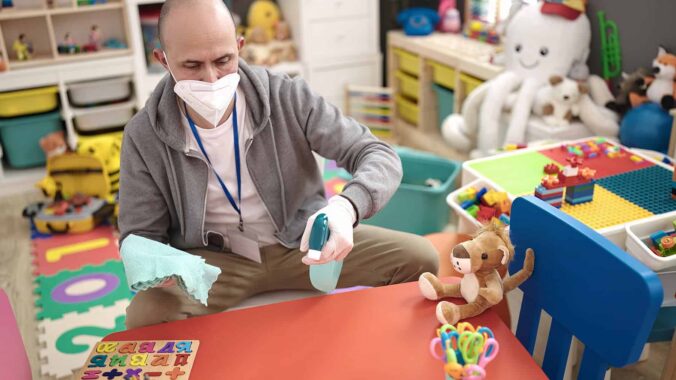
That often includes: disinfecting high-touch points more often, increasing bathroom attention, reducing shared sensory play, increasing toy washing cycles, and reviewing hand hygiene compliance. A cleaning service can also add periodic fogging or electrostatic application where appropriate, but only as a supplement, not a replacement for manual cleaning.

How do they know a childcare cleaning service is actually effective?

They should look for consistency, documentation, and clear communication, not just a nice smell. A professional service can explain what gets disinfected, how often, and with which process.

Useful signals include signed checklists, supervisor audits, incident reporting, and willingness to adjust plans for room changes or illness trends. Some centres also use simple surface ATP testing as an internal spot-check tool, but the basics of access, frequency, and technique matter most. You may like to visit https://innovationsuk.com/childcare-centre-cleaning-what-hygiene-standards-must-be-met-daily/ to learn more about “Childcare Centre Cleaning: What Hygiene Standards Must Be Met Daily?”.

What is the simplest way to start improving germ control this week?

They should map the centre into zones and identify the top 20 high-touch points, then assign frequencies and owners. That single step often removes the biggest blind spots.

From there, they can align the childcare cleaning service scope to what educators cannot realistically do during the day, such as detailed bathroom disinfection, floor edge work, and scheduled deep cleaning of hard-to-reach areas. The result is a cleaner centre, fewer preventable illness spikes, and more confidence for families.
Childcare Cleaning Services

FAQs (Frequently Asked Questions)

Why are early learning centres particularly susceptible to the rapid spread of germs?

Early learning centres combine frequent touch, shared items, and developing immune systems in one place. Children explore with hands and mouths, facilitating quick pathogen transfer from surfaces to faces. Activities like nappy changes, toileting, food preparation, and group play create multiple transmission routes. Without a structured cleaning plan, high-risk areas often remain under-cleaned despite daily tidying.

What should childcare cleaning services prioritize to effectively reduce germ transmission?

Childcare cleaning services should focus first on high-touch points and high-risk zones before general cleaning. Priority targets include door handles, light switches, taps, toilet flush buttons, handrails, shared devices, locker handles, and sign-in areas. Critical zones like bathrooms, nappy change spaces, kitchens, and infant rooms require tighter cleaning routines for maximum germ reduction.

How frequently should key areas in early learning centres be cleaned and disinfected?

Cleaning frequency should align with risk level and touch rate rather than a fixed schedule. For example: bathrooms and nappy change areas should be disinfected at least daily with spot-disinfection as needed; high-touch points require at least daily cleaning and more during outbreaks; eating areas must be cleaned and sanitised after each use; floors cleaned daily with extra attention in infant and food areas; bins emptied daily and cleaned regularly to prevent contamination.

What is the difference between cleaning, sanitising, and disinfecting in childcare settings?

Cleaning removes dirt and many germs but doesn’t kill all pathogens. Sanitising lowers germ levels to safer standards but may not eliminate all microbes. Disinfecting kills germs using chemical processes requiring correct dwell time. Effective childcare cleaning workflows start with thorough cleaning followed by sanitising or disinfecting where appropriate; skipping cleaning can reduce disinfectant effectiveness.

Which surfaces and objects are commonly missed during routine childcare centre cleaning?

Items that don’t appear dirty but are frequently handled often get missed yet drive cross-contamination. Commonly overlooked surfaces include cot rails, highchair straps, chair backs, sensory tables, soft-play edges, shared pencils and craft tools, remote controls, pram parking rails, staff room touch points, toy storage lids, and book covers—all requiring routine wiping to reduce germ spread.

How can early learning centres manage toys and learning materials to minimize germ transmission?

Toys should be integrated into the infection-control system rather than treated solely as play equipment. Centres can rotate toy sets to allow washing between uses; mouthed toys must be immediately removed into labelled containers for washing. Plush toys should be limited to washable types cleaned on schedules matching their use frequency to effectively reduce shared-mouth contact and maintain hygiene.
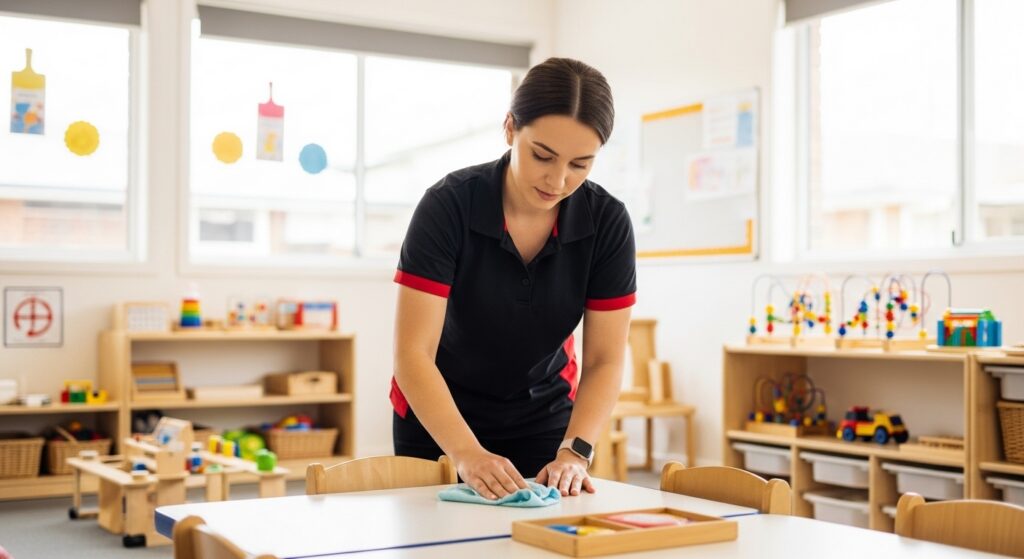
Childcare Centre Cleaning: What Hygiene Standards Must Be Met Daily?

The clearest way to stay compliant is to treat hygiene as a repeatable daily system: clean high-touch points, disinfect the right surfaces at the right times, separate food areas from toileting areas, and document what was done.

What does “daily hygiene standards” mean in a childcare centre?

It means the centre cleans and, where required, disinfects the surfaces and items children and staff touch every day, with extra frequency for higher-risk areas. It also means they follow safe chemical use, correct dilution, and contact times, then record completion.

With childcare cleaning services, daily standards cover: hand hygiene, nappy change and toileting hygiene, food preparation hygiene, toy and sleep equipment hygiene, waste handling, ventilation, and end-of-day reset cleaning.

Childcare Centre Cleaning

Which areas must be cleaned and disinfected every day?

They should clean all areas daily, but disinfecting should focus on high-touch and contamination-prone surfaces. Disinfection is most important where germs spread quickly: bathrooms, nappy change stations, eating areas, and frequently handled objects.

Daily essentials typically include:

  • Door handles, light switches, rails, push plates
  • Tap handles, sinks, toilet flushers, bathroom fixtures
  • Nappy change mats and surrounding splash zones
  • Tables, highchairs, meal trolleys, bench tops
  • Shared devices and frequently handled learning resources

What must happen in bathrooms and nappy change areas each day?

They should treat these as the highest-risk zones and clean them repeatedly, not only at close. Surfaces must be cleaned first, then disinfected using a product suitable for the surface and setting, with the stated contact time met.

Daily expectations usually include:

  • Disinfect nappy change surface after every change
  • Clean and disinfect toilets, potty chairs, taps, and floors at least daily and as soiled
  • Stock soap, paper towel, and toilet paper throughout the day
  • Use separate cloths and equipment from kitchen and play areas

What hygiene steps must be followed in food prep and eating areas daily?

They should keep food zones strictly separate from toileting tasks and cleaning tools. Food-contact surfaces must be cleaned and sanitised in a way that is appropriate for kitchens, with a clear routine before and after meals.

Daily must-dos commonly include:

  • Clean and sanitise tables and highchairs before and after each meal
  • Clean food prep benches, handles, and appliances daily and after spills
  • Wash and air-dry dishes and utensils properly, using hot water and detergent or a dishwasher cycle
  • Store cleaning chemicals away from food, out of children’s access

How often should toys and play equipment be cleaned each day?

They should clean toys daily where sharing is heavy, and immediately when items are mouthed, drooled on, or visibly soiled. The key is to match frequency to risk: under-threes, sensory play, and small shared items need the most attention.

A practical daily approach is:

  • Remove mouthed toys for washing and drying before reuse
  • Wipe hard toys and shared surfaces daily, then disinfect if required by policy
  • Launder soft toys used daily, or rotate and launder on a set schedule
  • Clean play mats and frequently used equipment at least daily

What are the daily requirements for sleep and bedding hygiene?

They should ensure every child has clean, individually assigned sleep items and that bedding is protected from cross-contamination. Even when laundering is not daily, centres should still complete daily checks and hygiene controls.

Daily expectations typically include:

  • Wipe down cots and sleep mats daily, and disinfect when soiled
  • Keep bedding labelled to a single child and stored separately
  • Launder any bedding immediately if contaminated with bodily fluids
  • Ensure sleep areas are vacuumed or mopped daily as part of end-of-day cleaning

What hand hygiene and staff practices must be followed daily?

They should treat hand hygiene as the centre’s most important “cleaning tool”. Cleaning schedules fail if staff move germs between tasks, so daily standards include behaviour, not just surfaces.

Typical daily requirements include:

  • Handwashing on arrival, before food handling, after toileting/nappy changes, after wiping noses, and after outdoor play
  • Gloves used correctly for nappy changes and cleaning bodily fluids, then removed safely
  • No shared cloths between zones, with colour coding or clear segregation
  • Cleaning staff and educators following the same infection-control rules

How should bodily fluid incidents be handled on the day?

They should respond immediately, isolate the area, use appropriate PPE, and clean then disinfect. Bodily fluid clean-ups are not “end of day” tasks because they create an active exposure risk.

A daily-ready process usually includes:

  • Put on gloves (and apron/mask if splashing risk)
  • Remove visible soil with disposable towels
  • Clean with detergent and water, then disinfect with correct contact time
  • Bag waste safely and wash hands thoroughly
  • Record the incident and the cleaning action taken
Childcare Centre Cleaning

What cleaning products and tools should be used daily?

They should use childcare-appropriate products, follow label directions, and avoid mixing chemicals. The centre’s policy should specify which products are used for routine cleaning versus disinfection, and how they are stored.

Daily best practice includes:

  • Measured dilution using labelled bottles
  • Separate mops, buckets, and cloths for bathrooms versus kitchens
  • Frequent laundering or disposal of cloths and mop heads
  • Locked chemical storage, with Safety Data Sheets accessible to staff

What should be completed at the end of every day?

They should reset the environment so the next day starts hygienic, stocked, and safe. End-of-day cleaning does not replace daytime hygiene, but it is where floors, bins, and overlooked touch points are fully addressed.

A solid daily close commonly includes:

  • Empty bins, replace liners, and clean bin lids if needed
  • Vacuum and mop floors, especially bathrooms and eating areas
  • Clean and disinfect high-touch points across rooms
  • Restock soap, paper towels, tissues, gloves, and cleaning supplies
  • Secure chemicals and store cleaned tools to dry properly

How can a centre prove daily hygiene standards are being met?

They should document routines, verify completion, and keep records ready for audits and parent questions. A simple checklist is often the difference between “they do it” and “they can prove it”.

Useful daily records include:

  • Room-by-room cleaning checklists with times and initials
  • Nappy change and bathroom cleaning logs
  • Toy cleaning rotation lists and laundering records
  • Incident clean-up records for bodily fluids
  • Notes on product dilution checks and supply restocking

Other Resources : Childcare Cleaning Services: How to Reduce Germ Spread in Early Learning Centres

What is the simplest daily checklist a childcare centre can follow?

They can follow a short checklist that prioritises high-risk zones and high-touch surfaces, then build on it as needed. The goal is consistency, not perfection.

A practical daily minimum:

  • Disinfect nappy change surfaces after each use
  • Clean and disinfect bathrooms at least daily and as soiled
  • Sanitise eating surfaces before and after meals
  • Remove and wash mouthed toys immediately
  • Mop/vacuum floors and empty bins at close
  • Complete logs and restock hygiene supplies
Childcare Centre Cleaning

FAQs (Frequently Asked Questions)

What are daily hygiene standards in a childcare centre?

Daily hygiene standards in a childcare centre mean cleaning and disinfecting surfaces and items touched by children and staff every day, with extra attention to high-risk areas. This includes safe chemical use, correct dilution, contact times, and thorough documentation. Key areas covered are hand hygiene, nappy change and toileting hygiene, food preparation hygiene, toy and sleep equipment hygiene, waste handling, ventilation, and end-of-day reset cleaning.

Which areas require daily cleaning and disinfection in childcare centres?

All areas should be cleaned daily, but disinfection focuses on high-touch and contamination-prone surfaces where germs spread quickly. These include bathrooms, nappy change stations, eating areas, door handles, light switches, rails, taps, toilet flushers, nappy change mats, tables, highchairs, meal trolleys, bench tops, shared devices, and frequently handled learning resources.

What specific hygiene practices must be followed in bathrooms and nappy change areas each day?

Bathrooms and nappy change areas are high-risk zones requiring repeated cleaning throughout the day. Surfaces must be cleaned first then disinfected with suitable products meeting contact times. Daily tasks include disinfecting nappy change surfaces after every change; cleaning and disinfecting toilets, potty chairs, taps, and floors at least daily or when soiled; stocking soap, paper towels, and toilet paper; and using separate cloths and equipment from kitchen and play areas.

How should food preparation and eating areas be maintained hygienically each day?

Food preparation zones must be strictly separate from toileting tasks. Food-contact surfaces require appropriate cleaning and sanitising before and after meals. Daily steps include cleaning and sanitising tables and highchairs before/after meals; cleaning food prep benches, handles, appliances daily or after spills; properly washing dishes with hot water/detergent or dishwasher cycles; storing cleaning chemicals away from food out of children’s reach.

How often should toys and play equipment be cleaned in childcare centres?

Toys should be cleaned daily where sharing is heavy or immediately if mouthed, drooled on or visibly soiled. Under-threes’ toys, sensory play items, and small shared objects need more frequent attention. The routine includes removing mouthed toys for washing before reuse; wiping hard toys/shared surfaces daily then disinfecting if policy requires; laundering soft toys used daily or rotating them on a set schedule; cleaning play mats and frequently used equipment at least daily.

What are the essential hand hygiene practices for staff in childcare centres?

Hand hygiene is the most important infection control tool. Staff must wash hands on arrival, before food handling, after toileting/nappy changes, after wiping noses, and after outdoor play. Gloves should be used correctly during nappy changes or bodily fluid clean-ups then removed safely. No shared cloths between zones with colour coding or clear segregation are essential. Both cleaning staff and educators must follow consistent infection-control rules every day.

© 2026 Innovation Suk Ltd

Theme by Anders NorenUp ↑