Month: March 2026

Childcare Centre Cleaning: What Hygiene Standards Must Be Met Daily?

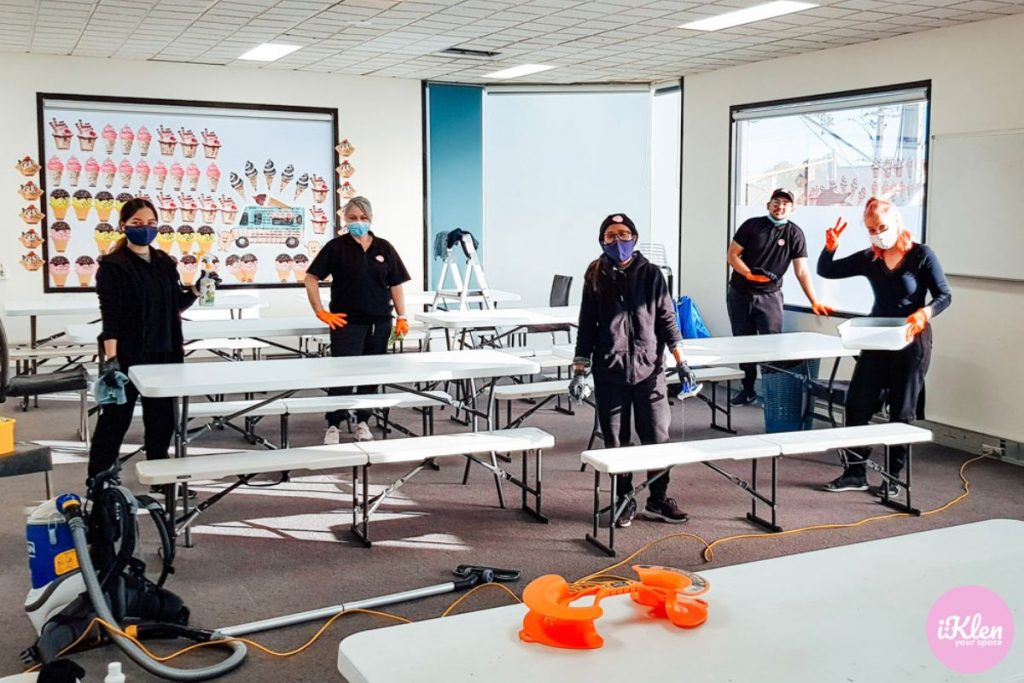
The clearest way to stay compliant is to treat hygiene as a repeatable daily system: clean high-touch points, disinfect the right surfaces at the right times, separate food areas from toileting areas, and document what was done.

What does “daily hygiene standards” mean in a childcare centre?

It means the centre cleans and, where required, disinfects the surfaces and items children and staff touch every day, with extra frequency for higher-risk areas. It also means they follow safe chemical use, correct dilution, and contact times, then record completion.

In practice, daily standards cover: hand hygiene, nappy change and toileting hygiene, food preparation hygiene, toy and sleep equipment hygiene, waste handling, ventilation, and end-of-day reset cleaning.

Childcare Centre Cleaning

Which areas must be cleaned and disinfected every day?

They should clean all areas daily, but disinfecting should focus on high-touch and contamination-prone surfaces. Disinfection is most important where germs spread quickly: bathrooms, nappy change stations, eating areas, and frequently handled objects.

Daily essentials typically include:

  • Door handles, light switches, rails, push plates
  • Tap handles, sinks, toilet flushers, bathroom fixtures
  • Nappy change mats and surrounding splash zones
  • Tables, highchairs, meal trolleys, bench tops
  • Shared devices and frequently handled learning resources

What must happen in bathrooms and nappy change areas each day?

They should treat these as the highest-risk zones and clean them repeatedly, not only at close. Surfaces must be cleaned first, then disinfected using a product suitable for the surface and setting, with the stated contact time met.

Daily expectations usually include:

  • Disinfect nappy change surface after every change
  • Clean and disinfect toilets, potty chairs, taps, and floors at least daily and as soiled
  • Stock soap, paper towel, and toilet paper throughout the day
  • Use separate cloths and equipment from kitchen and play areas

What hygiene steps must be followed in food prep and eating areas daily?

They should keep food zones strictly separate from toileting tasks and cleaning tools. Food-contact surfaces must be cleaned and sanitised in a way that is appropriate for kitchens, with a clear routine before and after meals.

Daily must-dos commonly include:

  • Clean and sanitise tables and highchairs before and after each meal
  • Clean food prep benches, handles, and appliances daily and after spills
  • Wash and air-dry dishes and utensils properly, using hot water and detergent or a dishwasher cycle
  • Store cleaning chemicals away from food, out of children’s access

How often should toys and play equipment be cleaned each day?

They should clean toys daily where sharing is heavy, and immediately when items are mouthed, drooled on, or visibly soiled. The key is to match frequency to risk: under-threes, sensory play, and small shared items need the most attention.

A practical daily approach is:

  • Remove mouthed toys for washing and drying before reuse
  • Wipe hard toys and shared surfaces daily, then disinfect if required by policy
  • Launder soft toys used daily, or rotate and launder on a set schedule
  • Clean play mats and frequently used equipment at least daily

What are the daily requirements for sleep and bedding hygiene?

They should ensure every child has clean, individually assigned sleep items and that bedding is protected from cross-contamination. Even when laundering is not daily, centres should still complete daily checks and hygiene controls.

Daily expectations typically include:

  • Wipe down cots and sleep mats daily, and disinfect when soiled
  • Keep bedding labelled to a single child and stored separately
  • Launder any bedding immediately if contaminated with bodily fluids
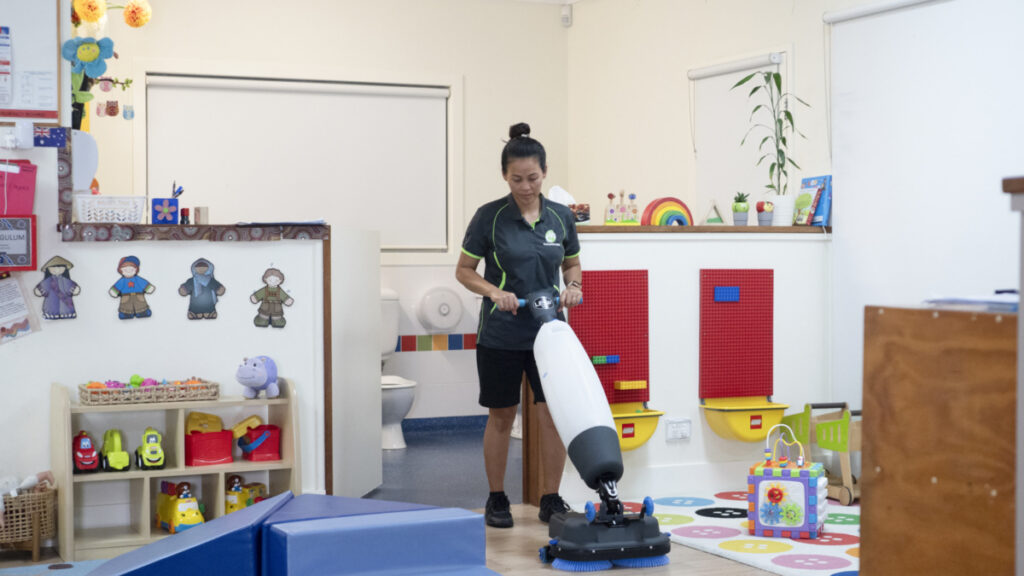
  • Ensure sleep areas are vacuumed or mopped daily as part of end-of-day cleaning

What hand hygiene and staff practices must be followed daily?

They should treat hand hygiene as the centre’s most important “cleaning tool”. Cleaning schedules fail if staff move germs between tasks, so daily standards include behaviour, not just surfaces.

Typical daily requirements include:

  • Handwashing on arrival, before food handling, after toileting/nappy changes, after wiping noses, and after outdoor play
  • Gloves used correctly for nappy changes and cleaning bodily fluids, then removed safely
  • No shared cloths between zones, with colour coding or clear segregation
  • Cleaning staff and educators following the same infection-control rules

How should bodily fluid incidents be handled on the day?

They should respond immediately, isolate the area, use appropriate PPE, and clean then disinfect. Bodily fluid clean-ups are not “end of day” tasks because they create an active exposure risk.

A daily-ready process usually includes:

  • Put on gloves (and apron/mask if splashing risk)
  • Remove visible soil with disposable towels
  • Clean with detergent and water, then disinfect with correct contact time
  • Bag waste safely and wash hands thoroughly
  • Record the incident and the cleaning action taken
Childcare Centre Cleaning

What cleaning products and tools should be used daily?

They should use childcare-appropriate products, follow label directions, and avoid mixing chemicals. The centre’s policy should specify which products are used for routine cleaning versus disinfection, and how they are stored.

Daily best practice includes:

  • Measured dilution using labelled bottles
  • Separate mops, buckets, and cloths for bathrooms versus kitchens
  • Frequent laundering or disposal of cloths and mop heads
  • Locked chemical storage, with Safety Data Sheets accessible to staff

What should be completed at the end of every day?

They should reset the environment so the next day starts hygienic, stocked, and safe. End-of-day cleaning does not replace daytime hygiene, but it is where floors, bins, and overlooked touch points are fully addressed.

A solid daily close commonly includes:

  • Empty bins, replace liners, and clean bin lids if needed
  • Vacuum and mop floors, especially bathrooms and eating areas
  • Clean and disinfect high-touch points across rooms
  • Restock soap, paper towels, tissues, gloves, and cleaning supplies
  • Secure chemicals and store cleaned tools to dry properly

How can a centre prove daily hygiene standards are being met?

They should document routines, verify completion, and keep records ready for audits and parent questions. A simple checklist is often the difference between “they do it” and “they can prove it”.

Useful daily records include:

  • Room-by-room cleaning checklists with times and initials
  • Nappy change and bathroom cleaning logs
  • Toy cleaning rotation lists and laundering records
  • Incident clean-up records for bodily fluids
  • Notes on product dilution checks and supply restocking

What is the simplest daily checklist a childcare centre can follow?

They can follow a short checklist that prioritises high-risk zones and high-touch surfaces, then build on it as needed. The goal is consistency, not perfection.

A practical daily minimum:

  • Disinfect nappy change surfaces after each use
  • Clean and disinfect bathrooms at least daily and as soiled
  • Sanitise eating surfaces before and after meals
  • Remove and wash mouthed toys immediately
  • Mop/vacuum floors and empty bins at close
  • Complete logs and restock hygiene supplies
Childcare Centre Cleaning

FAQs (Frequently Asked Questions)

What are daily hygiene standards in a childcare centre?

Daily hygiene standards in a childcare centre mean cleaning and disinfecting surfaces and items touched by children and staff every day, with extra attention to high-risk areas. This includes safe chemical use, correct dilution, contact times, and thorough documentation. Key areas covered are hand hygiene, nappy change and toileting hygiene, food preparation hygiene, toy and sleep equipment hygiene, waste handling, ventilation, and end-of-day reset cleaning.

Which areas require daily cleaning and disinfection in childcare centres?

All areas should be cleaned daily, but disinfection focuses on high-touch and contamination-prone surfaces where germs spread quickly. These include bathrooms, nappy change stations, eating areas, door handles, light switches, rails, taps, toilet flushers, nappy change mats, tables, highchairs, meal trolleys, bench tops, shared devices, and frequently handled learning resources.

What specific hygiene practices must be followed in bathrooms and nappy change areas each day?

Bathrooms and nappy change areas are high-risk zones requiring repeated cleaning throughout the day. Surfaces must be cleaned first then disinfected with suitable products meeting contact times. Daily tasks include disinfecting nappy change surfaces after every change; cleaning and disinfecting toilets, potty chairs, taps, and floors at least daily or when soiled; stocking soap, paper towels, and toilet paper; and using separate cloths and equipment from kitchen and play areas.

How should food preparation and eating areas be maintained hygienically each day?

Food preparation zones must be strictly separate from toileting tasks. Food-contact surfaces require appropriate cleaning and sanitising before and after meals. Daily steps include cleaning and sanitising tables and highchairs before/after meals; cleaning food prep benches, handles, appliances daily or after spills; properly washing dishes with hot water/detergent or dishwasher cycles; storing cleaning chemicals away from food out of children’s reach.

How often should toys and play equipment be cleaned in childcare centres?

Toys should be cleaned daily where sharing is heavy or immediately if mouthed, drooled on or visibly soiled. Under-threes’ toys, sensory play items, and small shared objects need more frequent attention. The routine includes removing mouthed toys for washing before reuse; wiping hard toys/shared surfaces daily then disinfecting if policy requires; laundering soft toys used daily or rotating them on a set schedule; cleaning play mats and frequently used equipment at least daily.

What are the essential hand hygiene practices for staff in childcare centres?

Hand hygiene is the most important infection control tool. Staff must wash hands on arrival, before food handling, after toileting/nappy changes, after wiping noses, and after outdoor play. Gloves should be used correctly during nappy changes or bodily fluid clean-ups then removed safely. No shared cloths between zones with colour coding or clear segregation are essential. Both cleaning staff and educators must follow consistent infection-control rules every day.

Reobars vs Standard Steel: Understanding the Differences

This guide explains what each material is, where each one performs best, and how to avoid common specification mistakes.

What is rebar, exactly?

Rebars are steel specifically made to reinforce concrete. It is most often supplied as deformed bars with ridges that mechanically lock into concrete, helping both materials act together under stress.

They are typically specified by diameter, grade, and standard (for example, ASTM or local equivalents). In most structural concrete, rebar is the default reinforcing option because it is purpose-built for bond strength and predictable performance.

What is “standard steel” in construction terms?

“Standard steel” is a broad label that usually refers to structural steel products not primarily intended as concrete reinforcement. That can include plates, angles, channels, I-beams, hollow sections, and sometimes smooth round bars.

They are commonly used to carry loads through a steel frame, to span long distances, or to form brackets, baseplates, and connections. Unlike rebar, their surface and detailing are not designed for strong concrete bonding.

How do rebar and standard steel differ in shape and surface?

Rebar is usually round and deformed, with ribs that improve grip inside concrete. That surface pattern is not cosmetic; it is a major part of why reinforced concrete works.

Standard structural steel comes in many shapes, most of which are smooth or have mill scale rather than ribs. Smooth surfaces can slip in concrete unless they are mechanically anchored, welded to plates, or designed with connectors that transfer force.

How do they differ in purpose and load behavior?

Rebar is mainly used to resist tensile forces in concrete elements such as slabs, beams, columns, and footings. Concrete is strong in compression but weak in tension, so rebar handles the tension while concrete handles compression.

Standard steel is typically used as the main load-carrying member in a steel structure. They often take both tension and compression directly, and designs rely heavily on connections, bracing, and member stability rather than concrete bonding. Check out more about autoclaved aerated concrete.

How do strength grades and ductility typically compare?

Rebar grades are commonly chosen for yield strength and ductility so they perform well under overload and seismic-type demands. In many designs, controlled yielding is a feature, not a failure.

Standard structural steel also comes in grades, but selection often focuses on section properties, buckling resistance, weldability, and connection design. Depending on grade and product type, their ductility and detailing rules can differ from reinforcing steel assumptions.

What standards and specifications usually apply to each?

Rebar is governed by reinforcing steel standards and project reinforcing schedules. They include requirements for bend diameters, splice lengths, hooks, coating types, and placement tolerances.

Structural steel is governed by steelwork and fabrication standards. They include requirements for mill certificates, welding procedures, bolt grades, galvanizing systems, and inspection regimes. Mixing these specification pathways without clarity can cause delays and compliance issues.

How do corrosion risks and protection methods differ?

Rebar corrosion is especially serious because rust expands and can crack and spall concrete, reducing bond and section capacity. That is why projects may specify increased cover, epoxy-coated rebar, galvanized rebar, stainless rebar, or corrosion inhibitors.

Standard steel corrosion usually affects exposed members directly, so protection focuses on paint systems, galvanizing, weathering steel selection, or fire and corrosion coatings. They are typically inspected visually, whereas rebar is hidden and must be protected by design.

When is rebar the better choice?

Rebar is usually the right choice when the element is primarily concrete and needs internal reinforcement. Typical applications include foundations, retaining walls, suspended slabs, beams, columns, and pavements.

They also suit projects where reinforcement cages, spacing rules, and code-based detailing are already established. In those cases, substituting other steel products for rebar can create bond and detailing problems that are hard to justify.

When is standard steel the better choice?

Standard steel is usually better when the structure is intended to be steel-framed, when long spans are required, or when speed of erection and lighter weight are priorities. They are common in warehouses, industrial plants, platforms, stair structures, and portal frames.

They are also a good choice when future modifications are likely, since steel frames can be adapted more easily than reinforced concrete.

Can standard steel replace rebar in concrete?

It can, but it usually should not unless it is engineered and detailed to do so. Smooth round bars or plates do not provide the same bond behavior as deformed rebar, so the design may need anchorage, mechanical connectors, longer development lengths, or different reinforcement layouts.

If they attempt a swap for cost or availability, they risk cracking, slippage, reduced capacity, and inspection rejection. The safe approach is to treat any substitution as a redesign, not a like-for-like replacement.

Reobars

What should they consider for cost, availability, and installation?

Rebar is often cheaper per ton and faster to place in typical reinforced concrete work, especially with standard bar sizes and simple cages. However, labor can increase with congestion, tight spacing, complex bends, or heavy splice requirements.

Structural steel can be cost-effective when prefabrication reduces site labor and schedules are tight. Their costs often shift toward fabrication, transport, cranes, and connection detailing rather than on-site tying and placing. Click here to get more about LVL formwork systems: stronger, straighter, more reliable builds.

How can they choose correctly for a specific project?

They should start by identifying the structural system: reinforced concrete, structural steel, or composite. From there, they should match the material to the load path and the environment, then confirm code requirements for detailing, corrosion protection, and inspection.

If the project is concrete-first, rebar is usually the baseline. If the project is steel-first, standard steel sections typically carry the primary loads, with rebar limited to concrete slabs, cores, or foundations. When in doubt, they should confirm with the structural engineer before procurement.

FAQs (Frequently Asked Questions)

What is the primary function of rebar in reinforced concrete?

Rebar is steel specifically made to reinforce concrete by providing tensile strength. It features deformed bars with ribs that mechanically lock into concrete, allowing both materials to act together under stress, especially resisting tension where concrete alone is weak.

How does standard steel differ from rebar in construction applications?

Standard steel refers to structural steel products like plates, angles, channels, and I-beams used mainly for load-carrying in steel frames. Unlike rebar, standard steel is not designed for strong bonding with concrete and typically carries both tension and compression directly through connections and bracing.

Can standard steel replace rebar in concrete reinforcement?

While standard steel can be used to replace rebar, it usually should not unless engineered and detailed properly. Smooth surfaces of standard steel lack the mechanical bond of deformed rebar, requiring additional anchorage or connectors. Improper substitution risks cracking, slippage, reduced capacity, and inspection failure.

What are the key differences in corrosion protection for rebar versus standard steel?

Rebar corrosion can cause concrete cracking and spalling due to rust expansion, so protection methods include increased concrete cover, epoxy coatings, galvanizing, stainless steel options, or corrosion inhibitors. Standard steel corrosion affects exposed members directly and is managed with paint systems, galvanizing, weathering steels, and inspected visually.

When should a project choose rebar over standard structural steel?

Rebar is preferred when the element is primarily concrete needing internal reinforcement—such as foundations, slabs, beams, columns—and where reinforcement cages and code detailing are established. Rebar ensures proper bond strength and predictable performance within concrete structures.

What factors influence the choice between rebar and standard structural steel in construction?

Choosing between rebar and standard steel depends on the structural system (concrete or steel-framed), load paths, environmental conditions, code requirements for detailing and corrosion protection, cost considerations, availability, installation complexity, and future modification needs. Consulting a structural engineer helps confirm the best option for each project.

LVL Formwork Systems: Stronger, Straighter, More Reliable Builds

At their best, LVL systems reduce rework, improve finish quality, and keep layouts consistent across pours. That is why many contractors choose them when timelines are tight and tolerances matter.

What is an LVL formwork system?

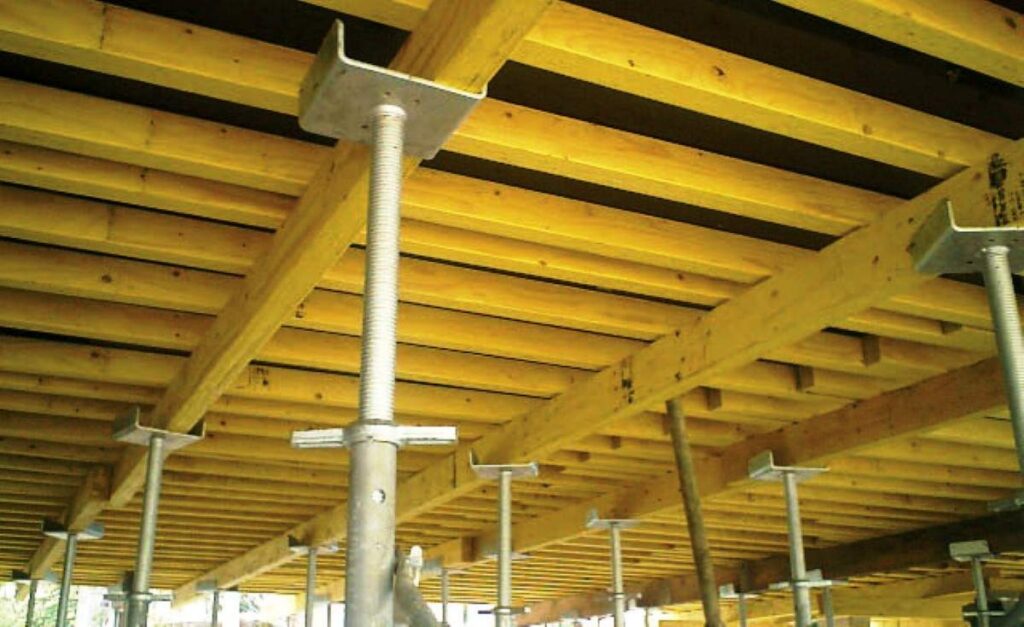
An LVL formwork system uses Laminated Veneer Lumber components, typically beams, joists, and walers, as the structural backbone for concrete shuttering. Because LVL is engineered from thin wood veneers bonded together, it is built to be uniform, predictable, and strong.

They are usually paired with formwork plywood faces, connectors, clamps, and props to create wall and slab formwork that can be cycled across multiple pours.

Why do LVL formwork systems tend to be stronger than traditional timber?

They are stronger largely because LVL is engineered for structural consistency, not cut from a single piece of wood with natural defects. That means fewer weak spots, less variation between members, and more reliable performance under load.

On site, this often translates to better resistance to bending and fewer issues when spans, pour heights, or concrete pressure increase.

How do LVL systems help achieve straighter pours and better finishes?

They help because the members are typically straighter out of the bundle and stay straighter during use. When frames remain true, form faces sit flatter, joints close cleaner, and the concrete finish is more consistent.

They also support repeatable alignment. Crews can set out once, then cycle panels with fewer adjustments, which helps keep walls plumb and edges crisp across floors.

What makes LVL formwork more reliable across multiple reuses?

They are more reliable because LVL holds its shape better than many non engineered timber members, especially when handled repeatedly. When stored and maintained correctly, they can deliver more consistent performance over many cycles.

Reliability is also about predictability. If components behave the same way each time, crews can plan pours with more confidence and fewer last minute fixes.

Where are LVL formwork systems used most often?

They are commonly used in wall formwork, slab and beam decks, columns, and suspended slabs. They suit residential projects, commercial builds, and civil works where repetition and accuracy matter.

They are especially useful when the job needs a modular approach. Standardized LVL beams and accessories can be configured for changing layouts without rebuilding everything from scratch. Check out more about Reobars vs Standard Steel: Understanding the Differences.

What should they look for when choosing an LVL formwork system?

They should look for load ratings, compatibility with existing hardware, and the quality of protective coatings or edge sealing. A strong system is not only about the LVL itself, but also the connectors, clamps, and support layout.

They should also consider local support and availability. If replacement parts and consumables are easy to source, downtime drops and scheduling becomes simpler.

How should LVL formwork be handled and maintained on site?

They should keep LVL members stored off the ground, protected from standing water, and stacked straight to avoid induced bowing. Cleaning concrete residue early helps prevent damage and keeps connections seating properly.

They should also inspect components each cycle. If there are crushed ends, deep splits, or damaged connection points, they should be repaired or removed so the system stays safe and accurate. You may like to visit https://www.safework.sa.gov.au/workplaces/work-tasks-and-projects/formwork to get more about formwork.

lvl formwork

Are LVL formwork systems cost effective?

They can be cost effective because they often reduce labor time, improve reusability, and cut rework from misalignment or poor finishes. Even if upfront material costs are higher than basic timber, the total cost per pour can drop when cycles increase.

They benefit most when projects have repetition. The more times the same panels and beams are reused, the more value they tend to deliver.

What is the bottom line for stronger, straighter, more reliable builds?

They are a practical upgrade for teams that want consistent performance across pours. LVL formwork systems support higher accuracy, better concrete finishes, and more predictable on site outcomes.

When paired with good planning and proper handling, they help crews build faster with fewer corrections, which is often where the biggest savings and quality gains come from.

FAQs (Frequently Asked Questions)

What is an LVL formwork system and why is it preferred on construction sites?

An LVL formwork system uses Laminated Veneer Lumber components as the structural backbone for concrete shuttering. Preferred for its speed, accuracy, and repeatable results, it helps crews pour straighter concrete with fewer surprises while holding up better over multiple cycles than many traditional timber setups.

How does LVL formwork provide stronger and more reliable performance compared to traditional timber?

LVL is engineered from thin wood veneers bonded together, ensuring uniformity and structural consistency. This results in fewer weak spots and less variation between members, offering better resistance to bending and improved reliability under load during concrete pours.

In what ways do LVL systems contribute to straighter pours and higher quality concrete finishes?

LVL members are typically straighter out of the bundle and maintain their shape during use. This keeps form faces flatter and joints cleaner, supporting repeatable alignment so crews can set out once and cycle panels with fewer adjustments, leading to consistent wall plumbness and crisp edges across floors.

Where are LVL formwork systems most commonly used in construction projects?

LVL formwork systems are commonly used for wall formwork, slab and beam decks, columns, and suspended slabs. They are suitable for residential, commercial, and civil projects where repetition, accuracy, and modular adaptability are essential.

What factors should contractors consider when choosing an LVL formwork system?

Contractors should consider load ratings, compatibility with existing hardware, quality of protective coatings or edge sealing, as well as local support and availability of replacement parts. A strong system includes not only high-quality LVL but also reliable connectors, clamps, and support layouts.

How should LVL formwork be handled and maintained on site to ensure longevity?

LVL members should be stored off the ground, protected from standing water, and stacked straight to avoid bowing. Cleaning concrete residue promptly prevents damage. Regular inspections for crushed ends, splits or damaged connection points are vital to maintain safety and accuracy throughout multiple reuse cycles.

© 2026 Innovation Suk Ltd

Theme by Anders NorenUp ↑