This guide explains how businesses can reduce downtime by spotting early warning signs, responding correctly to breakdowns, and working with repair teams who can restore cooling without dragging disruption across days.
What usually causes commercial air conditioning breakdowns in Sydney?
Most breakdowns come from wear, blocked airflow, electrical faults, or poor maintenance, not “bad luck.” In many cases, the need for commercial air conditioning repairs Sydney services increases because Sydney’s dust, coastal salt air, and heavy summer demand accelerate common problems.
Typical causes include clogged filters and coils, refrigerant leaks, failed capacitors or contactors, sensor faults, stuck dampers, and worn fan motors. Many issues start small, then escalate when systems run longer to compensate. The sooner they catch the pattern, the less likely it becomes a full outage.
Which warning signs should businesses treat as urgent?
The clearest early signals are abnormal noise, odours, weak airflow, uneven temperatures, and sudden spikes in power use. If they act at this stage, repairs are often quicker and cheaper.
They should also watch for frequent cycling, water leaks around indoor units, warm air blowing during cooling mode, or complaints concentrated in one zone. For ducted and VRF systems, a single zone issue can indicate broader control or airflow problems that later affect the whole site.
How can they respond in the first 30 minutes to reduce downtime?
The first half hour should focus on stabilising the environment and preventing further damage. A calm, repeatable checklist helps staff avoid mistakes that extend the outage.
They can start by confirming whether the issue is isolated to a zone or site-wide, checking the thermostat settings, and noting any error codes. They should avoid repeatedly power-cycling the unit, which can stress compressors and electronics. If safe, they can clear obvious airflow blockages and move heat-generating activities away from affected areas.
When is it smarter to repair rather than replace the system?
Repair is usually the right call when the unit is under 10 to 12 years old, parts are available, and the fault is confined to components like fans, controls, sensors, or minor refrigerant issues. Replacement tends to make more sense when failures repeat or when the compressor or heat exchanger is compromised.
They should also consider energy costs and compliance. Older systems can be significantly less efficient, and some refrigerants are increasingly expensive or harder to source. A repair may restore function, but a replacement may reduce ongoing risk and power bills.
How do commercial repair teams diagnose faults quickly on-site?
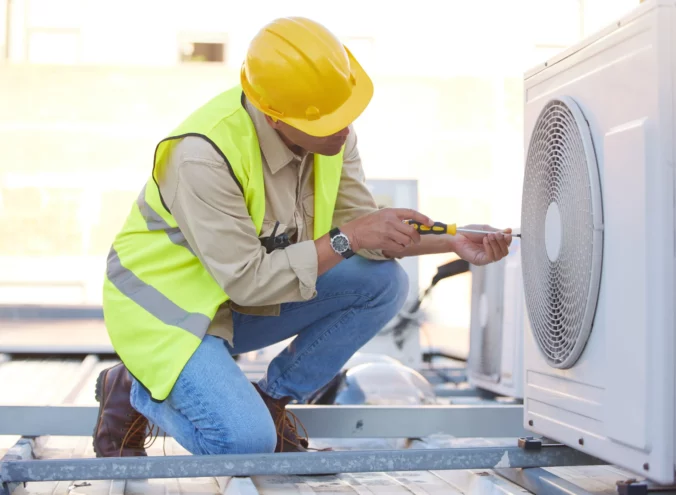
Good technicians shorten downtime by arriving prepared, gathering the right information, and testing methodically. They usually start with a visual inspection, electrical checks, and system pressures, then confirm airflow and control signals.
For modern commercial setups, they often interrogate control boards, BMS interfaces, and error histories. They may test capacitors, contactors, compressor amperage draw, and thermistor readings. Clear documentation from the business, such as when the fault started and what changed, can remove hours of guesswork.
What should they ask before booking commercial air conditioning repairs in Sydney?
They should ask questions that reveal speed, parts access, and commercial experience, not just price. The goal is a fast, durable fix with minimal disruption to staff and customers.
Useful questions include:
- Can they attend same day, and what is the realistic arrival window?
- Do they carry common commercial parts or have quick supplier access in Sydney?
- Are they experienced with the site’s brand and system type (ducted, VRF/VRV, chilled water, split)?
- Will they provide a fault report and recommendations to prevent repeat failures?
- Can they schedule work outside trading hours if needed?
How can they keep operations running while repairs are underway?
Downtime can be reduced by controlling heat load and isolating critical areas. They can use temporary cooling, adjust operations, and protect temperature-sensitive equipment.
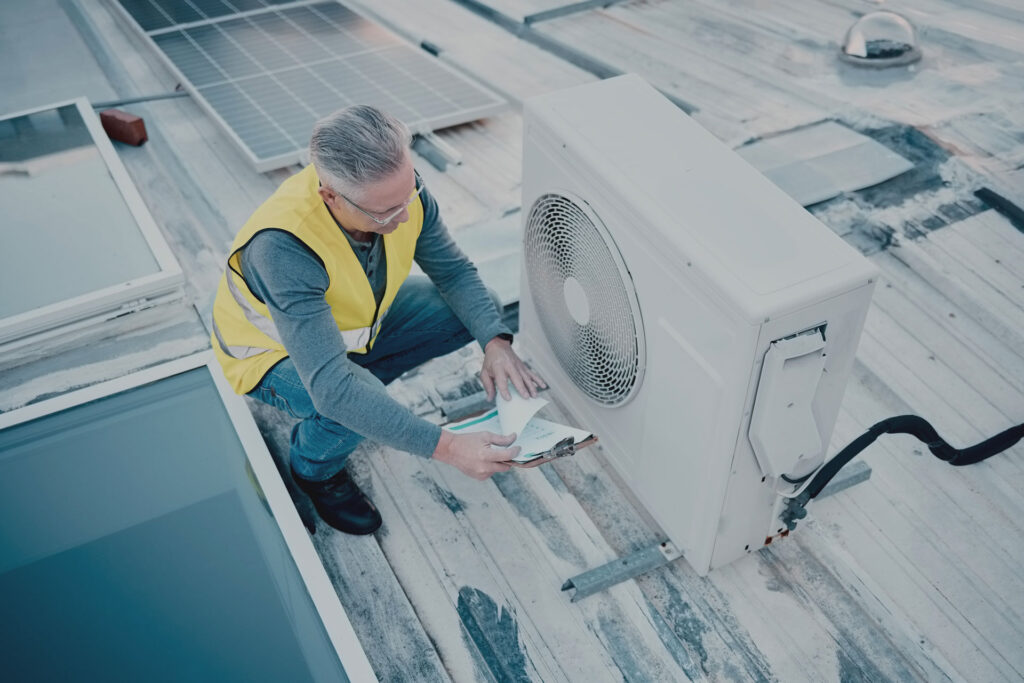
Practical steps include closing blinds, reducing lighting heat, limiting appliance use, and moving staff or customers to cooler zones. In hospitality or healthcare-adjacent settings, they may need portable units, temporary spot cooling, or adjusted service areas. If they rely on server rooms or comms closets, they should prioritise those spaces first. Click here to learn about energy-efficient air conditioning options for NSW properties in 2026.
Which commercial air conditioning systems are most common, and how does that affect repair time?
System type affects repair speed because it changes access, parts, and diagnostic complexity. Simpler systems often return to service faster.
Common Sydney commercial systems include:
- Ducted split systems: often quicker for standard electrical and airflow repairs.
- VRF/VRV systems: efficient and zoned, but diagnostics can take longer and parts can be specialised.
- Packaged rooftop units: access can slow work due to roof permits and safety requirements.
- Chilled water systems: complex plant equipment can increase repair coordination and lead times.
Knowing the system type helps them set realistic expectations and plan temporary measures.
How does preventative maintenance minimise emergency repair callouts?
Maintenance reduces breakdown risk by catching small issues before they interrupt service. It also improves efficiency, which reduces strain during peak demand.
A solid plan typically includes filter changes, coil cleaning, drain inspections, electrical tightening, refrigerant checks, and control calibration. For larger sites, they may add vibration checks, airflow balancing, and scheduled component replacement. The biggest benefit is predictability: they can schedule works instead of reacting to failures during the busiest week of the year.
What can they do to prevent repeat failures after the repair?
Repeat failures often happen when the original fault is fixed but the underlying cause remains. They should treat repairs as a trigger to improve the system, not just restore it.
After the repair, they can ask for root-cause notes, confirm correct airflow, and ensure filters and coils are clean. They can also review thermostat placement, setpoints, and run times. If faults are linked to power quality, they may consider surge protection or electrician review, especially in older buildings or sites with heavy machinery.
How should they plan for air conditioning downtime in high-risk industries?
High-risk industries should assume failures will happen and design continuity plans. This is especially important for hospitality, gyms, childcare, aged care, medical clinics, and IT environments.
They can pre-arrange priority service agreements, keep portable cooling options available, and map which zones must stay operational. They should also define escalation steps for staff, including who approves emergency spend, who contacts technicians, and how they communicate changes to customers quickly.
What is the simplest way to minimise business downtime in Sydney?
The simplest approach is preparation plus fast action. If they monitor early signs, maintain the system, and have a trusted commercial repair contact ready, downtime usually shrinks dramatically.
They can start by logging complaints and system behaviour, scheduling preventative maintenance before summer, and confirming how quickly their provider can respond in Sydney. When a breakdown happens, clear notes, quick isolation, and practical heat-load reduction can keep the business running while repairs restore normal comfort.
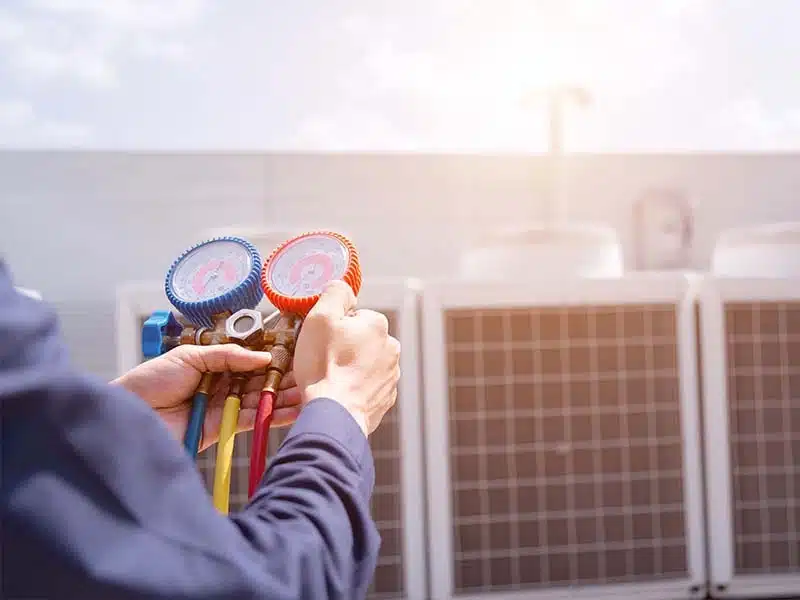
FAQs (Frequently Asked Questions)
What are the common causes of commercial air conditioning breakdowns in Sydney?
Most commercial air conditioning breakdowns in Sydney stem from wear and tear, blocked airflow, electrical faults, or poor maintenance rather than random failures. Factors like Sydney’s dust, coastal salt air, and heavy summer demand accelerate issues such as clogged filters and coils, refrigerant leaks, failed capacitors or contactors, sensor faults, stuck dampers, and worn fan motors.
Which warning signs should businesses urgently address to prevent complete AC failure?
Businesses should treat abnormal noises, unusual odours, weak airflow, uneven temperatures, and sudden spikes in power use as urgent warning signs. Other critical indicators include frequent cycling, water leaks around indoor units, warm air blowing during cooling mode, or complaints concentrated in one zone—especially for ducted and VRF systems where a single zone issue can signal broader problems.
How can businesses respond effectively within the first 30 minutes of an AC breakdown?
In the first 30 minutes after a breakdown, staff should focus on stabilizing the environment and preventing further damage by following a calm checklist. This includes confirming if the issue is isolated or site-wide, checking thermostat settings, noting error codes without repeatedly power-cycling the unit (to avoid compressor stress), clearing obvious airflow blockages if safe, and relocating heat-generating activities away from affected areas.
When is it more cost-effective to repair a commercial air conditioning system rather than replace it?
Repairing is usually smarter when the unit is under 10 to 12 years old with available parts and faults limited to components like fans, controls, sensors, or minor refrigerant issues. Replacement becomes advisable when failures are recurrent or involve major components like compressors or heat exchangers. Energy costs and compliance factors also influence this decision since older systems may be less efficient with harder-to-source refrigerants.
What should businesses ask before booking commercial air conditioning repairs in Sydney?
Businesses should inquire about repair speed (same-day attendance and arrival windows), availability of common commercial parts or supplier access in Sydney, technicians’ experience with their specific brand and system type (ducted, VRF/VRV, chilled water), provision of fault reports with recommendations to prevent repeat failures, and flexibility to schedule work outside trading hours to minimize disruption.
How does preventative maintenance help minimise emergency commercial AC repairs?
Preventative maintenance reduces emergency callouts by identifying small issues before they escalate into breakdowns. It enhances efficiency to lessen strain during peak demand periods. Typical maintenance includes filter changes, coil cleaning, drain inspections, electrical tightening, refrigerant checks, control calibration plus advanced tasks like vibration checks and airflow balancing for larger sites—ensuring predictable scheduling instead of reactive repairs during critical times.