Month: December 2025

Arborist St Ives: Expert Q&A on Tree Pruning in High-Growth, Leafy Suburbs

Why Is Tree Pruning Important in High-Growth Leafy Suburbs Like St Ives?

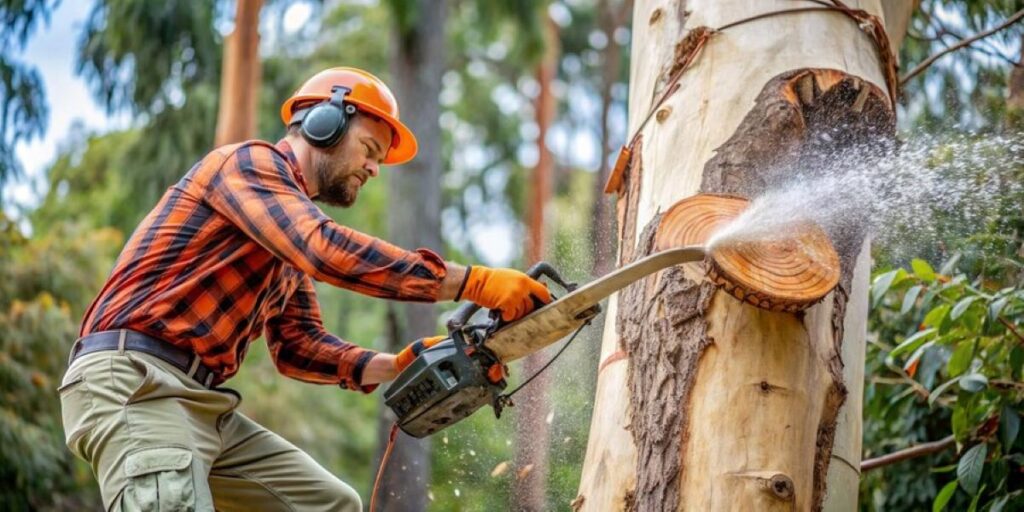
Tree pruning in leafy suburbs like St Ives directly protects tree health, property safety, and neighborhood character. Regular pruning removes dead or diseased branches that would otherwise compromise the entire tree’s vitality and structural integrity.

Protecting Tree Health Through Strategic Branch Removal

Dead and diseased branches act as entry points for pests and pathogens that can spread throughout a tree’s vascular system. When St Ives arborist removes these compromised sections, the tree redirects energy toward healthy growth rather than fighting infection. This targeted removal prevents decay from traveling into the trunk and major limbs.

Disease spreads rapidly in dense suburban canopies where trees grow close together. A single infected branch left unpruned can transmit fungal spores or bacterial infections to neighboring trees through contact or wind dispersal. Professional pruning creates barriers that stop this spread before it affects multiple properties.

Pruning wounds, when made correctly by qualified arborists, heal faster than natural branch breakage. Clean cuts allow trees to compartmentalize damage effectively, sealing off affected areas while maintaining nutrient flow to healthy sections. This process strengthens the tree’s natural defense mechanisms.

Enhancing Air Circulation and Light Penetration

Dense canopies in high-growth leafy suburbs create environments where moisture accumulates and sunlight struggles to reach inner branches. Strategic pruning opens up the canopy structure, allowing air to move freely through the tree. This circulation reduces humidity levels that encourage fungal growth and pest infestations.

Light penetration becomes critical for maintaining photosynthesis throughout the entire tree structure. When inner branches receive adequate sunlight, they produce food for the tree rather than becoming weak, unproductive wood. This balanced growth pattern creates stronger branch unions and more resilient trees.

Ground-level vegetation benefits significantly from improved light filtering through pruned canopies. Gardens beneath mature trees in St Ives can thrive when pruning allows dappled sunlight to reach lawns, flower beds, and understory plantings. This creates healthier, more diverse landscape ecosystems.

Ensuring Property Safety in Residential Areas

Overhanging branches pose serious risks to homes, vehicles, and pedestrians in residential

How Do Professional Arborists Ensure Proper Tree Pruning Without Causing Damage?

Professional arborists protect trees during pruning by applying AQF Level 5 qualifications and decades of hands-on experience to every cut they make. This nationally recognized certification represents the highest standard of arboricultural training in Australia, requiring comprehensive knowledge of tree biology, structural mechanics, and species-specific growth patterns. Arborists holding this qualification understand how trees compartmentalize wounds and can identify the precise locations where cuts will heal most effectively.

What Qualifications Set Expert Arborists Apart?

AQF Level 5 arborists complete extensive training covering:

  • Advanced tree biology and physiology
  • Structural assessment and risk evaluation
  • Species identification and growth characteristics
  • Disease diagnosis and treatment protocols
  • Safe work practices at height

This qualification demands both theoretical knowledge and practical competency assessments. Arborists in St Ives typically bring 25+ years of field experience on top of their formal credentials, allowing them to recognize subtle signs of stress or disease that less experienced practitioners might miss.

Which Techniques Prevent Permanent Tree Damage?

Precision pruning begins with understanding the branch collar—the swollen area where a branch meets the trunk or parent limb. Cuts made outside this collar allow trees to seal wounds naturally through compartmentalization, preventing decay from spreading into the main structure. Arborists avoid flush cuts that remove the collar, as these create larger wounds the tree cannot properly close.

The three-cut method protects bark from tearing on larger branches:

  1. Undercut approximately 30cm from the branch collar, cutting one-third through from below
  2. Top cut slightly further out, removing the branch weight
  3. Final cut just outside the branch collar at the proper angle

Timing matters significantly for proper pruning techniques. Different species respond better to pruning during specific seasons—many deciduous trees benefit from dormant season work, while some eucalypts tolerate year-round maintenance. Expert arborists schedule work based on species requirements and tree health status.

Why Does Experience Matter for Mature Tree Pruning?

Mature trees in St Ives often exceed 15-20 meters
St Ives arborist

What Are the Local Council Regulations Affecting Tree Pruning in St Ives?

St Ives has strict council regulations that require homeowners to get approval before pruning certain trees. The Ku-ring-gai Council, which oversees the area, requires permits for work on trees that exceed specific height and trunk diameter limits, usually those over 5 meters tall or with trunks wider than 300mm.

Tree Preservation Orders (TPOs) protect significant trees throughout the suburb, making it illegal to prune or remove them without explicit permission from the council. These orders are in place to protect trees that are considered important for environmental, historical, or aesthetic reasons. Breaking TPOs can lead to hefty fines and legal action.

Professional arborists understand these rules and carry out thorough evaluations before starting any work. They submit detailed applications that include:

  • Identifying the tree species and providing health reports
  • Explaining why pruning is necessary
  • Including photographs as evidence
  • Providing certificates that show their commitment to being environmentally responsible

Experienced arborists stay up-to-date with any changes in regulations to ensure every project meets legal compliance standards. When needed, they communicate directly with council officers to make the approval process smoother and protect property owners from unintentional violations. Check out more about 5 signs your large trees need immediate assessment.

How Do Arborists Manage Tree Pruning Projects Safely in Residential Areas?

Controlled dismantling techniques form the foundation of safe tree pruning in St Ives’ densely populated neighborhoods. Arborists systematically remove branches in manageable sections, working from the outer canopy inward to maintain balance and prevent unexpected falls. This methodical approach ensures large limbs never drop freely onto gardens, driveways, or neighboring properties.

Advanced equipment transforms high-risk pruning into precision operations:

  • Rigging systems with pulleys and ropes guide branches safely to the ground
  • Crane-assisted removals handle sections too large for manual lowering
  • Wood chippers process debris immediately, minimizing site disruption
  • Protective ground coverings shield lawns and landscaping from impact damage

Risk management strategies begin with comprehensive site assessments before any cutting starts. Experienced arborists identify overhead power lines, underground utilities, and structural vulnerabilities in nearby buildings. They establish exclusion zones around work areas, position spotters to monitor falling debris, and maintain constant communication throughout operations. This multi-layered safety protocol protects both the pruning team and residents during every Arborist St Ives project.

How Tree Pruning Increases Property Value and Neighborhood Appeal

Regular tree pruning directly increases property value by eliminating hazardous deadwood and reducing the risk of falling branches that could damage structures or injure residents. Properties with professionally maintained trees consistently command higher sale prices and attract more buyers in St Ives’ competitive real estate market.

Structural integrity improves dramatically when arborists remove weak or crossing branches that compromise a tree’s stability. Pruned trees develop stronger branch architecture and better weight distribution, creating specimens that withstand severe weather while maintaining their aesthetic form. This visible health signals quality property maintenance to potential buyers and neighbors.

Neighborhood aesthetics benefit when pruning reveals each tree’s natural shape and allows sunlight to reach gardens and streetscapes. Well-shaped canopies create inviting outdoor spaces that enhance the leafy character St Ives residents value. The cumulative effect of maintained trees throughout a street elevates the entire area’s visual appeal, strengthening community pride and property safety standards across residential blocks.

What Other Services Do Arborists Offer Alongside Tree Pruning in St Ives?

Professional arborists in St Ives offer a range of services in addition to tree pruning:

1. Emergency Tree Removal

In cases of storm damage or hazardous trees that require immediate attention, professional arborists provide emergency tree removal services. These urgent interventions protect properties and residents from dangerous situations caused by severe weather events or sudden tree failure.

2. Stump Grinding

Stump grinding is a service that transforms unsightly tree remnants into level ground. This process reclaims valuable garden space for new plantings, lawn extensions, or outdoor entertainment areas. Additionally, stump grinding eliminates tripping hazards and prevents regrowth from old root systems.

3. Mulching

Mulching practices involve turning organic tree waste into nutrient-rich ground cover. This method offers several benefits, such as retaining soil moisture during dry periods, suppressing weed growth naturally, enriching soil quality as material decomposes, and reducing landfill waste through sustainable recycling. You can learn more about the benefits of mulching here.

4. Hedge Trimming

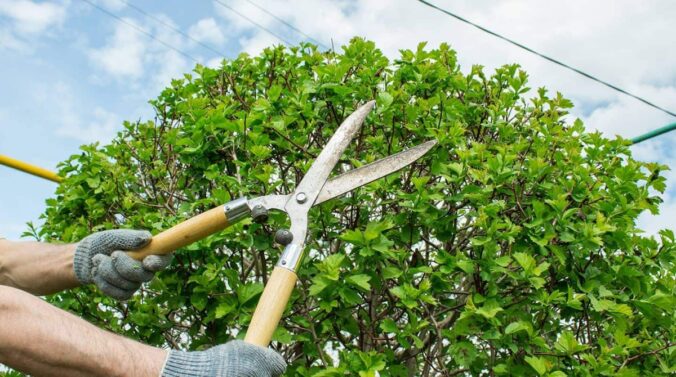
Hedge trimming is another service provided by arborists. It helps maintain privacy boundaries and enhances garden aesthetics through precise shaping and height control. Regular trimming encourages dense growth patterns that create effective visual screens while complementing overall landscape design in St Ives’ leafy residential streets. For more information on the best practices for hedge pruning, you can refer to this resource.

St Ives arborist

How Do Local Arborist Companies Balance Urban Development With Environmental Responsibility?

Environmental responsibility drives every aspect of professional tree care in St Ives. Arborists convert all organic waste into valuable resources—recycling tree waste into mulch or wood chips that residents can use for garden beds, pathways, and landscaping projects. This closed-loop approach eliminates landfill contributions while supporting soil health across the suburb.

Sustainable practices extend beyond waste management. Experienced arborists assess each tree’s ecological value before recommending removal, prioritizing preservation wherever possible. They time pruning work to avoid nesting seasons, protecting local wildlife populations that depend on mature trees for habitat.

Council compliance forms the foundation of responsible tree work. Professional arborists maintain current knowledge of Ku-ring-gai Council regulations, securing necessary permits and documentation before starting projects. This diligence protects clients from fines while preserving St Ives’ character as a high-growth leafy suburb.

The commitment to meeting environmental standards ensures that urban development doesn’t compromise the green canopy that defines the area’s appeal and ecological health.

Arborist Castle Hill: 5 Signs Your Large Trees Need Immediate Assessment

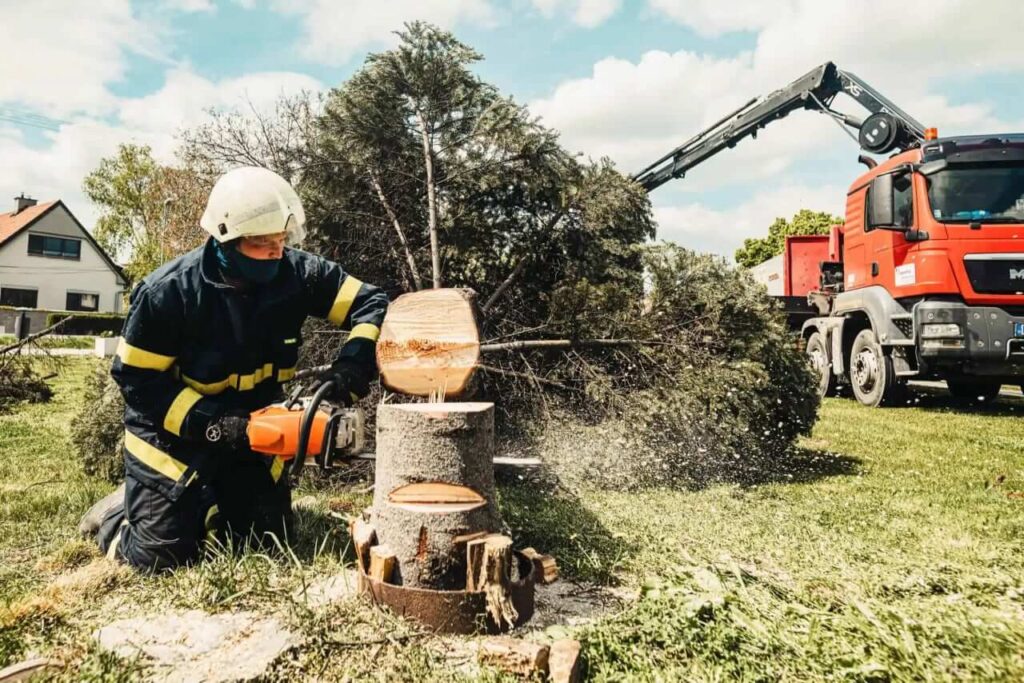
Large trees enhance the beauty and value of properties in Castle Hill, but they require careful maintenance to avoid potential safety hazards. Regular assessments by an arborist can help protect your property and those nearby by identifying issues before they become dangerous. In some cases, when damage or instability is severe, professional tree removal Castle Hill services may be the only safe solution.

Ignoring the health of your trees can lead to serious risks. During storms, unstable trees may fall, dead branches could drop unexpectedly, and internal decay might weaken the tree’s structure without any visible signs. These dangers pose threats to homes, vehicles, power lines, and most importantly, human safety.

This guide will discuss five important warning signs that indicate your large trees need immediate professional attention. By recognizing these signs early on, you can take quick action to prevent expensive damage and possible injuries. Whether you’re facing obvious structural problems or subtle changes in the appearance of your trees, knowing when to contact an arborist in Castle Hill—especially for urgent tree removal Castle Hill situations—can make a significant difference between regular maintenance and emergency responses.

The signs mentioned in this article will act as your early warning system for large tree assessments.

1. What Are the Key Indicators of Structural Instability in Large Trees?

Structural instability occurs when a tree’s physical framework becomes compromised, creating an imminent risk of collapse that threatens property and lives. Large trees showing signs of instability can fail without warning, particularly during storms or high winds.

Signs of Structural Instability

Here are some key indicators that a large tree may be structurally unstable:

  1. Leaning Tree: If a previously upright tree suddenly tilts or shifts position, it may indicate damage to the root system or instability in the soil beneath. A lean exceeding 15 degrees from vertical requires immediate professional evaluation.
  2. Trunk Cracks: Vertical splits or horizontal fractures in the trunk suggest that the tree is experiencing stress and may be tearing itself apart. These cracks weaken the structural integrity and can worsen over time, increasing the risk of failure.
  3. Multiple Trunks with Weak Attachments: Trees with multiple trunks that have weak attachment points are more prone to splitting apart at those natural failure zones.
  4. Hollow Trunk Sections: Areas of decay or large cavities within the trunk significantly reduce its ability to bear weight. Even if the outer part of the trunk appears healthy, internal decay can compromise its strength.
  5. Large Branches with Included Bark: When two branches grow closely together and bark is trapped between them (included bark), it creates a weak point where the branches may eventually split.

It’s crucial to monitor these signs regularly and seek professional assessment if any concerns arise.

2. How Can Dead or Dying Branches Signal Tree Health Issues?

Dead branches serve as visible warnings of tree health decline, indicating the tree’s inability to sustain all its limbs. Large dead or brittle branches appear dry, lack foliage during growing seasons, and snap easily under minimal pressure—clear symptoms that the tree’s vascular system has failed to deliver nutrients to these areas.

Branch drop presents immediate danger to people, vehicles, and structures below. When branches fall without warning or during calm weather, this signals advanced internal decay or disease progression. The unpredictability of these failures makes them particularly hazardous in residential areas.

Castle Hill’s mature tree canopy requires vigilant monitoring for these symptoms:

  • Branches with peeling or missing bark
  • Limbs that produce no leaves or buds in spring
  • Sections showing discoloration compared to healthy growth
  • Sudden appearance of multiple dead zones throughout the canopy

Trees experiencing widespread branch death often suffer from root problems, disease infection, or severe environmental stress. The pattern and location of dead branches help arborists diagnose underlying conditions threatening the entire tree’s survival.

3. Why Should You Address Fungal Growth on Trees Right Away?

Fungal growth is a sign of serious internal decay that weakens your tree’s structure from the inside. When you see mushrooms growing at the base of your tree or notice fungal threads spreading across the bark, it means there is already significant hidden damage happening within the trunk.

Common signs of fungal growth include:

  • Shelf-like mushrooms (conks) sticking out from the trunk or base
  • Soft, spongy patches on the bark surface
  • White, yellow, or brown fungal threads weaving through bark cracks
  • Groups of small mushrooms forming rings around the root area

Fungi feed on the wood’s cellulose and lignin, creating hollow spaces and weakening important structures inside the tree. This internal decay happens quietly, often leaving the outer bark untouched while the core deteriorates. A tree may look healthy on the outside but have dangerously weakened support, making it vulnerable to sudden collapse during storms or strong winds.

To find out how bad the fungal damage is before a disaster happens, it’s best to get a professional assessment. Click here to get more about expert Q&A on tree pruning in high-growth, leafy suburbs.

4. What Are the Consequences of Root Damage in Large Trees?

Root damage compromises both the structural stability and health of large trees, creating serious safety hazards. Damaged roots lose their ability to anchor the tree securely, making it vulnerable to toppling during storms or high winds.

Common causes of root damage include:

  • Construction activities that sever or crush roots during excavation
  • Heavy machinery compacting soil around the root zone
  • Grade changes that bury or expose root systems
  • Root rot disease caused by waterlogged soil conditions

Exposed roots signal significant problems—they indicate soil erosion or improper planting depth, leaving the tree unstable. When roots appear discolored, soft, or emit a foul odor, decay has likely set in. This deterioration directly impacts the tree’s ability to absorb water and essential nutrients from the soil.

Trees with compromised root systems often display above-ground symptoms like wilting leaves, stunted growth, or premature leaf drop. The reduced nutrient uptake weakens the entire tree structure, making it susceptible to disease and pest invasion. A tree with 50% or more root damage faces a significantly shortened lifespan and poses immediate falling risks to nearby structures and people.

tree removal Castle Hill

5. When Should Environmental Stress and Pest Infestation Trigger an Arborist Visit?

Environmental stress shows up as visible changes in the bark and disturbances in the ground that require immediate professional help. Peeling or cracking bark exposes vulnerable inner wood to disease and insects, while soil heaving near the root zone indicates underground pressure from expanding roots or frost damage that destabilizes the tree’s foundation.

Pest infestation becomes critical when you notice these warning signs:

  • Boring insects creating small holes with sawdust accumulation around the trunk
  • Scale insects forming crusty patches on branches and stems
  • Leaf-eating caterpillars causing extensive defoliation during growing season
  • Sap-sucking psyllids producing honeydew and sooty mould on foliage

Trees weakened by drought, extreme temperatures, or poor soil conditions become prime targets for opportunistic pests. The combination of environmental stress and active pest infestation accelerates decline, creating compound damage that a single stressor alone wouldn’t cause. For instance, bark beetles, which preferentially attack drought-stressed eucalypts, rapidly overwhelm the tree’s natural defenses and potentially kill it within months.

How Do Arborists Assess Large Trees for Health and Safety Risks?

Professional arborist assessment techniques begin with systematic visual inspections examining the tree from ground to canopy. Certified arborists evaluate bark condition, branch architecture, leaf density, and overall tree form to identify visible symptoms of decline or damage.

The assessment process includes:

  • Trunk examination – checking for cracks, cavities, wounds, and abnormal growth patterns
  • Crown inspection – analyzing branch distribution, deadwood presence, and foliage health
  • Root zone evaluation – assessing soil conditions, root exposure, and signs of heaving or decay
  • Site context review – considering proximity to structures, utilities, and environmental stressors

Advanced diagnostic tools complement visual inspections when deeper investigation is required. Resistograph testing measures internal wood density to detect hidden decay, while sonic tomography creates images of internal trunk structure. These technologies reveal problems invisible to the naked eye, particularly internal rot or structural weaknesses that compromise tree stability without external symptoms.

What Treatments Can Arborists Recommend After Assessment?

After assessing the condition of a tree, certified arborists can recommend various treatments to address specific issues and ensure the long-term health and safety of the tree. Here are some common interventions they may suggest:

1. Pruning

Pruning stands as the most common intervention, targeting dead limbs, diseased branches, or structurally weak growth to eliminate falling hazards and improve tree health. Certified arborists remove problematic sections using proper cutting techniques that promote healing and prevent further damage. This process often involves tree trimming which is essential for maintaining the health and aesthetics of the tree.

2. Bracing

Bracing systems provide structural support for trees with weak branch unions or splitting trunks. Cable and rod installations redistribute weight and reduce stress on vulnerable areas, extending the tree’s safe lifespan without requiring removal.

3. Disease management

Disease management protocols address fungal infections, bacterial issues, or pest infestations through targeted treatments. Arborists may apply fungicides, implement soil amendments to boost tree immunity, or remove infected tissue to prevent spread to healthy parts.

4. Tree removal recommendations

Tree removal recommendations become necessary when structural integrity cannot be restored. Trees with extensive internal decay, severe root damage, or dangerous lean angles pose unacceptable risks. Professional removal prevents property damage and personal injury while allowing space for healthier replacement plantings.

Why Is Regular Professional Tree Inspection Important for Property Safety?

Can scheduled tree inspections prevent property damage and liability issues? Yes, they can. Regular inspections create a documented risk management strategy that protects both your property and legal interests. Trees identified as high-risk require annual professional assessments to monitor changing conditions, while moderate-risk specimens need evaluation every 2–3 years.

Property safety depends on early detection of hazards before they escalate. A tree showing minor structural weakness today could become a catastrophic failure during Castle Hill’s next storm season without intervention. Professional documentation from certified arborists also demonstrates due diligence if insurance claims or council inquiries arise.

Local regulations compliance often mandates regular tree assessments, particularly for specimens near property boundaries, public spaces, or protected under preservation orders. Castle Hill councils may require inspection records before approving development applications or addressing neighbour disputes. Scheduled assessments ensure you meet these legal obligations while maintaining detailed health records that track changes over time, enabling arborists to identify deteriorating patterns that single inspections might miss.

tree removal Castle Hill

Conclusion

By understanding the five key warning signs—structural instability, dead branches, fungal growth, root damage, and environmental stress—Castle Hill property owners can take action before small problems turn into dangerous situations. Arborist Castle Hill services have the knowledge and experience to accurately identify issues and implement effective solutions that are specific to your trees.

Proactive tree care has clear safety benefits such as preventing property damage, reducing liability risks, and preserving the health of valuable mature trees. If you notice any signs mentioned in Arborist Castle Hill: 5 Signs Your Large Trees Need Immediate Assessment, reach out to a certified arborist right away. Professional help ensures the safety of your investment and family while also maintaining the natural beauty of large trees on your Castle Hill property.

© 2025 Innovation Suk Ltd

Theme by Anders NorenUp ↑