Childcare Centre Cleaning: What Hygiene Standards Must Be Met Daily?

The clearest way to stay compliant is to treat hygiene as a repeatable daily system: clean high-touch points, disinfect the right surfaces at the right times, separate food areas from toileting areas, and document what was done.

What does “daily hygiene standards” mean in a childcare centre?

It means the centre cleans and, where required, disinfects the surfaces and items children and staff touch every day, with extra frequency for higher-risk areas. It also means they follow safe chemical use, correct dilution, and contact times, then record completion.

In practice, daily standards cover: hand hygiene, nappy change and toileting hygiene, food preparation hygiene, toy and sleep equipment hygiene, waste handling, ventilation, and end-of-day reset cleaning.

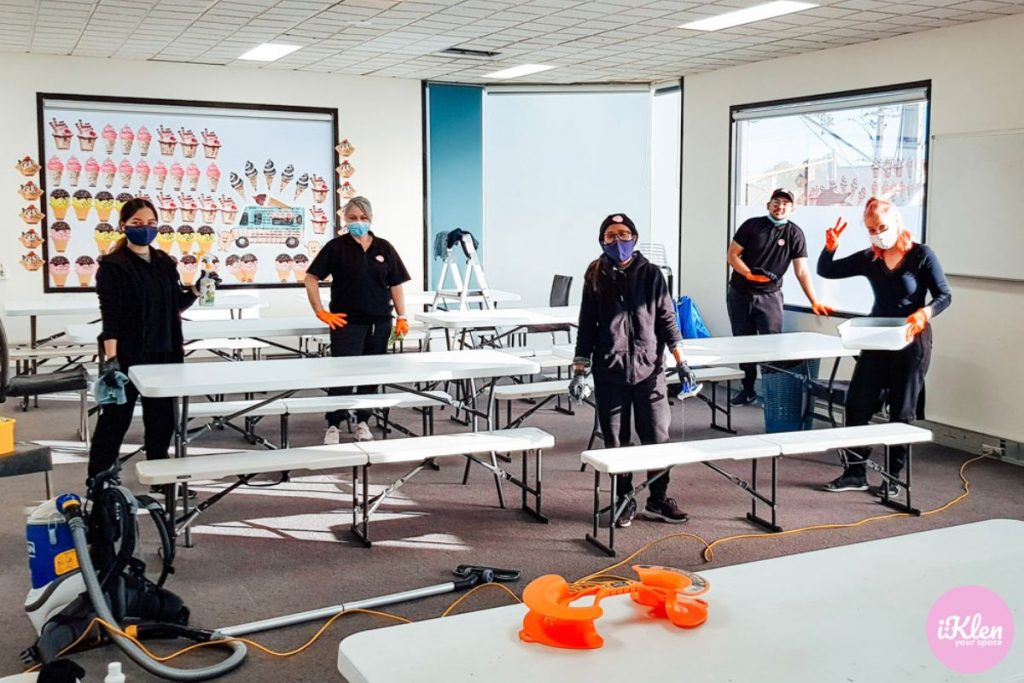
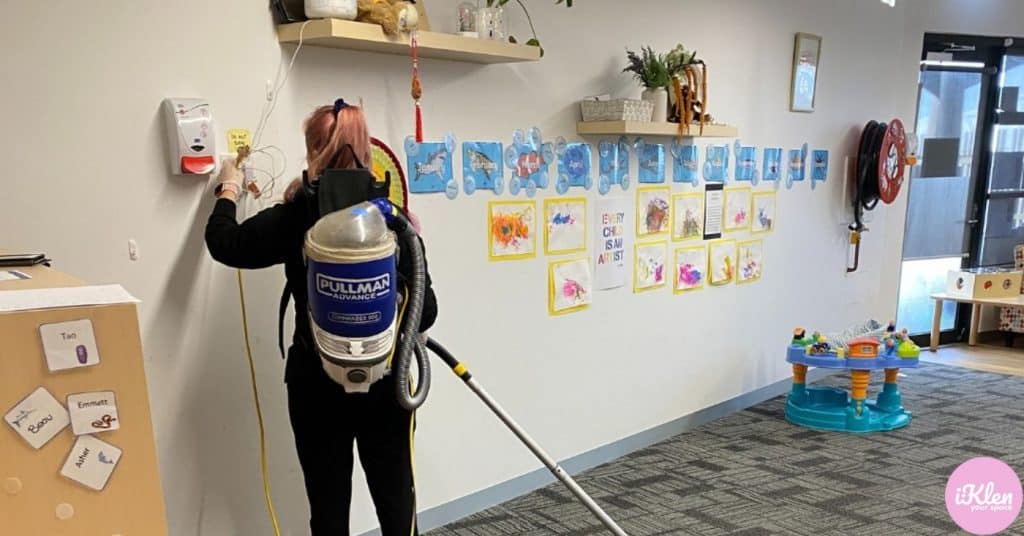
Childcare Centre Cleaning

Which areas must be cleaned and disinfected every day?

They should clean all areas daily, but disinfecting should focus on high-touch and contamination-prone surfaces. Disinfection is most important where germs spread quickly: bathrooms, nappy change stations, eating areas, and frequently handled objects.

Daily essentials typically include:

  • Door handles, light switches, rails, push plates
  • Tap handles, sinks, toilet flushers, bathroom fixtures
  • Nappy change mats and surrounding splash zones
  • Tables, highchairs, meal trolleys, bench tops
  • Shared devices and frequently handled learning resources

What must happen in bathrooms and nappy change areas each day?

They should treat these as the highest-risk zones and clean them repeatedly, not only at close. Surfaces must be cleaned first, then disinfected using a product suitable for the surface and setting, with the stated contact time met.

Daily expectations usually include:

  • Disinfect nappy change surface after every change
  • Clean and disinfect toilets, potty chairs, taps, and floors at least daily and as soiled
  • Stock soap, paper towel, and toilet paper throughout the day
  • Use separate cloths and equipment from kitchen and play areas

What hygiene steps must be followed in food prep and eating areas daily?

They should keep food zones strictly separate from toileting tasks and cleaning tools. Food-contact surfaces must be cleaned and sanitised in a way that is appropriate for kitchens, with a clear routine before and after meals.

Daily must-dos commonly include:

  • Clean and sanitise tables and highchairs before and after each meal
  • Clean food prep benches, handles, and appliances daily and after spills
  • Wash and air-dry dishes and utensils properly, using hot water and detergent or a dishwasher cycle
  • Store cleaning chemicals away from food, out of children’s access

How often should toys and play equipment be cleaned each day?

They should clean toys daily where sharing is heavy, and immediately when items are mouthed, drooled on, or visibly soiled. The key is to match frequency to risk: under-threes, sensory play, and small shared items need the most attention.

A practical daily approach is:

  • Remove mouthed toys for washing and drying before reuse
  • Wipe hard toys and shared surfaces daily, then disinfect if required by policy
  • Launder soft toys used daily, or rotate and launder on a set schedule
  • Clean play mats and frequently used equipment at least daily

What are the daily requirements for sleep and bedding hygiene?

They should ensure every child has clean, individually assigned sleep items and that bedding is protected from cross-contamination. Even when laundering is not daily, centres should still complete daily checks and hygiene controls.

Daily expectations typically include:

  • Wipe down cots and sleep mats daily, and disinfect when soiled
  • Keep bedding labelled to a single child and stored separately
  • Launder any bedding immediately if contaminated with bodily fluids
  • Ensure sleep areas are vacuumed or mopped daily as part of end-of-day cleaning

What hand hygiene and staff practices must be followed daily?

They should treat hand hygiene as the centre’s most important “cleaning tool”. Cleaning schedules fail if staff move germs between tasks, so daily standards include behaviour, not just surfaces.

Typical daily requirements include:

  • Handwashing on arrival, before food handling, after toileting/nappy changes, after wiping noses, and after outdoor play
  • Gloves used correctly for nappy changes and cleaning bodily fluids, then removed safely
  • No shared cloths between zones, with colour coding or clear segregation
  • Cleaning staff and educators following the same infection-control rules

How should bodily fluid incidents be handled on the day?

They should respond immediately, isolate the area, use appropriate PPE, and clean then disinfect. Bodily fluid clean-ups are not “end of day” tasks because they create an active exposure risk.

A daily-ready process usually includes:

  • Put on gloves (and apron/mask if splashing risk)
  • Remove visible soil with disposable towels
  • Clean with detergent and water, then disinfect with correct contact time
  • Bag waste safely and wash hands thoroughly
  • Record the incident and the cleaning action taken
Childcare Centre Cleaning

What cleaning products and tools should be used daily?

They should use childcare-appropriate products, follow label directions, and avoid mixing chemicals. The centre’s policy should specify which products are used for routine cleaning versus disinfection, and how they are stored.

Daily best practice includes:

  • Measured dilution using labelled bottles
  • Separate mops, buckets, and cloths for bathrooms versus kitchens
  • Frequent laundering or disposal of cloths and mop heads
  • Locked chemical storage, with Safety Data Sheets accessible to staff

What should be completed at the end of every day?

They should reset the environment so the next day starts hygienic, stocked, and safe. End-of-day cleaning does not replace daytime hygiene, but it is where floors, bins, and overlooked touch points are fully addressed.

A solid daily close commonly includes:

  • Empty bins, replace liners, and clean bin lids if needed
  • Vacuum and mop floors, especially bathrooms and eating areas
  • Clean and disinfect high-touch points across rooms
  • Restock soap, paper towels, tissues, gloves, and cleaning supplies
  • Secure chemicals and store cleaned tools to dry properly

How can a centre prove daily hygiene standards are being met?

They should document routines, verify completion, and keep records ready for audits and parent questions. A simple checklist is often the difference between “they do it” and “they can prove it”.

Useful daily records include:

  • Room-by-room cleaning checklists with times and initials
  • Nappy change and bathroom cleaning logs
  • Toy cleaning rotation lists and laundering records
  • Incident clean-up records for bodily fluids
  • Notes on product dilution checks and supply restocking

What is the simplest daily checklist a childcare centre can follow?

They can follow a short checklist that prioritises high-risk zones and high-touch surfaces, then build on it as needed. The goal is consistency, not perfection.

A practical daily minimum:

  • Disinfect nappy change surfaces after each use
  • Clean and disinfect bathrooms at least daily and as soiled
  • Sanitise eating surfaces before and after meals
  • Remove and wash mouthed toys immediately
  • Mop/vacuum floors and empty bins at close
  • Complete logs and restock hygiene supplies
Childcare Centre Cleaning

FAQs (Frequently Asked Questions)

What are daily hygiene standards in a childcare centre?

Daily hygiene standards in a childcare centre mean cleaning and disinfecting surfaces and items touched by children and staff every day, with extra attention to high-risk areas. This includes safe chemical use, correct dilution, contact times, and thorough documentation. Key areas covered are hand hygiene, nappy change and toileting hygiene, food preparation hygiene, toy and sleep equipment hygiene, waste handling, ventilation, and end-of-day reset cleaning.

Which areas require daily cleaning and disinfection in childcare centres?

All areas should be cleaned daily, but disinfection focuses on high-touch and contamination-prone surfaces where germs spread quickly. These include bathrooms, nappy change stations, eating areas, door handles, light switches, rails, taps, toilet flushers, nappy change mats, tables, highchairs, meal trolleys, bench tops, shared devices, and frequently handled learning resources.

What specific hygiene practices must be followed in bathrooms and nappy change areas each day?

Bathrooms and nappy change areas are high-risk zones requiring repeated cleaning throughout the day. Surfaces must be cleaned first then disinfected with suitable products meeting contact times. Daily tasks include disinfecting nappy change surfaces after every change; cleaning and disinfecting toilets, potty chairs, taps, and floors at least daily or when soiled; stocking soap, paper towels, and toilet paper; and using separate cloths and equipment from kitchen and play areas.

How should food preparation and eating areas be maintained hygienically each day?

Food preparation zones must be strictly separate from toileting tasks. Food-contact surfaces require appropriate cleaning and sanitising before and after meals. Daily steps include cleaning and sanitising tables and highchairs before/after meals; cleaning food prep benches, handles, appliances daily or after spills; properly washing dishes with hot water/detergent or dishwasher cycles; storing cleaning chemicals away from food out of children’s reach.

How often should toys and play equipment be cleaned in childcare centres?

Toys should be cleaned daily where sharing is heavy or immediately if mouthed, drooled on or visibly soiled. Under-threes’ toys, sensory play items, and small shared objects need more frequent attention. The routine includes removing mouthed toys for washing before reuse; wiping hard toys/shared surfaces daily then disinfecting if policy requires; laundering soft toys used daily or rotating them on a set schedule; cleaning play mats and frequently used equipment at least daily.

What are the essential hand hygiene practices for staff in childcare centres?

Hand hygiene is the most important infection control tool. Staff must wash hands on arrival, before food handling, after toileting/nappy changes, after wiping noses, and after outdoor play. Gloves should be used correctly during nappy changes or bodily fluid clean-ups then removed safely. No shared cloths between zones with colour coding or clear segregation are essential. Both cleaning staff and educators must follow consistent infection-control rules every day.

Reobars vs Standard Steel: Understanding the Differences

This guide explains what each material is, where each one performs best, and how to avoid common specification mistakes.

What is rebar, exactly?

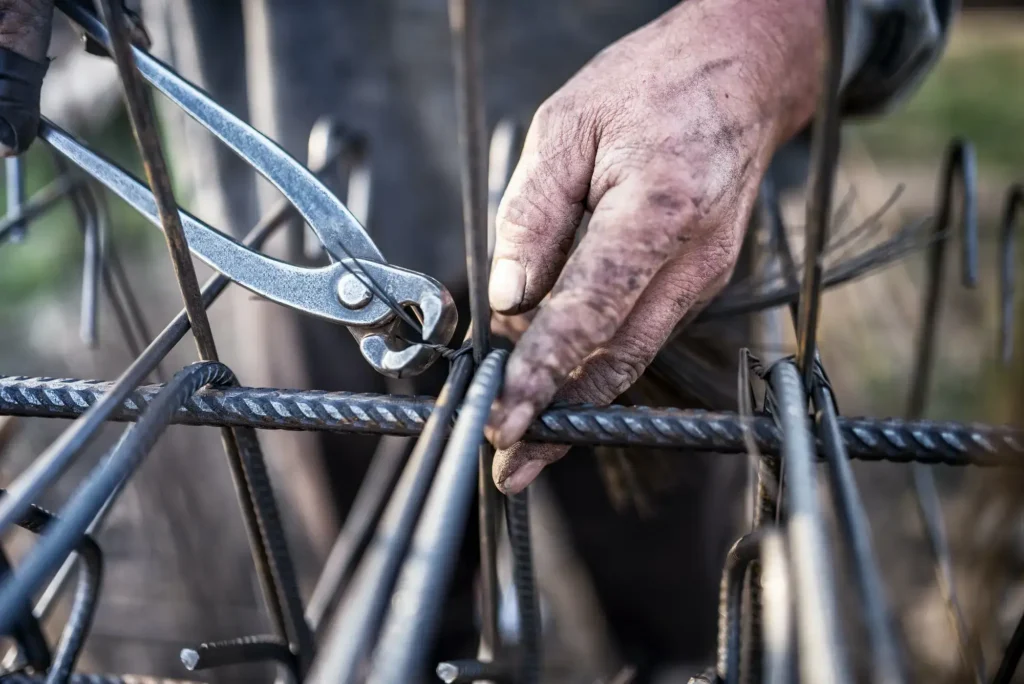
Rebars are steel specifically made to reinforce concrete. It is most often supplied as deformed bars with ridges that mechanically lock into concrete, helping both materials act together under stress.

They are typically specified by diameter, grade, and standard (for example, ASTM or local equivalents). In most structural concrete, rebar is the default reinforcing option because it is purpose-built for bond strength and predictable performance.

What is “standard steel” in construction terms?

“Standard steel” is a broad label that usually refers to structural steel products not primarily intended as concrete reinforcement. That can include plates, angles, channels, I-beams, hollow sections, and sometimes smooth round bars.

They are commonly used to carry loads through a steel frame, to span long distances, or to form brackets, baseplates, and connections. Unlike rebar, their surface and detailing are not designed for strong concrete bonding.

How do rebar and standard steel differ in shape and surface?

Rebar is usually round and deformed, with ribs that improve grip inside concrete. That surface pattern is not cosmetic; it is a major part of why reinforced concrete works.

Standard structural steel comes in many shapes, most of which are smooth or have mill scale rather than ribs. Smooth surfaces can slip in concrete unless they are mechanically anchored, welded to plates, or designed with connectors that transfer force.

How do they differ in purpose and load behavior?

Rebar is mainly used to resist tensile forces in concrete elements such as slabs, beams, columns, and footings. Concrete is strong in compression but weak in tension, so rebar handles the tension while concrete handles compression.

Standard steel is typically used as the main load-carrying member in a steel structure. They often take both tension and compression directly, and designs rely heavily on connections, bracing, and member stability rather than concrete bonding. Check out more about autoclaved aerated concrete.

How do strength grades and ductility typically compare?

Rebar grades are commonly chosen for yield strength and ductility so they perform well under overload and seismic-type demands. In many designs, controlled yielding is a feature, not a failure.

Standard structural steel also comes in grades, but selection often focuses on section properties, buckling resistance, weldability, and connection design. Depending on grade and product type, their ductility and detailing rules can differ from reinforcing steel assumptions.

What standards and specifications usually apply to each?

Rebar is governed by reinforcing steel standards and project reinforcing schedules. They include requirements for bend diameters, splice lengths, hooks, coating types, and placement tolerances.

Structural steel is governed by steelwork and fabrication standards. They include requirements for mill certificates, welding procedures, bolt grades, galvanizing systems, and inspection regimes. Mixing these specification pathways without clarity can cause delays and compliance issues.

How do corrosion risks and protection methods differ?

Rebar corrosion is especially serious because rust expands and can crack and spall concrete, reducing bond and section capacity. That is why projects may specify increased cover, epoxy-coated rebar, galvanized rebar, stainless rebar, or corrosion inhibitors.

Standard steel corrosion usually affects exposed members directly, so protection focuses on paint systems, galvanizing, weathering steel selection, or fire and corrosion coatings. They are typically inspected visually, whereas rebar is hidden and must be protected by design.

When is rebar the better choice?

Rebar is usually the right choice when the element is primarily concrete and needs internal reinforcement. Typical applications include foundations, retaining walls, suspended slabs, beams, columns, and pavements.

They also suit projects where reinforcement cages, spacing rules, and code-based detailing are already established. In those cases, substituting other steel products for rebar can create bond and detailing problems that are hard to justify.

When is standard steel the better choice?

Standard steel is usually better when the structure is intended to be steel-framed, when long spans are required, or when speed of erection and lighter weight are priorities. They are common in warehouses, industrial plants, platforms, stair structures, and portal frames.

They are also a good choice when future modifications are likely, since steel frames can be adapted more easily than reinforced concrete.

Can standard steel replace rebar in concrete?

It can, but it usually should not unless it is engineered and detailed to do so. Smooth round bars or plates do not provide the same bond behavior as deformed rebar, so the design may need anchorage, mechanical connectors, longer development lengths, or different reinforcement layouts.

If they attempt a swap for cost or availability, they risk cracking, slippage, reduced capacity, and inspection rejection. The safe approach is to treat any substitution as a redesign, not a like-for-like replacement.

Reobars

What should they consider for cost, availability, and installation?

Rebar is often cheaper per ton and faster to place in typical reinforced concrete work, especially with standard bar sizes and simple cages. However, labor can increase with congestion, tight spacing, complex bends, or heavy splice requirements.

Structural steel can be cost-effective when prefabrication reduces site labor and schedules are tight. Their costs often shift toward fabrication, transport, cranes, and connection detailing rather than on-site tying and placing. Click here to get more about LVL formwork systems: stronger, straighter, more reliable builds.

How can they choose correctly for a specific project?

They should start by identifying the structural system: reinforced concrete, structural steel, or composite. From there, they should match the material to the load path and the environment, then confirm code requirements for detailing, corrosion protection, and inspection.

If the project is concrete-first, rebar is usually the baseline. If the project is steel-first, standard steel sections typically carry the primary loads, with rebar limited to concrete slabs, cores, or foundations. When in doubt, they should confirm with the structural engineer before procurement.

FAQs (Frequently Asked Questions)

What is the primary function of rebar in reinforced concrete?

Rebar is steel specifically made to reinforce concrete by providing tensile strength. It features deformed bars with ribs that mechanically lock into concrete, allowing both materials to act together under stress, especially resisting tension where concrete alone is weak.

How does standard steel differ from rebar in construction applications?

Standard steel refers to structural steel products like plates, angles, channels, and I-beams used mainly for load-carrying in steel frames. Unlike rebar, standard steel is not designed for strong bonding with concrete and typically carries both tension and compression directly through connections and bracing.

Can standard steel replace rebar in concrete reinforcement?

While standard steel can be used to replace rebar, it usually should not unless engineered and detailed properly. Smooth surfaces of standard steel lack the mechanical bond of deformed rebar, requiring additional anchorage or connectors. Improper substitution risks cracking, slippage, reduced capacity, and inspection failure.

What are the key differences in corrosion protection for rebar versus standard steel?

Rebar corrosion can cause concrete cracking and spalling due to rust expansion, so protection methods include increased concrete cover, epoxy coatings, galvanizing, stainless steel options, or corrosion inhibitors. Standard steel corrosion affects exposed members directly and is managed with paint systems, galvanizing, weathering steels, and inspected visually.

When should a project choose rebar over standard structural steel?

Rebar is preferred when the element is primarily concrete needing internal reinforcement—such as foundations, slabs, beams, columns—and where reinforcement cages and code detailing are established. Rebar ensures proper bond strength and predictable performance within concrete structures.

What factors influence the choice between rebar and standard structural steel in construction?

Choosing between rebar and standard steel depends on the structural system (concrete or steel-framed), load paths, environmental conditions, code requirements for detailing and corrosion protection, cost considerations, availability, installation complexity, and future modification needs. Consulting a structural engineer helps confirm the best option for each project.

LVL Formwork Systems: Stronger, Straighter, More Reliable Builds

At their best, LVL systems reduce rework, improve finish quality, and keep layouts consistent across pours. That is why many contractors choose them when timelines are tight and tolerances matter.

What is an LVL formwork system?

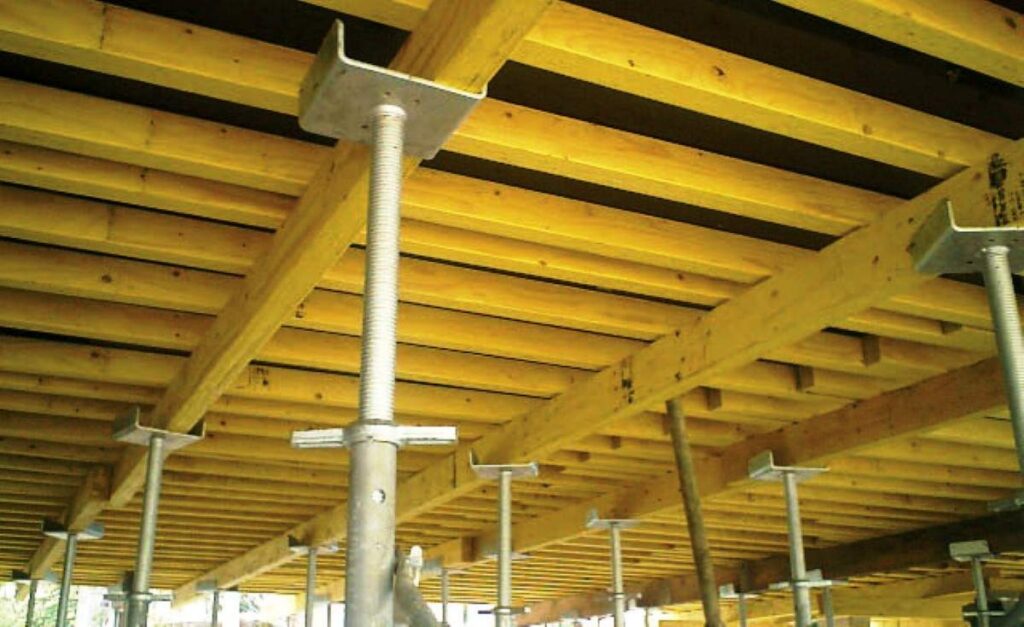
An LVL formwork system uses Laminated Veneer Lumber components, typically beams, joists, and walers, as the structural backbone for concrete shuttering. Because LVL is engineered from thin wood veneers bonded together, it is built to be uniform, predictable, and strong.

They are usually paired with formwork plywood faces, connectors, clamps, and props to create wall and slab formwork that can be cycled across multiple pours.

Why do LVL formwork systems tend to be stronger than traditional timber?

They are stronger largely because LVL is engineered for structural consistency, not cut from a single piece of wood with natural defects. That means fewer weak spots, less variation between members, and more reliable performance under load.

On site, this often translates to better resistance to bending and fewer issues when spans, pour heights, or concrete pressure increase.

How do LVL systems help achieve straighter pours and better finishes?

They help because the members are typically straighter out of the bundle and stay straighter during use. When frames remain true, form faces sit flatter, joints close cleaner, and the concrete finish is more consistent.

They also support repeatable alignment. Crews can set out once, then cycle panels with fewer adjustments, which helps keep walls plumb and edges crisp across floors.

What makes LVL formwork more reliable across multiple reuses?

They are more reliable because LVL holds its shape better than many non engineered timber members, especially when handled repeatedly. When stored and maintained correctly, they can deliver more consistent performance over many cycles.

Reliability is also about predictability. If components behave the same way each time, crews can plan pours with more confidence and fewer last minute fixes.

Where are LVL formwork systems used most often?

They are commonly used in wall formwork, slab and beam decks, columns, and suspended slabs. They suit residential projects, commercial builds, and civil works where repetition and accuracy matter.

They are especially useful when the job needs a modular approach. Standardized LVL beams and accessories can be configured for changing layouts without rebuilding everything from scratch. Check out more about Reobars vs Standard Steel: Understanding the Differences.

What should they look for when choosing an LVL formwork system?

They should look for load ratings, compatibility with existing hardware, and the quality of protective coatings or edge sealing. A strong system is not only about the LVL itself, but also the connectors, clamps, and support layout.

They should also consider local support and availability. If replacement parts and consumables are easy to source, downtime drops and scheduling becomes simpler.

How should LVL formwork be handled and maintained on site?

They should keep LVL members stored off the ground, protected from standing water, and stacked straight to avoid induced bowing. Cleaning concrete residue early helps prevent damage and keeps connections seating properly.

They should also inspect components each cycle. If there are crushed ends, deep splits, or damaged connection points, they should be repaired or removed so the system stays safe and accurate. You may like to visit https://www.safework.sa.gov.au/workplaces/work-tasks-and-projects/formwork to get more about formwork.

lvl formwork

Are LVL formwork systems cost effective?

They can be cost effective because they often reduce labor time, improve reusability, and cut rework from misalignment or poor finishes. Even if upfront material costs are higher than basic timber, the total cost per pour can drop when cycles increase.

They benefit most when projects have repetition. The more times the same panels and beams are reused, the more value they tend to deliver.

What is the bottom line for stronger, straighter, more reliable builds?

They are a practical upgrade for teams that want consistent performance across pours. LVL formwork systems support higher accuracy, better concrete finishes, and more predictable on site outcomes.

When paired with good planning and proper handling, they help crews build faster with fewer corrections, which is often where the biggest savings and quality gains come from.

FAQs (Frequently Asked Questions)

What is an LVL formwork system and why is it preferred on construction sites?

An LVL formwork system uses Laminated Veneer Lumber components as the structural backbone for concrete shuttering. Preferred for its speed, accuracy, and repeatable results, it helps crews pour straighter concrete with fewer surprises while holding up better over multiple cycles than many traditional timber setups.

How does LVL formwork provide stronger and more reliable performance compared to traditional timber?

LVL is engineered from thin wood veneers bonded together, ensuring uniformity and structural consistency. This results in fewer weak spots and less variation between members, offering better resistance to bending and improved reliability under load during concrete pours.

In what ways do LVL systems contribute to straighter pours and higher quality concrete finishes?

LVL members are typically straighter out of the bundle and maintain their shape during use. This keeps form faces flatter and joints cleaner, supporting repeatable alignment so crews can set out once and cycle panels with fewer adjustments, leading to consistent wall plumbness and crisp edges across floors.

Where are LVL formwork systems most commonly used in construction projects?

LVL formwork systems are commonly used for wall formwork, slab and beam decks, columns, and suspended slabs. They are suitable for residential, commercial, and civil projects where repetition, accuracy, and modular adaptability are essential.

What factors should contractors consider when choosing an LVL formwork system?

Contractors should consider load ratings, compatibility with existing hardware, quality of protective coatings or edge sealing, as well as local support and availability of replacement parts. A strong system includes not only high-quality LVL but also reliable connectors, clamps, and support layouts.

How should LVL formwork be handled and maintained on site to ensure longevity?

LVL members should be stored off the ground, protected from standing water, and stacked straight to avoid bowing. Cleaning concrete residue promptly prevents damage. Regular inspections for crushed ends, splits or damaged connection points are vital to maintain safety and accuracy throughout multiple reuse cycles.

Commercial Air Conditioning Repairs Sydney: Minimising Business Downtime

This guide explains how businesses can reduce downtime by spotting early warning signs, responding correctly to breakdowns, and working with repair teams who can restore cooling without dragging disruption across days.

What usually causes commercial air conditioning breakdowns in Sydney?

Most breakdowns come from wear, blocked airflow, electrical faults, or poor maintenance, not “bad luck.” In many cases, the need for commercial air conditioning repairs Sydney services increases because Sydney’s dust, coastal salt air, and heavy summer demand accelerate common problems.

Typical causes include clogged filters and coils, refrigerant leaks, failed capacitors or contactors, sensor faults, stuck dampers, and worn fan motors. Many issues start small, then escalate when systems run longer to compensate. The sooner they catch the pattern, the less likely it becomes a full outage.

Which warning signs should businesses treat as urgent?

The clearest early signals are abnormal noise, odours, weak airflow, uneven temperatures, and sudden spikes in power use. If they act at this stage, repairs are often quicker and cheaper.

They should also watch for frequent cycling, water leaks around indoor units, warm air blowing during cooling mode, or complaints concentrated in one zone. For ducted and VRF systems, a single zone issue can indicate broader control or airflow problems that later affect the whole site.

How can they respond in the first 30 minutes to reduce downtime?

The first half hour should focus on stabilising the environment and preventing further damage. A calm, repeatable checklist helps staff avoid mistakes that extend the outage.

They can start by confirming whether the issue is isolated to a zone or site-wide, checking the thermostat settings, and noting any error codes. They should avoid repeatedly power-cycling the unit, which can stress compressors and electronics. If safe, they can clear obvious airflow blockages and move heat-generating activities away from affected areas.

When is it smarter to repair rather than replace the system?

Repair is usually the right call when the unit is under 10 to 12 years old, parts are available, and the fault is confined to components like fans, controls, sensors, or minor refrigerant issues. Replacement tends to make more sense when failures repeat or when the compressor or heat exchanger is compromised.

They should also consider energy costs and compliance. Older systems can be significantly less efficient, and some refrigerants are increasingly expensive or harder to source. A repair may restore function, but a replacement may reduce ongoing risk and power bills.

How do commercial repair teams diagnose faults quickly on-site?

Good technicians shorten downtime by arriving prepared, gathering the right information, and testing methodically. They usually start with a visual inspection, electrical checks, and system pressures, then confirm airflow and control signals.

For modern commercial setups, they often interrogate control boards, BMS interfaces, and error histories. They may test capacitors, contactors, compressor amperage draw, and thermistor readings. Clear documentation from the business, such as when the fault started and what changed, can remove hours of guesswork.

What should they ask before booking commercial air conditioning repairs in Sydney?

They should ask questions that reveal speed, parts access, and commercial experience, not just price. The goal is a fast, durable fix with minimal disruption to staff and customers.

Useful questions include:

  • Can they attend same day, and what is the realistic arrival window?
  • Do they carry common commercial parts or have quick supplier access in Sydney?
  • Are they experienced with the site’s brand and system type (ducted, VRF/VRV, chilled water, split)?
  • Will they provide a fault report and recommendations to prevent repeat failures?
  • Can they schedule work outside trading hours if needed?

How can they keep operations running while repairs are underway?

Downtime can be reduced by controlling heat load and isolating critical areas. They can use temporary cooling, adjust operations, and protect temperature-sensitive equipment.

commercial air conditioning repairs Sydney

Practical steps include closing blinds, reducing lighting heat, limiting appliance use, and moving staff or customers to cooler zones. In hospitality or healthcare-adjacent settings, they may need portable units, temporary spot cooling, or adjusted service areas. If they rely on server rooms or comms closets, they should prioritise those spaces first. Click here to learn about energy-efficient air conditioning options for NSW properties in 2026.

Which commercial air conditioning systems are most common, and how does that affect repair time?

System type affects repair speed because it changes access, parts, and diagnostic complexity. Simpler systems often return to service faster.

Common Sydney commercial systems include:

  • Ducted split systems: often quicker for standard electrical and airflow repairs.
  • VRF/VRV systems: efficient and zoned, but diagnostics can take longer and parts can be specialised.
  • Packaged rooftop units: access can slow work due to roof permits and safety requirements.
  • Chilled water systems: complex plant equipment can increase repair coordination and lead times.

Knowing the system type helps them set realistic expectations and plan temporary measures.

How does preventative maintenance minimise emergency repair callouts?

Maintenance reduces breakdown risk by catching small issues before they interrupt service. It also improves efficiency, which reduces strain during peak demand.

A solid plan typically includes filter changes, coil cleaning, drain inspections, electrical tightening, refrigerant checks, and control calibration. For larger sites, they may add vibration checks, airflow balancing, and scheduled component replacement. The biggest benefit is predictability: they can schedule works instead of reacting to failures during the busiest week of the year.

What can they do to prevent repeat failures after the repair?

Repeat failures often happen when the original fault is fixed but the underlying cause remains. They should treat repairs as a trigger to improve the system, not just restore it.

After the repair, they can ask for root-cause notes, confirm correct airflow, and ensure filters and coils are clean. They can also review thermostat placement, setpoints, and run times. If faults are linked to power quality, they may consider surge protection or electrician review, especially in older buildings or sites with heavy machinery.

How should they plan for air conditioning downtime in high-risk industries?

High-risk industries should assume failures will happen and design continuity plans. This is especially important for hospitality, gyms, childcare, aged care, medical clinics, and IT environments.

They can pre-arrange priority service agreements, keep portable cooling options available, and map which zones must stay operational. They should also define escalation steps for staff, including who approves emergency spend, who contacts technicians, and how they communicate changes to customers quickly.

What is the simplest way to minimise business downtime in Sydney?

The simplest approach is preparation plus fast action. If they monitor early signs, maintain the system, and have a trusted commercial repair contact ready, downtime usually shrinks dramatically.

They can start by logging complaints and system behaviour, scheduling preventative maintenance before summer, and confirming how quickly their provider can respond in Sydney. When a breakdown happens, clear notes, quick isolation, and practical heat-load reduction can keep the business running while repairs restore normal comfort.

commercial air conditiong repairs Sydney

FAQs (Frequently Asked Questions)

What are the common causes of commercial air conditioning breakdowns in Sydney?

Most commercial air conditioning breakdowns in Sydney stem from wear and tear, blocked airflow, electrical faults, or poor maintenance rather than random failures. Factors like Sydney’s dust, coastal salt air, and heavy summer demand accelerate issues such as clogged filters and coils, refrigerant leaks, failed capacitors or contactors, sensor faults, stuck dampers, and worn fan motors.

Which warning signs should businesses urgently address to prevent complete AC failure?

Businesses should treat abnormal noises, unusual odours, weak airflow, uneven temperatures, and sudden spikes in power use as urgent warning signs. Other critical indicators include frequent cycling, water leaks around indoor units, warm air blowing during cooling mode, or complaints concentrated in one zone—especially for ducted and VRF systems where a single zone issue can signal broader problems.

How can businesses respond effectively within the first 30 minutes of an AC breakdown?

In the first 30 minutes after a breakdown, staff should focus on stabilizing the environment and preventing further damage by following a calm checklist. This includes confirming if the issue is isolated or site-wide, checking thermostat settings, noting error codes without repeatedly power-cycling the unit (to avoid compressor stress), clearing obvious airflow blockages if safe, and relocating heat-generating activities away from affected areas.

When is it more cost-effective to repair a commercial air conditioning system rather than replace it?

Repairing is usually smarter when the unit is under 10 to 12 years old with available parts and faults limited to components like fans, controls, sensors, or minor refrigerant issues. Replacement becomes advisable when failures are recurrent or involve major components like compressors or heat exchangers. Energy costs and compliance factors also influence this decision since older systems may be less efficient with harder-to-source refrigerants.

What should businesses ask before booking commercial air conditioning repairs in Sydney?

Businesses should inquire about repair speed (same-day attendance and arrival windows), availability of common commercial parts or supplier access in Sydney, technicians’ experience with their specific brand and system type (ducted, VRF/VRV, chilled water), provision of fault reports with recommendations to prevent repeat failures, and flexibility to schedule work outside trading hours to minimize disruption.

How does preventative maintenance help minimise emergency commercial AC repairs?

Preventative maintenance reduces emergency callouts by identifying small issues before they escalate into breakdowns. It enhances efficiency to lessen strain during peak demand periods. Typical maintenance includes filter changes, coil cleaning, drain inspections, electrical tightening, refrigerant checks, control calibration plus advanced tasks like vibration checks and airflow balancing for larger sites—ensuring predictable scheduling instead of reactive repairs during critical times.

Energy-Efficient Air Conditioning Options for NSW Properties in 2026

What has changed for energy-efficient air conditioning in NSW in 2026?

In 2026, buyers are more focused on whole-of-home efficiency, not just the unit’s sticker claims. They tend to compare efficiency ratings, zoning control, smart features, and whether the system suits solar, batteries, and time-of-use tariffs.

Many households also prioritise systems that perform well in heatwaves without punishing running costs, which is why demand for air conditioning Sydney solutions continues to grow. That pushes demand toward inverter-driven units, better zoning, and tighter installation standards.

Which air conditioner types are the most energy-efficient for NSW homes?

Inverter split systems are usually the most efficient for cooling individual rooms and small homes. They modulate output instead of cycling on and off, which reduces wasted energy and improves comfort.

For larger homes, ducted reverse-cycle systems can be efficient when zoning is used properly. Without zoning, ducted can waste energy by conditioning unused rooms.

Are inverter split systems still the best value option?

Yes, inverter splits remain the default “best value” option for many NSW properties because they are efficient, widely available, and flexible. They suit bedrooms, living rooms, apartments, and smaller dwellings where ducting is not practical.

They also allow staged upgrades. A household can start with the main living zone and add units later, rather than committing to a full ducted system upfront.

When does ducted air conditioning become the more efficient choice?

Ducted becomes efficient when the property needs whole-home conditioning and zoning is used consistently. With a well-designed layout, an appropriately sized outdoor unit, and sealed ductwork, ducted can deliver strong comfort with reasonable running costs.

It becomes inefficient when they cool empty bedrooms all day, run the system with wide-open zones, or accept leaky ducts in roof spaces. Zoning discipline and installation quality matter as much as the brand.

How much does zoning improve efficiency in ducted systems?

Zoning can significantly cut energy use by conditioning only the rooms in use. In practice, it lets households run smaller “zones” most of the day, then open more areas only when needed.

To work well, their system needs a zoning design that matches daily routines. Oversized zones or poorly placed sensors can reduce the benefit and make the system hunt, short-cycle, or overcool.

What efficiency ratings should NSW buyers look for?

They should prioritise high cooling and heating efficiency ratings rather than focusing only on capacity (kW). A correctly sized unit with stronger efficiency figures will usually cost less to run than a larger, less efficient unit.

They should also compare performance across the likely operating range. Systems that hold efficiency in hot weather can offer better real-world results during NSW summer peaks.

How important is correct sizing for energy efficiency?

Correct sizing is critical because it affects cycling, humidity control, and power draw. An oversized unit may cool too fast, switch off early, and waste energy through frequent starts, while also leaving the air clammy.

An undersized unit can run flat out for long periods, increasing costs and reducing comfort. They typically get the best outcome when a licensed professional performs a room-by-room heat load assessment.

Which options work best for apartments and strata properties?

High-efficiency split systems are usually the most practical option for apartments. They require less invasive work than ducted, can be installed with limited ceiling space, and offer strong efficiency for the rooms used most.

In strata, approval requirements can shape what’s possible. They often need to consider outdoor unit placement, noise limits, condensate drainage, and appearance rules before selecting the system.

Are multi-split systems a smart efficiency upgrade?

Multi-split systems can be efficient when they need several indoor units but have limited space for outdoor units. They reduce clutter and can simplify installation on tight balconies or compact external areas.

They are not always the cheapest to run or repair compared with separate single splits. A fault in the outdoor unit can affect multiple rooms, so reliability and service access should be considered.

air conditioning Sydney

Do smart controls and timers genuinely reduce power bills?

Yes, smart controls can reduce bills when they prevent unnecessary runtime and smooth out peak usage. Scheduling, geofencing, and occupancy-based control can stop the common problem of cooling empty rooms. Click here to learn about commercial air conditioning repairs Sydney: minimising business downtime.

The biggest gains come from simple habits: temperature setpoints, shorter runtimes, and zoning discipline. Smart features help enforce those habits automatically.

What temperature settings are most efficient in NSW summers?

Most households reduce costs by avoiding extreme setpoints. A moderate cooling setpoint usually limits compressor load while still keeping the space comfortable, especially with fans and good shading.

They also save money by pre-cooling strategically and avoiding running the system at maximum during the hottest, most expensive parts of the day when possible.

How do fans, insulation, and shading change the air conditioner they should buy?

These upgrades reduce the cooling load, which can allow a smaller, cheaper-to-run system. Ceiling fans improve perceived comfort, insulation slows heat transfer, and external shading cuts solar gain before it enters the home.

If the building envelope is improved first, they often avoid buying an oversized unit. That can lower both upfront costs and lifetime energy bills.

Are evaporative coolers a good energy-efficient option in NSW?

Evaporative cooling can be energy-efficient in hot, dry conditions, but NSW humidity and coastal climates can limit performance. It may suit some inland areas better than Sydney’s more humid summer days.

They also need to account for water use, maintenance, and the requirement for open windows. For many NSW properties, high-efficiency reverse-cycle remains the more consistent choice.

How do reverse-cycle systems compare for year-round efficiency?

Reverse-cycle air conditioning can be efficient because it provides both cooling and heating. In many NSW homes, replacing resistive electric heaters with reverse-cycle can reduce winter running costs substantially.

For year-round performance, they benefit from a system that is sized correctly for heating as well as cooling. Cold morning performance and defrost behaviour can matter in some regions.

What should NSW property owners ask installers to avoid wasted energy?

They should ask for a heat load calculation, not a guess based on floor area. They should also ask about duct sealing, airflow balancing, sensor placement, and whether zoning is configured to match how the household actually uses rooms.

They should confirm commissioning steps, including pressure testing where relevant and checks for refrigerant charge. Installation quality often determines whether a “high-efficiency” unit performs efficiently.

What are the simplest energy-efficient picks for NSW properties in 2026?

For most properties, a high-efficiency inverter split system in the main living zone is the simplest, lowest-risk upgrade. For larger homes, ducted reverse-cycle with well-designed zoning can be efficient when they commit to using zones properly.

They generally get the best outcome by combining the right system with basic efficiency habits: reasonable setpoints, smart scheduling, good shading, and improved insulation.

air conditioning Sydney

FAQs (Frequently Asked Questions)

What are the key factors for energy-efficient air conditioning in NSW homes in 2026?

Energy-efficient air conditioning in NSW in 2026 depends on choosing the right system type, prioritising high efficiency ratings, and controlling daily operation. The best options include high-efficiency inverter split systems, ducted systems with zoning, and properly sized reverse-cycle heat pumps.

Why have buyers in NSW shifted focus to whole-of-home efficiency for air conditioners in 2026?

In 2026, NSW buyers prioritize whole-of-home efficiency over just unit sticker claims. They compare efficiency ratings, zoning control, smart features, and compatibility with solar, batteries, and time-of-use tariffs. This shift drives demand for inverter-driven units, better zoning, and tighter installation standards to handle heatwaves cost-effectively.

Which air conditioner types offer the best energy efficiency for different NSW home sizes?

Inverter split systems are most efficient for cooling individual rooms and small homes due to their modulating output that reduces wasted energy. For larger homes, ducted reverse-cycle systems with proper zoning can be efficient by conditioning only occupied rooms and avoiding energy waste.

How does zoning improve energy efficiency in ducted air conditioning systems?

Zoning significantly cuts energy use by allowing households to condition only rooms in use. Effective zoning requires a design matching daily routines; otherwise oversized zones or poorly placed sensors can cause short cycling or overcooling. Proper zoning discipline and quality installation are essential for maximizing efficiency.

What role do smart controls and timers play in reducing air conditioning power bills in NSW?

Smart controls reduce power bills by preventing unnecessary runtime and smoothing peak usage through scheduling, geofencing, and occupancy-based control. These features help avoid cooling empty rooms and enforce efficient habits like optimal temperature setpoints and shorter runtimes automatically.

How important is correct sizing of air conditioners for achieving energy efficiency in NSW?

Correct sizing is critical as an oversized unit wastes energy by short cycling and poor humidity control, while an undersized unit runs continuously increasing costs. The best results come from a licensed professional performing a room-by-room heat load assessment to ensure the unit matches the home’s needs accurately.

The Guide to Unbeatable Prices at a Furniture Factory Outlet Sydney

Furniture factory outlet Sydney locations have transformed how savvy shoppers approach furniture shopping, offering direct access to quality pieces at prices that traditional retailers simply can’t match. These warehouse-style destinations cut out the middleman, passing savings of up to 70-80% directly to customers.

Budget-conscious shoppers flock to these outlets for good reason. The combination of factory-direct pricing, clearance stock, and discontinued lines makes a furniture factory outlet sydney a treasure trove of affordable options. Whether furnishing a first apartment or upgrading an entire home, these outlets deliver unbeatable prices without compromising on quality.

The Guide to Unbeatable Prices at a Furniture Factory Outlet Sydney reveals the insider strategies for maximizing savings at these unique shopping destinations. From understanding pricing models to navigating warehouse showrooms, this resource equips shoppers with the knowledge to score exceptional deals.

The appeal extends beyond just low prices. Factory outlets stock everything from contemporary sofas to classic dining sets, outdoor furniture to office essentials. This variety means shoppers can furnish multiple rooms while staying within budget, making these outlets a practical solution for complete home makeovers or single-room refreshes.

How Do Furniture Factory Outlets in Sydney Manage to Keep Their Prices So Low?

Factory outlet pricing works because these businesses eliminate traditional retail markups by sourcing directly from manufacturers and operating in low-overhead warehouse spaces. The warehouse sourcing model means furniture travels straight from production facilities to outlet floors, cutting out middlemen and their associated costs. Click here to learn about where to buy the best 2 seater sofas Australia wide.

High stock turnover drives competitive pricing at these outlets. Warehouses constantly cycle through inventory, making room for new shipments by aggressively discounting existing stock. This rapid movement of products prevents storage costs from accumulating and allows outlets to pass savings directly to customers.

The Economics Behind Warehouse Operations

Discounted furniture Sydney outlets maintain lower operating expenses compared to traditional showrooms. Warehouse locations typically occupy industrial areas where rent costs significantly less than premium retail spaces in shopping centres. Staff numbers remain lean, with sales teams focusing on product knowledge rather than elaborate customer service protocols.

The business model prioritizes volume over margin. Outlets accept smaller profit percentages on individual items because they compensate through sheer sales volume. A traditional furniture store might sell ten sofas monthly at high margins, while a factory outlet moves fifty at reduced margins, ultimately generating greater revenue.

What Gets Sold at Reduced Prices

Factory seconds represent furniture with minor cosmetic imperfections that don’t affect functionality. These pieces might have:

  • Small scratches or dents in non-visible areas
  • Slight colour variations from standard production runs
  • Minor stitching irregularities in upholstery
  • Barely noticeable wood grain inconsistencies

Discontinued lines arrive when manufacturers phase out specific designs or colour schemes. These items meet full quality standards but no longer fit current production catalogues. Outlets purchase entire discontinued collections at steep discounts, offering customers access to quality pieces that simply fell out of fashion cycles.

Clearance stock includes overproduction inventory, cancelled orders, and seasonal items. Manufacturers produce excess quantities to meet projected demand, and when actual sales fall short, this surplus flows to factory outlets. End-of-season outdoor furniture or previous-year bedroom collections regularly appear in clearance sections.

Ex-Display and Photography Samples

Floor models and photography samples contribute to the diverse inventory at reduced prices. These pieces served as display items in showrooms or appeared in catalogue shoots

What Types of Furniture Can Shoppers Expect to Find at These Outlets?

Factory outlets in Sydney stock an extensive variety of furniture Sydney shoppers need for every room in their homes. These warehouses function as one-stop destinations where customers can furnish entire properties without visiting multiple stores.

Living Room Furniture

Sofas dominate the living room selections at most outlets, with options spanning multiple configurations and materials. Modular lounges allow buyers to customize their seating arrangements to fit unique floor plans, while corner sofas maximize space in smaller apartments. Leather lounges bring a premium aesthetic at factory-direct prices, and sofa beds serve dual purposes for homes that need flexible guest accommodations.

Coffee tables, entertainment units, and accent chairs complement the seating options. Many outlets display complete living room setups that help shoppers visualize how pieces work together in real spaces.

Bedroom Furniture

Bedroom sets available at factory outlets include both timber and upholstered bed frames in sizes from single to king. Timber frames often feature classic designs in oak, pine, or walnut finishes, while upholstered options come in neutral fabrics or statement colors with button tufting or wingback details.

Mattresses represent another significant category, with outlets stocking pocket spring, memory foam, and hybrid models at various firmness levels. Matching bedroom furniture like bedside tables, tallboys, dressers, and wardrobes complete the range. Storage beds with built-in drawers appeal to space-conscious buyers.

Dining Room Collections

Dining tables come in rectangular, round, and extendable formats to accommodate different household sizes and entertaining needs. Materials range from solid timber to glass-topped designs with metal or wooden bases. Factory outlets typically pair these tables with matching chair sets, though mix-and-match options exist for those seeking eclectic styles.

Buffets, sideboards, and display cabinets provide storage solutions for dinnerware and serving pieces. Bar stools and breakfast nook sets cater to casual dining spaces and kitchen islands.

Office Furniture

Home office furniture selections have expanded significantly as remote work becomes more common. Desks range from compact writing tables to expansive executive models with multiple drawers and cable management systems. Corner desks maximize awkwardly shaped rooms while standing desks promote healthier work habits.

Furniture Factory Outlet

Ergonomic chairs support long hours spent working or studying at home. Bookshelves and file cabinets offer additional storage options for organizing documents and supplies.

How Do Pricing Discounts Work at Furniture Factory Outlets?

Furniture factory outlets achieve their discounted prices Sydney furniture through several strategic pricing mechanisms. These retailers eliminate traditional retail markups by selling directly from the warehouse, passing savings of 40-80% to customers compared to department store prices.

Why Are Items Marked Down?

Seasonal stock turnover drives many of the price reductions at factory outlets. Manufacturers regularly refresh their collections, creating opportunities for shoppers to purchase previous season’s designs at steep discounts. A dining table from last year’s collection functions identically to current models but costs significantly less simply because retailers need floor space for new arrivals.

Factory seconds discounts apply to pieces with minor cosmetic imperfections that don’t affect functionality. These might include:

  • Small scratches or dents on timber surfaces
  • Slight colour variations in upholstery fabric
  • Minor stitching irregularities on leather sofas
  • Barely noticeable chips on corners or edges

A leather lounge with a small mark on the back cushion might retail for $3,000 but sell for $1,200 as a factory second—the imperfection remains hidden once positioned against a wall.

What Discount Ranges Can Shoppers Expect?

Clearance sales represent the deepest discounts available. Ex-display pieces typically offer 50-70% off original prices since they’ve served as showroom samples. A $2,500 bedroom suite displayed for three months might clear at $875, showing minimal wear from customer browsing.

Discontinued lines generally feature 40-60% markdowns. When manufacturers stop producing specific designs, outlets liquidate remaining inventory at aggressive prices. A modular lounge system being phased out could drop from $4,000 to $1,600.

Standard outlet pricing on new, current-season items still provides 30-40% savings compared to traditional retailers. This baseline discount reflects the warehouse model’s lower overhead costs—no expensive shopfronts, reduced staffing, and minimal marketing expenses.

How Do Different Product Categories Compare?

Upholstered furniture often sees the highest percentage discounts. Sofas, armchairs, and ottomans marked as factory seconds can reach 70-80% off original prices due to their relatively low production costs and high demand in the market.

Wooden furniture, on the other hand, typically experiences more moderate markdowns ranging from 40-60%. Solid timber pieces such as dining tables and bed frames may have higher manufacturing expenses but retain their value better over time.

Metal and glass furniture usually falls within the standard outlet pricing range of 30-40% off. Items like coffee tables or shelving units made from these materials tend to have consistent production costs regardless of design changes.

Understanding these discount patterns across different product categories can help shoppers make informed decisions when shopping at furniture factory outlets.

What Is the Shopping Experience Like at a Furniture Factory Outlet in Sydney?

The shopping experience Sydney outlets offer differs dramatically from traditional furniture stores. Warehouse-style showrooms feature expansive open spaces with high ceilings, concrete floors, and rows of furniture displayed in a more industrial setting rather than carefully staged room vignettes.

The Warehouse Atmosphere

Factory outlets prioritize function over fancy displays. Products sit directly on the warehouse floor, often with tags showing original retail prices alongside outlet prices. The lighting tends to be practical rather than ambient, and you’ll notice forklifts occasionally moving stock in the background. This raw environment reflects the business model—lower overhead costs translate to lower prices for shoppers.

Some outlets organize furniture by category (all sofas in one section, dining sets in another), while others group items by discount level or arrival date. Clearance zones typically occupy corner areas where the deepest discounts hide among mixed inventory.

Navigating the Space Effectively

Start with a clear plan before entering. Measure your space at home and bring those dimensions on your phone or paper. Warehouse shopping tips include:

  • Walk the entire showroom first to get a sense of available inventory
  • Check multiple sections—similar items may appear in different areas at varying prices
  • Look for floor tags indicating “clearance” or “last piece” for maximum savings
  • Ask staff about incoming shipments if you don’t find what you need

Inspect items thoroughly since many pieces are ex-display or factory seconds. Run your hands along seams, check drawer mechanisms, and sit on sofas to test comfort. Minor scratches or dents often account for significant price reductions but won’t affect functionality.

Working with Sales Staff

Experienced staff members know the inventory inside out. They can locate specific styles not visible on the floor or alert you to upcoming stock arrivals. These team members often have access to warehouse systems showing additional pieces in storage areas not accessible to customers.

Don’t hesitate to negotiate, especially on floor models or items with cosmetic flaws. Sales staff may offer additional discounts to move older inventory, particularly near month-end when new stock arrives.

The First-Come-First-Served Reality

Popular items disappear quickly at factory outlets. That leather sofa marked at 70% off might not be there tomorrow. However, it’s crucial to understand that not all outlet deals are as great as they seem. Some may be misleading, with prices not significantly lower than regular retail prices. Therefore, it’s essential to do thorough research and understand the deal details before making a purchase.

How Are Delivery and Returns Handled at These Outlets?

Most furniture factory outlets in Sydney provide delivery services Sydney furniture outlets to customers throughout the metropolitan area and surrounding regions. The delivery fees typically depend on three main factors: the weight of your furniture, the size of the items, and your delivery location. Expect to pay anywhere from $50 to $200 for standard deliveries within Sydney’s inner suburbs, with costs increasing for larger items or more distant locations.

Delivery timeframes vary between outlets but generally range from 3-7 business days for in-stock items. Some warehouses offer express delivery options for an additional fee, which can reduce waiting times to 1-2 days. Certain outlets provide free delivery on purchases exceeding a minimum threshold, often around $1,000-$1,500, making this an attractive option for customers furnishing entire rooms or multiple spaces.

What You Should Know About Delivery Scheduling:

  • Most outlets require someone 18 years or older to be present to accept delivery
  • Delivery teams typically contact you 24-48 hours before arrival to confirm the time window
  • White glove services (assembly and placement) may cost extra but are available at many locations
  • Some outlets offer weekend delivery slots, though these often come with premium charges

Return policies factory outlets implement specific conditions to balance customer satisfaction with business protection. Most outlets accept returns within 7-14 days of delivery, provided the furniture remains in its original condition with tags attached and packaging intact. Items showing signs of use, assembly, or damage typically fall outside return eligibility.

The return process usually requires:

  • Proof of purchase (receipt or invoice)
  • Original packaging materials
  • Photographic evidence of any defects or damage
  • Advance notification to the outlet before returning items

Factory seconds and clearance items often carry as-is policies with limited or no return options. These pieces are sold at steeper discounts specifically because they may have minor cosmetic imperfections or represent discontinued lines. Outlets clearly mark these items in-store and online, ensuring customers understand the purchase terms before committing.

Common Exclusions from Return Policies:

Custom-ordered furniture built to specific dimensions or fabric choices generally cannot be returned unless the outlet made an error in production. Mattresses and upholstered items may have

Are There Special Sales or Events That Offer Additional Savings Opportunities?

Yes, many furniture factory outlets in Sydney host special event sales throughout the year, offering discounts that go beyond their already competitive everyday prices. These event sales Sydney furniture outlets organize typically coincide with public holidays, end-of-financial-year periods, or store anniversaries, where shoppers can find markdowns of up to 80% on selected items.

Warehouse clearance weekends represent the most significant savings opportunities at these outlets. Larger factories schedule these events several times annually, usually during long weekends or holiday periods like Easter, Queen’s Birthday, and Australia Day. During these events, outlets clear out accumulated overstock, discontinued lines, and ex-display pieces to make room for new inventory.

The timing of these sales follows predictable patterns:

  • January sales clear out Christmas stock and previous year’s inventory
  • Mid-year sales (June-July) align with financial year-end clearances
  • Black Friday/Cyber Monday events feature online and in-store promotions
  • Boxing Day sales offer some of the steepest discounts of the year
  • Anniversary sales celebrate store milestones with exclusive pricing

Some outlets operate VIP customer programs that provide early access to sale events, additional percentage discounts, or exclusive preview days before public sales begin. Signing up for email newsletters ensures you receive advance notice of upcoming events, sometimes with special promo codes for extra savings.

Flash sales occasionally appear with little warning, particularly when outlets need to move specific items quickly. These unannounced sales may last only 24-48 hours and focus on particular categories like bedroom furniture or outdoor settings. Following outlets on social media platforms helps shoppers catch these time-sensitive opportunities.

The Guide to Unbeatable Prices at a Furniture Factory Outlet Sydney becomes even more valuable during these events, as combining already-reduced outlet prices with event discounts creates exceptional value. Some outlets stack promotions, allowing customers to apply sale pricing on top of clearance markdowns for maximum savings.

Furniture Factory Outlet

Conclusion

Shopping at a furniture factory outlet in Sydney offers great value with significant discounts and a wide range of products to choose from. These warehouse-style stores are the go-to place for affordable quality furniture Sydney residents can trust, whether you’re setting up your first apartment or renovating your entire home.

With prices directly from the factory, clearance items, and display models being sold off, you have the opportunity to find high-end furniture at prices 50-80% lower than regular retail. And the best part? You don’t have to compromise on quality or design—outlets have everything from modern modular sofas to timeless wooden dining sets.

Here are some key advantages of shopping at a furniture factory outlet in Sydney:

  • Access to overstocked items and discontinued collections directly from the manufacturer
  • Significant savings on minor cosmetic flaws that don’t affect how the furniture works
  • A wide selection of all types of furniture and different design styles
  • Flexible shopping options with both physical warehouses and online platforms available

To truly understand the value of a furniture factory outlet, visit one near you. By walking through the showroom, you can closely examine each piece, test its comfort level, and stumble upon unique items that may not be listed online. The sales staff can also point you towards hidden treasures and provide immediate information about stock availability.

If convenience is what you prefer, many outlets now have well-established online stores with detailed product images and specifications. This allows you to browse through their inventory from the comfort of your own home, compare different options, and arrange for delivery without having to visit any physical locations.

Whether you decide to shop in person or online, furniture factory outlets are Sydney’s smartest choice for furnishing any space without going over budget. Start exploring these retailers today and give your living areas a makeover with stylish pieces at prices that make sense.

Where to Buy the Best 2 seater sofas australia Wide

Why Should You Invest in a Quality 2 Seater Sofa for Your Australian Home?

A quality 2 seater sofa delivers the perfect balance of comfort and space efficiency for Australian homes. These compact sofas provide comfortable seating for two people without overwhelming your living area, making them ideal investments for modern living spaces.

Apartment dwellers and homeowners with smaller living rooms benefit most from 2 seater sofas australiater. The reduced footprint allows you to maximize floor space while maintaining a stylish, functional seating area. These comfortable two-seaters fit seamlessly into cozy corners, reading nooks, or as complementary pieces alongside larger furniture.

Versatility in Design

When searching for where to buy the best 2 seater sofas Australia wide, you’ll discover options spanning:

  • Classic designs with timeless appeal
  • Coastal styles perfect for beachside homes
  • Hamptons aesthetics for elegant interiors
  • Industrial looks suited to urban lofts
  • Mid Century pieces for retro enthusiasts
  • Modern minimalist designs
  • Rustic charm for country homes
  • Scandi simplicity for clean spaces

Upholstery Choices for Every Lifestyle

Upholstery choices accommodate different lifestyles and preferences. Fabric options offer softness and breathability for Australian living rooms, while leather provides durability and easy maintenance. PU/Faux leather alternatives deliver leather aesthetics at accessible price points. Rattan and wicker selections bring natural textures to indoor and outdoor spaces.

A Palette of Colors

Color palettes range from neutral beige and sophisticated black to calming blue and statement red. This variety ensures your two-seater complements existing décor while reflecting your personal style preferences.

Where Can You Find the Best Selection of 2 Seater Sofas Across Australia?

The Australian furniture market has many specialized retailers where you can find a wide range of 2 seater sofas. These furniture stores across Australia offer options for every budget, from affordable pieces to high-end designer selections, ensuring that every homeowner can find their perfect match.

1. OZ Design Furniture

OZ Design Furniture is one of the leading Australian sofa retailers with a wide range available in multiple states. Their showrooms feature hundreds of 2 seater configurations in eight different design styles, including Classic and Scandi aesthetics. You can find their physical locations in New South Wales, Queensland, Victoria, South Australia, and the Australian Capital Territory.

2. Nick Scali

Nick Scali is known for its contemporary designs that appeal to modern Australian homes. Their stores in major cities showcase sleek silhouettes and clean lines that perfectly complement minimalist interiors.

3. Plush Sofas

Plush Sofas stands out with its wide variety of colors, offering an extensive selection of both fabric and leather upholstery options. Their collection is ideal for customers who are looking to match specific colors in their existing décor schemes.

4. IKEA Australia

IKEA Australia provides affordable options for budget-conscious shoppers without compromising on style. Their fabric two-seaters combine Scandinavian design principles with practical functionality.

5. Koala

Koala focuses on the contemporary market by designing sofas specifically for modern Australian living. Their direct-to-consumer model eliminates showroom costs, allowing them to pass on savings to customers while maintaining high-quality standards.

6. Obodo

Obodo curates exclusive designer pieces for discerning buyers who seek unique statement furniture. Their selection includes limited-edition designs from renowned Australian and international designers.

7. Freedom Furniture

Freedom Furniture prioritizes durability and uses premium materials, appealing to customers who view furniture as long-term investments. Their two-seaters undergo rigorous testing to withstand Australian climate conditions.

Shopping from established best sofa shops ensures that you have access to quality craftsmanship backed by warranties and excellent customer service. Reputable retailers employ skilled artisans who understand Australian manufacturing standards and use materials suited to local conditions. These stores provide detailed product specifications, allowing you to make informed decisions about frame construction, cushion density, and upholstery durability.

Nationwide availability through both physical showrooms and online platforms ensures that these sofa options are accessible regardless of your location in Australia. Many retailers also offer delivery services extending to various areas across the country.

Which Retailer Stands Out for Their Extensive Range and Customization Options?

OZ Design Furniture leads the Australian market with an unmatched selection of customizable sofas Australia residents can tailor to their exact preferences. Their two-seater collection spans an impressive color palette that accommodates every design vision, from timeless beige and sophisticated black to serene blue and statement-making red.

What Design Styles Does OZ Design Furniture Offer?

The retailer’s diverse sofa styles cover eight distinct aesthetic categories, ensuring compatibility with virtually any home interior. Their collection includes:

  • Classic: Traditional silhouettes with refined details perfect for heritage homes
  • Coastal: Light, breezy designs that capture Australia’s beach culture
  • Hamptons: Elegant pieces featuring crisp lines and sophisticated neutrals
  • Industrial: Raw, edgy styles with exposed frames and urban appeal
  • Mid Century: Retro-inspired designs with tapered legs and clean geometry
  • Modern: Sleek, contemporary pieces with minimalist sensibilities
  • Rustic: Warm, textured options that bring natural charm indoors
  • Scandi: Nordic-influenced designs emphasizing simplicity and functionality

How Extensive Are Their Upholstery Choices?

OZ Design Furniture provides four primary upholstery categories to match different lifestyle needs. Fabric options deliver softness and breathability, while genuine leather offers luxury and longevity. PU/Faux leather alternatives provide leather aesthetics at accessible price points, and Rattan/Wicker selections introduce natural texture for relaxed settings.

What Customization Features Set Them Apart?

The retailer distinguishes itself through Australian made products that support local craftsmanship while meeting stringent quality standards. Their slip cover options allow homeowners to refresh their furniture’s appearance without purchasing entirely new pieces, extending the lifespan of their investment while adapting to evolving interior trends.

Can You Adjust Comfort Levels?

OZ Design Furniture recognizes that comfort preferences vary significantly between individuals. Their two-seater range includes options spanning from firm support for those requiring structured seating to plush, soft cushioning for maximum relaxation. This attention to ergonomic variety ensures customers find their ideal level of comfort in every piece.

What Other Notable Retailers Provide Quality Two-Seater Sofas?

1. Plush Sofas Australia

Plush Sofas Australia delivers an impressive collection of two-seater sofas with extensive fabric and leather color options that cater to diverse aesthetic preferences. Their range includes everything from neutral tones to vibrant hues, allowing customers to find pieces that complement existing décor. The retailer emphasizes quality upholstery materials that balance visual appeal with long-term durability.

2 seater sofas

2. Nick Scali

Nick Scali sofas have earned recognition for their contemporary design approach and modern aesthetic sensibilities. Their two-seater collections feature clean lines, sophisticated silhouettes, and on-trend styling that appeals to homeowners seeking current furniture designs. The brand maintains a reputation for quality construction paired with fashion-forward looks. Click here to learn about the guide to unbeatable prices at a furniture factory outlet Sydney.

3. IKEA

IKEA two-seaters Australia provide budget-conscious shoppers with accessible fabric sofa options without compromising on basic quality standards. Their straightforward designs work well in various settings, from student apartments to starter homes. The Swedish retailer’s flat-pack model keeps costs manageable while offering practical seating solutions.

4. Koala

Koala specializes in contemporary styles specifically designed for modern Australian living spaces. Their two-seater sofas incorporate innovative features like modular configurations and easy-clean fabrics that suit busy lifestyles. The brand focuses on comfort technology alongside sleek aesthetics that resonate with younger demographics.

5. Obodo

Obodo curates exclusive designer sofa offerings that appeal to discerning customers seeking unique statement pieces. Their collection features collaborations with renowned designers and limited-edition releases that stand apart from mainstream furniture options. The retailer positions itself in the premium market segment with distinctive styling.

6. Freedom Furniture

Freedom Furniture rounds out the options with premium durable two-seaters built to withstand daily use in active households. Their sofas combine robust frame construction with high-quality upholstery materials designed for longevity. The brand emphasizes both aesthetic appeal and practical resilience in their furniture engineering.

When searching for where to buy the best 2 seater sofas Australia wide, these retailers collectively offer comprehensive choices spanning different price points, design philosophies, and quality tiers. Each brings distinct strengths to the market, whether through customization flexibility, modern design focus, affordability, or premium craftsmanship.

How Do These Retailers Ensure Quality and Comfort in Their Two-Seater Sofas?

Quality craftsmanship is a top priority for Australian retailers when it comes to sofas. They achieve this by following strict construction standards and implementing thorough quality checks throughout the manufacturing process.

What Construction Methods Define Quality Two-Seater Sofas?

One key aspect of quality sofa construction is the use of eight-way hand-tied spring systems. This traditional technique, employed by retailers like Nick Scali and Freedom Furniture, ensures responsive support that maintains its shape over time. Additionally, corner blocks are glued and screwed into place to reinforce stress points where the arms meet the frame.

Another important factor is the use of double-dowelled joints instead of stapled connections. Premium retailers highlight this joinery method in their product descriptions, indicating their commitment to longevity. Furthermore, webbing underneath the cushions, when properly tensioned, prevents sagging and extends the functional lifespan of the sofa.

How Do Retailers Cater to Different Comfort Preferences?

When it comes to comfort, sofas can vary in terms of firmness. Retailers categorize their sofas based on comfort level to help customers find their preferred seating option:

  • Firm seating: High-density foam cores (35-40 kg/m³) with minimal fiber wrap, ideal for those seeking back support
  • Medium comfort: Layered foam construction with fiber batting, balancing support and softness
  • Soft seating: Down-blend cushions or low-density foam wrapped in generous fiber layers for sink-in comfort

Plush Sofas and Koala are two brands that provide detailed comfort ratings on their product pages. This allows customers to compare different options before making a purchase decision. Additionally, seat depth measurements typically range from 55cm to 65cm, accommodating various body types and preferences.

What Measures Do Retailers Take to Ensure Durability?

Australian consumers expect durability in their furniture, especially considering the country’s diverse climate conditions. Retailers address this concern by using specific materials and techniques that can withstand these challenges:

  • UV-resistant fabrics: These fabrics are designed to resist fading caused by harsh sunlight exposure, making them suitable for outdoor or sunlit areas.
  • Moisture-resistant treatments: Coastal homes often experience high humidity levels, which can lead to mold or mildew growth on furniture. Retailers apply moisture-resistant treatments to prevent such issues.
  • Reinforced joinery techniques: Stress points in the sofa’s structure are reinforced using techniques like dowel joints or corner blocks, ensuring strength and stability over time.

Many brands also offer warranties ranging from 5 to 10 years on structural components as a demonstration of confidence in their construction methods. This further assures customers about the durability of their purchased sofas.

Where Can Customers Find These Retailers Across Australia?

Are these furniture stores locations Australia accessible in major cities and regional areas? Yes, leading two-seater sofa retailers maintain extensive physical presence across Australia’s most populated states. OZ Design Furniture operates showrooms throughout New South Wales, Queensland, Victoria, South Australia, and the Australian Capital Territory, making it convenient for customers to view and test sofas in person before purchasing.

Which states have the best coverage for buying sofas nationwide? New South Wales and Victoria host the highest concentration of furniture showrooms, with multiple locations in Sydney and Melbourne metropolitan areas. Queensland follows closely with stores in Brisbane, the Gold Coast, and Sunshine Coast regions. South Australia residents can visit Adelaide locations, while Canberra serves Australian Capital Territory shoppers.

Do regional customers have access to these retailers? Physical stores tend to concentrate in capital cities and major urban centers, yet regional customers aren’t excluded from quality furniture shopping. Most retailers have expanded beyond metropolitan boundaries to include select regional shopping centers in areas like Newcastle, Wollongong, Geelong, and the Central Coast.

How does online shopping expand access to two-seater sofas? Digital storefronts eliminate geographic barriers entirely. Nick Scali, IKEA Australia, Koala, Plush Sofas, Obodo, and Freedom Furniture all operate comprehensive e-commerce platforms where customers can browse complete catalogs, compare specifications, and place orders from anywhere in Australia. Virtual showrooms often feature 360-degree product views and detailed dimension specifications.

What delivery options make buying sofas nationwide more practical? Retailers offer several delivery solutions:

  • Standard home delivery to metro and regional addresses
  • White glove service including assembly and packaging removal
  • Express shipping for in-stock items in major cities
  • Click and collect from nearby stores to save on delivery fees
  • Interstate freight with tracking for remote locations

Can customers receive the same service quality shopping online versus in-store? Digital shopping experiences now rival physical visits through live chat support, virtual consultations with design advisors, and detailed product videos. Koala pioneered the 120-night trial period for online furniture purchases, setting a new standard that other retailers have adopted. Return policies typically cover change-of-mind situations within specified timeframes.

How to Choose the Perfect Two-Seater Sofa That Suits Your Style and Functional Needs?

Choosing the right two-seater sofa involves understanding your specific requirements. The ideal two-seater combines aesthetic appeal with practical functionality, transforming your space into both a stylish and comfortable retreat.

What Role Does Color and Material Play in Your Décor Theme?

Your sofa’s color and upholstery should complement your existing interior design scheme. Here’s how different styles can influence your choice:

  • Coastal Aesthetic: Opt for light blues, whites, or beige fabric sofas that evoke beach-side tranquility.
  • Industrial Themes: Go for darker tones like black leather or charcoal PU materials that add urban sophistication.
  • Rustic and Hamptons Styles: Choose natural fabric textures in cream or soft grey shades.
  • Mid Century Modern Spaces: Consider rich cognac leather or mustard fabric options.
  • Scandi Interiors: Pair with minimalist grey or white upholstery.
  • Bold Modern Designs: Accommodate statement colors like red or navy.

Material selection impacts both aesthetics and maintenance. For a comprehensive understanding of different sofa materials, you can refer to this resource.

2 seater sofas

How Do You Determine Your Ideal Comfort Level?

Choosing the right sofa style in Australia requires testing different firmness levels before making a purchase decision. Here’s what you need to know about comfort levels:

  1. Firm seating provides structured support ideal for those with back concerns or who prefer sitting upright for extended periods.
  2. Soft, plush cushioning creates a sink-in experience perfect for lounging and relaxation.

Visit showrooms to physically test sofas when possible. Sit for at least five minutes to assess:

  • Seat depth and whether your feet touch the floor comfortably.
  • Back support height and lumbar positioning.
  • Armrest height for reading or laptop use.
  • Cushion resilience and whether it maintains shape.

For more insights on determining your ideal comfort level, this guide on how to choose a comfy sofa could be quite helpful.

Why Should You Consider Customization Options?

Functional compact sofas gain longevity through smart customization choices. Slipcovers allow easy maintenance while preserving the original upholstery beneath.

Arborist St Ives: Expert Q&A on Tree Pruning in High-Growth, Leafy Suburbs

Why Is Tree Pruning Important in High-Growth Leafy Suburbs Like St Ives?

Tree pruning in leafy suburbs like St Ives directly protects tree health, property safety, and neighborhood character. Regular pruning removes dead or diseased branches that would otherwise compromise the entire tree’s vitality and structural integrity.

Protecting Tree Health Through Strategic Branch Removal

Dead and diseased branches act as entry points for pests and pathogens that can spread throughout a tree’s vascular system. When St Ives arborist removes these compromised sections, the tree redirects energy toward healthy growth rather than fighting infection. This targeted removal prevents decay from traveling into the trunk and major limbs.

Disease spreads rapidly in dense suburban canopies where trees grow close together. A single infected branch left unpruned can transmit fungal spores or bacterial infections to neighboring trees through contact or wind dispersal. Professional pruning creates barriers that stop this spread before it affects multiple properties.

Pruning wounds, when made correctly by qualified arborists, heal faster than natural branch breakage. Clean cuts allow trees to compartmentalize damage effectively, sealing off affected areas while maintaining nutrient flow to healthy sections. This process strengthens the tree’s natural defense mechanisms.

Enhancing Air Circulation and Light Penetration

Dense canopies in high-growth leafy suburbs create environments where moisture accumulates and sunlight struggles to reach inner branches. Strategic pruning opens up the canopy structure, allowing air to move freely through the tree. This circulation reduces humidity levels that encourage fungal growth and pest infestations.

Light penetration becomes critical for maintaining photosynthesis throughout the entire tree structure. When inner branches receive adequate sunlight, they produce food for the tree rather than becoming weak, unproductive wood. This balanced growth pattern creates stronger branch unions and more resilient trees.

Ground-level vegetation benefits significantly from improved light filtering through pruned canopies. Gardens beneath mature trees in St Ives can thrive when pruning allows dappled sunlight to reach lawns, flower beds, and understory plantings. This creates healthier, more diverse landscape ecosystems.

Ensuring Property Safety in Residential Areas

Overhanging branches pose serious risks to homes, vehicles, and pedestrians in residential

How Do Professional Arborists Ensure Proper Tree Pruning Without Causing Damage?

Professional arborists protect trees during pruning by applying AQF Level 5 qualifications and decades of hands-on experience to every cut they make. This nationally recognized certification represents the highest standard of arboricultural training in Australia, requiring comprehensive knowledge of tree biology, structural mechanics, and species-specific growth patterns. Arborists holding this qualification understand how trees compartmentalize wounds and can identify the precise locations where cuts will heal most effectively.

What Qualifications Set Expert Arborists Apart?

AQF Level 5 arborists complete extensive training covering:

  • Advanced tree biology and physiology
  • Structural assessment and risk evaluation
  • Species identification and growth characteristics
  • Disease diagnosis and treatment protocols
  • Safe work practices at height

This qualification demands both theoretical knowledge and practical competency assessments. Arborists in St Ives typically bring 25+ years of field experience on top of their formal credentials, allowing them to recognize subtle signs of stress or disease that less experienced practitioners might miss.

Which Techniques Prevent Permanent Tree Damage?

Precision pruning begins with understanding the branch collar—the swollen area where a branch meets the trunk or parent limb. Cuts made outside this collar allow trees to seal wounds naturally through compartmentalization, preventing decay from spreading into the main structure. Arborists avoid flush cuts that remove the collar, as these create larger wounds the tree cannot properly close.

The three-cut method protects bark from tearing on larger branches:

  1. Undercut approximately 30cm from the branch collar, cutting one-third through from below
  2. Top cut slightly further out, removing the branch weight
  3. Final cut just outside the branch collar at the proper angle

Timing matters significantly for proper pruning techniques. Different species respond better to pruning during specific seasons—many deciduous trees benefit from dormant season work, while some eucalypts tolerate year-round maintenance. Expert arborists schedule work based on species requirements and tree health status.

Why Does Experience Matter for Mature Tree Pruning?

Mature trees in St Ives often exceed 15-20 meters

St Ives arborist

What Are the Local Council Regulations Affecting Tree Pruning in St Ives?

St Ives has strict council regulations that require homeowners to get approval before pruning certain trees. The Ku-ring-gai Council, which oversees the area, requires permits for work on trees that exceed specific height and trunk diameter limits, usually those over 5 meters tall or with trunks wider than 300mm.

Tree Preservation Orders (TPOs) protect significant trees throughout the suburb, making it illegal to prune or remove them without explicit permission from the council. These orders are in place to protect trees that are considered important for environmental, historical, or aesthetic reasons. Breaking TPOs can lead to hefty fines and legal action.

Professional arborists understand these rules and carry out thorough evaluations before starting any work. They submit detailed applications that include:

  • Identifying the tree species and providing health reports
  • Explaining why pruning is necessary
  • Including photographs as evidence
  • Providing certificates that show their commitment to being environmentally responsible

Experienced arborists stay up-to-date with any changes in regulations to ensure every project meets legal compliance standards. When needed, they communicate directly with council officers to make the approval process smoother and protect property owners from unintentional violations. Check out more about 5 signs your large trees need immediate assessment.

How Do Arborists Manage Tree Pruning Projects Safely in Residential Areas?

Controlled dismantling techniques form the foundation of safe tree pruning in St Ives’ densely populated neighborhoods. Arborists systematically remove branches in manageable sections, working from the outer canopy inward to maintain balance and prevent unexpected falls. This methodical approach ensures large limbs never drop freely onto gardens, driveways, or neighboring properties.

Advanced equipment transforms high-risk pruning into precision operations:

  • Rigging systems with pulleys and ropes guide branches safely to the ground
  • Crane-assisted removals handle sections too large for manual lowering
  • Wood chippers process debris immediately, minimizing site disruption
  • Protective ground coverings shield lawns and landscaping from impact damage

Risk management strategies begin with comprehensive site assessments before any cutting starts. Experienced arborists identify overhead power lines, underground utilities, and structural vulnerabilities in nearby buildings. They establish exclusion zones around work areas, position spotters to monitor falling debris, and maintain constant communication throughout operations. This multi-layered safety protocol protects both the pruning team and residents during every Arborist St Ives project.

How Tree Pruning Increases Property Value and Neighborhood Appeal

Regular tree pruning directly increases property value by eliminating hazardous deadwood and reducing the risk of falling branches that could damage structures or injure residents. Properties with professionally maintained trees consistently command higher sale prices and attract more buyers in St Ives’ competitive real estate market.

Structural integrity improves dramatically when arborists remove weak or crossing branches that compromise a tree’s stability. Pruned trees develop stronger branch architecture and better weight distribution, creating specimens that withstand severe weather while maintaining their aesthetic form. This visible health signals quality property maintenance to potential buyers and neighbors.

Neighborhood aesthetics benefit when pruning reveals each tree’s natural shape and allows sunlight to reach gardens and streetscapes. Well-shaped canopies create inviting outdoor spaces that enhance the leafy character St Ives residents value. The cumulative effect of maintained trees throughout a street elevates the entire area’s visual appeal, strengthening community pride and property safety standards across residential blocks.

What Other Services Do Arborists Offer Alongside Tree Pruning in St Ives?

Professional arborists in St Ives offer a range of services in addition to tree pruning:

1. Emergency Tree Removal

In cases of storm damage or hazardous trees that require immediate attention, professional arborists provide emergency tree removal services. These urgent interventions protect properties and residents from dangerous situations caused by severe weather events or sudden tree failure.

2. Stump Grinding

Stump grinding is a service that transforms unsightly tree remnants into level ground. This process reclaims valuable garden space for new plantings, lawn extensions, or outdoor entertainment areas. Additionally, stump grinding eliminates tripping hazards and prevents regrowth from old root systems.

3. Mulching

Mulching practices involve turning organic tree waste into nutrient-rich ground cover. This method offers several benefits, such as retaining soil moisture during dry periods, suppressing weed growth naturally, enriching soil quality as material decomposes, and reducing landfill waste through sustainable recycling. You can learn more about the benefits of mulching here.

4. Hedge Trimming

Hedge trimming is another service provided by arborists. It helps maintain privacy boundaries and enhances garden aesthetics through precise shaping and height control. Regular trimming encourages dense growth patterns that create effective visual screens while complementing overall landscape design in St Ives’ leafy residential streets. For more information on the best practices for hedge pruning, you can refer to this resource.

St Ives arborist

How Do Local Arborist Companies Balance Urban Development With Environmental Responsibility?

Environmental responsibility drives every aspect of professional tree care in St Ives. Arborists convert all organic waste into valuable resources—recycling tree waste into mulch or wood chips that residents can use for garden beds, pathways, and landscaping projects. This closed-loop approach eliminates landfill contributions while supporting soil health across the suburb.

Sustainable practices extend beyond waste management. Experienced arborists assess each tree’s ecological value before recommending removal, prioritizing preservation wherever possible. They time pruning work to avoid nesting seasons, protecting local wildlife populations that depend on mature trees for habitat.

Council compliance forms the foundation of responsible tree work. Professional arborists maintain current knowledge of Ku-ring-gai Council regulations, securing necessary permits and documentation before starting projects. This diligence protects clients from fines while preserving St Ives’ character as a high-growth leafy suburb.

The commitment to meeting environmental standards ensures that urban development doesn’t compromise the green canopy that defines the area’s appeal and ecological health.

Arborist Castle Hill: 5 Signs Your Large Trees Need Immediate Assessment

Large trees enhance the beauty and value of properties in Castle Hill, but they require careful maintenance to avoid potential safety hazards. Regular assessments by an arborist can help protect your property and those nearby by identifying issues before they become dangerous. In some cases, when damage or instability is severe, professional tree removal Castle Hill services may be the only safe solution.

Ignoring the health of your trees can lead to serious risks. During storms, unstable trees may fall, dead branches could drop unexpectedly, and internal decay might weaken the tree’s structure without any visible signs. These dangers pose threats to homes, vehicles, power lines, and most importantly, human safety.

This guide will discuss five important warning signs that indicate your large trees need immediate professional attention. By recognizing these signs early on, you can take quick action to prevent expensive damage and possible injuries. Whether you’re facing obvious structural problems or subtle changes in the appearance of your trees, knowing when to contact an arborist in Castle Hill—especially for urgent tree removal Castle Hill situations—can make a significant difference between regular maintenance and emergency responses.

The signs mentioned in this article will act as your early warning system for large tree assessments.

1. What Are the Key Indicators of Structural Instability in Large Trees?

Structural instability occurs when a tree’s physical framework becomes compromised, creating an imminent risk of collapse that threatens property and lives. Large trees showing signs of instability can fail without warning, particularly during storms or high winds.

Signs of Structural Instability

Here are some key indicators that a large tree may be structurally unstable:

  1. Leaning Tree: If a previously upright tree suddenly tilts or shifts position, it may indicate damage to the root system or instability in the soil beneath. A lean exceeding 15 degrees from vertical requires immediate professional evaluation.
  2. Trunk Cracks: Vertical splits or horizontal fractures in the trunk suggest that the tree is experiencing stress and may be tearing itself apart. These cracks weaken the structural integrity and can worsen over time, increasing the risk of failure.
  3. Multiple Trunks with Weak Attachments: Trees with multiple trunks that have weak attachment points are more prone to splitting apart at those natural failure zones.
  4. Hollow Trunk Sections: Areas of decay or large cavities within the trunk significantly reduce its ability to bear weight. Even if the outer part of the trunk appears healthy, internal decay can compromise its strength.
  5. Large Branches with Included Bark: When two branches grow closely together and bark is trapped between them (included bark), it creates a weak point where the branches may eventually split.

It’s crucial to monitor these signs regularly and seek professional assessment if any concerns arise.

2. How Can Dead or Dying Branches Signal Tree Health Issues?

Dead branches serve as visible warnings of tree health decline, indicating the tree’s inability to sustain all its limbs. Large dead or brittle branches appear dry, lack foliage during growing seasons, and snap easily under minimal pressure—clear symptoms that the tree’s vascular system has failed to deliver nutrients to these areas.

Branch drop presents immediate danger to people, vehicles, and structures below. When branches fall without warning or during calm weather, this signals advanced internal decay or disease progression. The unpredictability of these failures makes them particularly hazardous in residential areas.

Castle Hill’s mature tree canopy requires vigilant monitoring for these symptoms:

  • Branches with peeling or missing bark
  • Limbs that produce no leaves or buds in spring
  • Sections showing discoloration compared to healthy growth
  • Sudden appearance of multiple dead zones throughout the canopy

Trees experiencing widespread branch death often suffer from root problems, disease infection, or severe environmental stress. The pattern and location of dead branches help arborists diagnose underlying conditions threatening the entire tree’s survival.

3. Why Should You Address Fungal Growth on Trees Right Away?

Fungal growth is a sign of serious internal decay that weakens your tree’s structure from the inside. When you see mushrooms growing at the base of your tree or notice fungal threads spreading across the bark, it means there is already significant hidden damage happening within the trunk.

Common signs of fungal growth include:

  • Shelf-like mushrooms (conks) sticking out from the trunk or base
  • Soft, spongy patches on the bark surface
  • White, yellow, or brown fungal threads weaving through bark cracks
  • Groups of small mushrooms forming rings around the root area

Fungi feed on the wood’s cellulose and lignin, creating hollow spaces and weakening important structures inside the tree. This internal decay happens quietly, often leaving the outer bark untouched while the core deteriorates. A tree may look healthy on the outside but have dangerously weakened support, making it vulnerable to sudden collapse during storms or strong winds.

To find out how bad the fungal damage is before a disaster happens, it’s best to get a professional assessment. Click here to get more about expert Q&A on tree pruning in high-growth, leafy suburbs.

4. What Are the Consequences of Root Damage in Large Trees?

Root damage compromises both the structural stability and health of large trees, creating serious safety hazards. Damaged roots lose their ability to anchor the tree securely, making it vulnerable to toppling during storms or high winds.

Common causes of root damage include:

  • Construction activities that sever or crush roots during excavation
  • Heavy machinery compacting soil around the root zone
  • Grade changes that bury or expose root systems
  • Root rot disease caused by waterlogged soil conditions

Exposed roots signal significant problems—they indicate soil erosion or improper planting depth, leaving the tree unstable. When roots appear discolored, soft, or emit a foul odor, decay has likely set in. This deterioration directly impacts the tree’s ability to absorb water and essential nutrients from the soil.

Trees with compromised root systems often display above-ground symptoms like wilting leaves, stunted growth, or premature leaf drop. The reduced nutrient uptake weakens the entire tree structure, making it susceptible to disease and pest invasion. A tree with 50% or more root damage faces a significantly shortened lifespan and poses immediate falling risks to nearby structures and people.

tree removal Castle Hill

5. When Should Environmental Stress and Pest Infestation Trigger an Arborist Visit?

Environmental stress shows up as visible changes in the bark and disturbances in the ground that require immediate professional help. Peeling or cracking bark exposes vulnerable inner wood to disease and insects, while soil heaving near the root zone indicates underground pressure from expanding roots or frost damage that destabilizes the tree’s foundation.

Pest infestation becomes critical when you notice these warning signs:

  • Boring insects creating small holes with sawdust accumulation around the trunk
  • Scale insects forming crusty patches on branches and stems
  • Leaf-eating caterpillars causing extensive defoliation during growing season
  • Sap-sucking psyllids producing honeydew and sooty mould on foliage

Trees weakened by drought, extreme temperatures, or poor soil conditions become prime targets for opportunistic pests. The combination of environmental stress and active pest infestation accelerates decline, creating compound damage that a single stressor alone wouldn’t cause. For instance, bark beetles, which preferentially attack drought-stressed eucalypts, rapidly overwhelm the tree’s natural defenses and potentially kill it within months.

How Do Arborists Assess Large Trees for Health and Safety Risks?

Professional arborist assessment techniques begin with systematic visual inspections examining the tree from ground to canopy. Certified arborists evaluate bark condition, branch architecture, leaf density, and overall tree form to identify visible symptoms of decline or damage.

The assessment process includes:

  • Trunk examination – checking for cracks, cavities, wounds, and abnormal growth patterns
  • Crown inspection – analyzing branch distribution, deadwood presence, and foliage health
  • Root zone evaluation – assessing soil conditions, root exposure, and signs of heaving or decay
  • Site context review – considering proximity to structures, utilities, and environmental stressors

Advanced diagnostic tools complement visual inspections when deeper investigation is required. Resistograph testing measures internal wood density to detect hidden decay, while sonic tomography creates images of internal trunk structure. These technologies reveal problems invisible to the naked eye, particularly internal rot or structural weaknesses that compromise tree stability without external symptoms.

What Treatments Can Arborists Recommend After Assessment?

After assessing the condition of a tree, certified arborists can recommend various treatments to address specific issues and ensure the long-term health and safety of the tree. Here are some common interventions they may suggest:

1. Pruning

Pruning stands as the most common intervention, targeting dead limbs, diseased branches, or structurally weak growth to eliminate falling hazards and improve tree health. Certified arborists remove problematic sections using proper cutting techniques that promote healing and prevent further damage. This process often involves tree trimming which is essential for maintaining the health and aesthetics of the tree.

2. Bracing

Bracing systems provide structural support for trees with weak branch unions or splitting trunks. Cable and rod installations redistribute weight and reduce stress on vulnerable areas, extending the tree’s safe lifespan without requiring removal.

3. Disease management

Disease management protocols address fungal infections, bacterial issues, or pest infestations through targeted treatments. Arborists may apply fungicides, implement soil amendments to boost tree immunity, or remove infected tissue to prevent spread to healthy parts.

4. Tree removal recommendations

Tree removal recommendations become necessary when structural integrity cannot be restored. Trees with extensive internal decay, severe root damage, or dangerous lean angles pose unacceptable risks. Professional removal prevents property damage and personal injury while allowing space for healthier replacement plantings.

Why Is Regular Professional Tree Inspection Important for Property Safety?

Can scheduled tree inspections prevent property damage and liability issues? Yes, they can. Regular inspections create a documented risk management strategy that protects both your property and legal interests. Trees identified as high-risk require annual professional assessments to monitor changing conditions, while moderate-risk specimens need evaluation every 2–3 years.

Property safety depends on early detection of hazards before they escalate. A tree showing minor structural weakness today could become a catastrophic failure during Castle Hill’s next storm season without intervention. Professional documentation from certified arborists also demonstrates due diligence if insurance claims or council inquiries arise.

Local regulations compliance often mandates regular tree assessments, particularly for specimens near property boundaries, public spaces, or protected under preservation orders. Castle Hill councils may require inspection records before approving development applications or addressing neighbour disputes. Scheduled assessments ensure you meet these legal obligations while maintaining detailed health records that track changes over time, enabling arborists to identify deteriorating patterns that single inspections might miss.

tree removal Castle Hill

Conclusion

By understanding the five key warning signs—structural instability, dead branches, fungal growth, root damage, and environmental stress—Castle Hill property owners can take action before small problems turn into dangerous situations. Arborist Castle Hill services have the knowledge and experience to accurately identify issues and implement effective solutions that are specific to your trees.

Proactive tree care has clear safety benefits such as preventing property damage, reducing liability risks, and preserving the health of valuable mature trees. If you notice any signs mentioned in Arborist Castle Hill: 5 Signs Your Large Trees Need Immediate Assessment, reach out to a certified arborist right away. Professional help ensures the safety of your investment and family while also maintaining the natural beauty of large trees on your Castle Hill property.

Top 5 Ways a Maroubra Buyers Agent Spots Coastal Value

Maroubra, a picturesque suburb located in Sydney’s Eastern Beaches, has become a hotspot for property buyers seeking the perfect blend of coastal living and urban convenience. The role of a buyers agent in this vibrant market is crucial, especially when it comes to identifying coastal value. With the median house price currently sitting at $3,150,000 and a median unit price of $1,200,000, understanding how to spot value in this competitive landscape is essential. Here are the top five ways a Maroubra buyers agent can help you uncover hidden gems in this coastal paradise.

1. Understanding Market Trends

One of the primary responsibilities of a Maroubra buyers agent is to stay abreast of the latest market trends. In Maroubra, this means analysing data points such as median prices, vacancy rates, and rental yields. For instance, Maroubra’s median house price has seen a significant increase of 40% over the past five years, rising from $1.96 million in October 2018 to $2.75 million in October 2023. This upward trajectory indicates a strong demand for properties in the area.

Moreover, the recent softening of prices—down 5.5% for houses and 0.8% for units in Q1 2025—suggests that buyers may find opportunities to negotiate better deals. A skilled buyers agent will analyse these fluctuations and advise clients on the best times to buy, ensuring they make informed decisions.

Analysing Vacancy Rates

Vacancy rates are another critical indicator of market health. Maroubra’s vacancy rate was recorded at a mere 0.7% in September 2023, significantly below the Sydney Metro average of 1.3%. This low rate indicates a high demand for rental properties, which can be a strong indicator of future capital growth. A knowledgeable buyers agent will use this data to identify areas within Maroubra that are likely to appreciate in value, helping clients make sound investments.

Identifying Growth Areas

With approximately $781.9 million in new projects set to commence in 2025, including the Port Botany Rail Terminal Expansion, Maroubra is poised for significant growth. A buyers agent will be well-versed in these developments and can pinpoint neighbourhoods that will benefit from improved infrastructure and amenities. This foresight can lead to lucrative investment opportunities for buyers.

2. Evaluating Property Features

When it comes to coastal properties, certain features can significantly impact value. A buyers agent will assess factors such as proximity to the beach, views, and outdoor spaces. Properties with ocean views or those located within walking distance to the beach often command higher prices, but they also tend to offer better long-term value.

Outdoor Living Spaces

In a coastal suburb like Maroubra, outdoor living is a key selling point. Properties with spacious balconies, terraces, or gardens can enhance the lifestyle appeal, making them more desirable to potential buyers or renters. A buyers agent will evaluate these features and advise clients on which properties offer the best outdoor amenities, ensuring they invest in a home that aligns with their lifestyle preferences.

Renovation Potential

Another aspect to consider is the renovation potential of a property. A buyers agent can identify homes that may require cosmetic updates but have solid structural foundations. By purchasing a property that needs a little TLC, buyers can often secure a better price and increase the property’s value through renovations. This strategy is particularly effective in a competitive market like Maroubra, where demand often outstrips supply.

3. Leveraging Local Knowledge

A buyers agent with extensive local knowledge can provide invaluable insights into the Maroubra property market. Understanding the nuances of different neighbourhoods, schools, and amenities can make a significant difference in identifying coastal value. For instance, some areas may be more family-friendly, while others may appeal to young professionals or retirees.

Community Amenities

Maroubra boasts a range of amenities, including parks, schools, and shopping centres. A buyers agent will assess the proximity of properties to these amenities, as they can greatly influence property values. For example, homes located near reputable schools or recreational facilities are often more sought after, making them a wise investment choice.

Future Development Plans

Local councils often have plans for future developments that can enhance the desirability of certain areas. A buyers agent will be aware of these plans and can advise clients on properties that may benefit from upcoming infrastructure projects, such as new transport links or commercial developments. This foresight can be crucial for buyers looking to maximise their investment potential.

maroubra buyers agent

4. Conducting Thorough Inspections

Before making a purchase, it is essential to conduct thorough property inspections. A buyers agent will coordinate these inspections and ensure that potential issues are identified before finalising a deal. This diligence can save buyers from unexpected expenses down the line, particularly in older coastal properties that may require maintenance. Click here to learn about how does a Buyers Agent in Coogee find Off-Market homes?

Assessing Structural Integrity

Coastal properties are often exposed to harsh environmental conditions, which can affect their structural integrity. A buyers agent will work with qualified inspectors to evaluate the condition of the property, checking for issues such as dampness, corrosion, or foundation problems. Identifying these issues early can prevent costly repairs in the future and help buyers negotiate better prices.

Environmental Considerations

Given Maroubra’s coastal location, environmental factors such as erosion and flooding should also be considered. A buyers agent will be knowledgeable about the area’s environmental risks and can guide clients towards properties that are less susceptible to these issues. This expertise is essential for ensuring that buyers make informed decisions that protect their investments.

5. Negotiating the Best Price

Once a buyer has identified a property that meets their criteria, the next step is negotiation. A buyers agent plays a crucial role in this process, leveraging their market knowledge and experience to secure the best possible price. This is particularly important in a competitive market like Maroubra, where multiple buyers may be vying for the same property.

Understanding Seller Motivations

A skilled buyers agent will take the time to understand the seller’s motivations, which can provide leverage during negotiations. For instance, if a seller is keen to close quickly due to personal circumstances, a buyers agent can use this information to negotiate a lower price or more favourable terms. This strategic approach can lead to significant savings for buyers.

Making Competitive Offers

In a hot market, making a competitive offer is essential. A buyers agent will help clients craft offers that are attractive to sellers while still protecting their interests. This may involve including contingencies or offering flexible settlement terms. By presenting a well-rounded offer, buyers can increase their chances of securing their desired property without overextending their budget.

maroubra buyers agent

Conclusion

In summary, a Maroubra buyers agent is an invaluable resource for anyone looking to invest in this thriving coastal market. By understanding market trends, evaluating property features, leveraging local knowledge, conducting thorough inspections, and negotiating effectively, they can help buyers spot coastal value and make informed decisions. Whether you’re a first-time buyer or a seasoned investor, enlisting the help of a buyers agent can enhance your property search and lead to successful outcomes in Maroubra’s dynamic real estate landscape.

FAQs About Buyers Agents in Maroubra

Why is Maroubra considered a desirable location for property buyers?

Maroubra offers a unique blend of coastal living and city convenience. Its stunning beaches, proximity to the Sydney CBD, and growing infrastructure make it an attractive location for families, professionals, and investors alike.

What role does a buyers agent play in Maroubra’s property market?

A buyers agent represents the buyer’s interests—researching, evaluating, and negotiating properties on your behalf. They help identify hidden coastal value, access off-market listings, and ensure you don’t overpay in this competitive suburb.

How can a buyers agent help identify coastal value in Maroubra?

They analyse market data, vacancy rates, infrastructure projects, and local amenities to determine which properties offer the best long-term growth and lifestyle appeal. Their insight helps buyers spot undervalued homes with strong potential.

What are some signs of a high-value coastal property in Maroubra?

High-value properties typically feature ocean views, proximity to the beach, quality outdoor living areas, and good structural integrity. Properties near schools, parks, and transport links also hold strong resale and rental value.

How does local knowledge give Maroubra buyers agents an advantage?

Local agents understand micro-markets within Maroubra—knowing which streets command premiums, which areas are up-and-coming, and where planned developments could increase future value.

What market trends are shaping Maroubra’s property values?

Recent trends include a 5.5% softening in house prices and strong rental demand, with vacancy rates at just 0.7%. These indicators suggest opportunities for buyers to enter the market before the next growth phase.

« Older posts

© 2026 Innovation Suk Ltd

Theme by Anders NorenUp ↑